GI Symptoms: Common Causes, When to Worry, and How to Manage Them
When your stomach feels off—bloating, cramps, diarrhea, or nausea—you’re dealing with GI symptoms, gastrointestinal issues that affect digestion, absorption, and elimination. Also known as gastrointestinal distress, these symptoms aren’t just annoying—they can signal something deeper, especially when linked to medications, infections, or long-term health conditions. Nearly half of all adults experience GI symptoms at least once a year, and many don’t realize how often drugs are the hidden cause.
Take antibiotics, commonly prescribed for infections but often disrupting the gut’s natural balance. They’re one of the top triggers of diarrhea, with studies showing up to 30% of people on antibiotics develop loose stools. That’s where probiotics, live bacteria that help restore gut flora after antibiotic use come in. Certain strains like Lactobacillus rhamnosus and Saccharomyces boulardii can cut antibiotic-related diarrhea by 70%—if taken at the right time, away from the antibiotic dose. But probiotics aren’t magic pills. They only help when chosen correctly and used consistently.
Then there’s the silent culprit: drug-induced side effects, unintended digestive problems caused by everyday medications. Painkillers like NSAIDs, antidepressants, blood pressure drugs, and even supplements can irritate the stomach lining or slow digestion. Acetaminophen, for example, is safe for the liver at normal doses—but too much, or taken with alcohol, can cause nausea and vomiting. The same goes for statins, metformin, and iron pills. Many people assume these symptoms are "just part of aging" or "stress," but they’re often medication-related.
And it’s not just about what you take—it’s about how you take it. Skipping meals with certain drugs, mixing them with grapefruit juice, or switching between generic brands without monitoring can all trigger GI upset. People on thyroid meds like levothyroxine, for instance, report stomach issues when they switch generics without checking TSH levels. Even something as simple as taking a pill with coffee instead of water can make a difference.
What you eat matters too. High-fat meals worsen reflux. Artificial sweeteners like sorbitol cause bloating in sensitive people. Caffeine and alcohol relax the lower esophageal sphincter, leading to heartburn. These aren’t myths—they’re backed by clinical data and patient reports.
You don’t need to live with constant discomfort. If your GI symptoms last more than a few days, get worse after meals, or come with weight loss, fever, or blood in stool, see a provider. But for mild, recurring issues—especially if you’re on meds—tracking your symptoms and meds together can reveal patterns. Keep a simple log: what you ate, what you took, and how you felt. You might spot that your nausea always hits after your afternoon pill, or your bloating starts after dairy on days you take antibiotics.
The posts below dive into exactly this: how antibiotics mess with your gut, which probiotics actually work, how common drugs cause nausea and diarrhea, and what steps you can take to protect your digestive system without quitting your meds. You’ll find real advice from people who’ve been there—no fluff, no jargon, just what helps and what doesn’t.
Digestive Enzymes: When Supplements May Help GI Symptoms
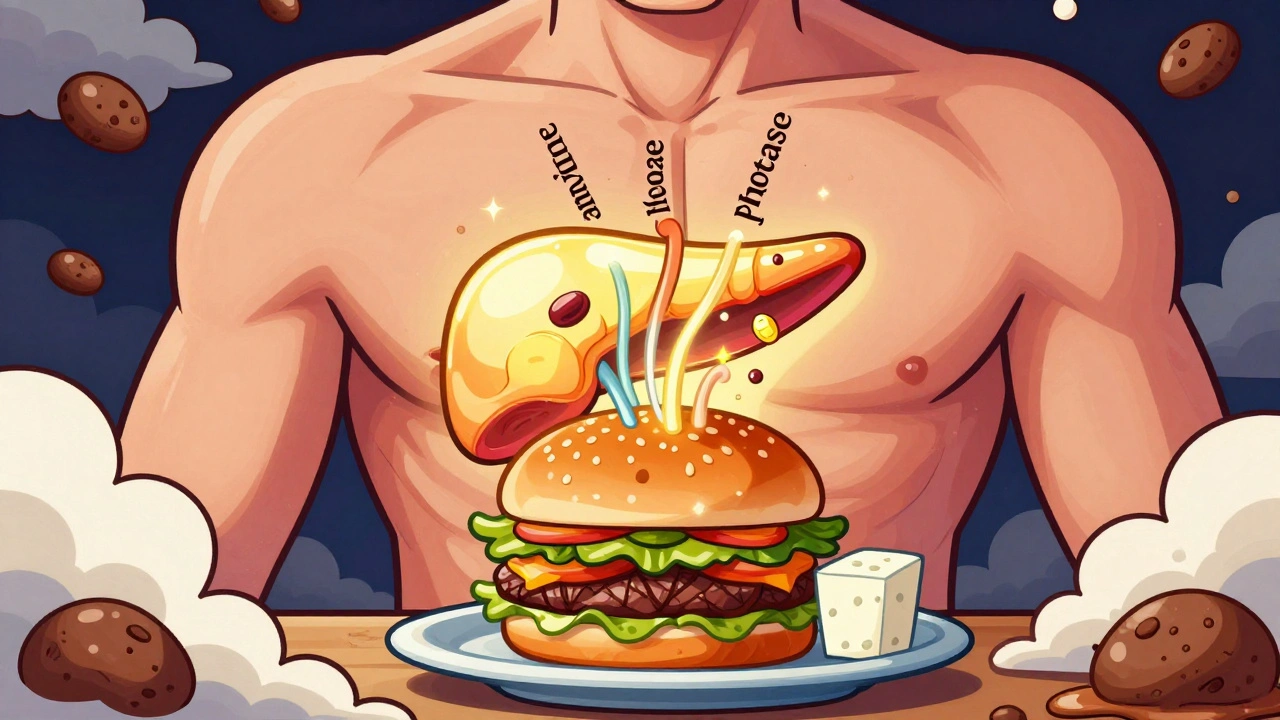
Digestive enzyme supplements may help with specific conditions like EPI or lactose intolerance, but often don't work for general bloating or IBS. Learn when they're effective, which types to choose, and when to skip them entirely.
View More