Generic Drug Contamination: What You Need to Know About Unsafe Medications
When you pick up a generic drug, a lower-cost version of a brand-name medicine that must meet the same FDA standards for safety and effectiveness. Also known as generic medication, it works the same way as the brand version—but not all are made the same. The problem? Some generic drug contamination has slipped through the cracks, turning everyday pills into hidden threats. This isn’t science fiction. In 2018, the FDA found cancer-causing nitrosamines in common blood pressure meds like valsartan. In 2020, contaminated heparin led to deadly allergic reactions. These aren’t rare flukes—they’re symptoms of a broken supply chain.
Where does this contamination come from? Mostly from overseas manufacturing sites where quality control is weak or ignored. Raw ingredients might be mixed with impurities, or factories might reuse equipment without proper cleaning. Even something as simple as a dirty filter or a worker not wearing gloves can introduce bacteria or heavy metals into a batch. The drug purity, the degree to which a pharmaceutical product contains only the intended active ingredient without harmful additives or byproducts. is supposed to be monitored—but audits are often brief, and inspections happen months apart. Meanwhile, contaminated generics, generic medications found to contain unintended substances like toxins, microbes, or incorrect dosages. keep moving through distribution networks, often labeled as "USP-grade" or "FDA-approved," giving patients false confidence.
It’s not just about pills. Injectable drugs, eye drops, and even topical creams have been recalled for fungal contamination, glass particles, or wrong chemicals. One 2022 recall involved a generic asthma inhaler with a metal fragment inside the nozzle. Another found a diabetes medication laced with a toxic solvent used in industrial cleaners. These aren’t outliers—they’re signals. If you’re taking a generic version of a drug you’ve used for years and suddenly feel worse, dizzy, or nauseous, it might not be your body changing—it might be the medicine changing.
Who’s most at risk? Older adults on multiple meds, people with chronic conditions like heart disease or diabetes, and those buying from unverified online pharmacies. But even if you get your pills from a local pharmacy, you can’t assume safety. The same contaminated batch can be shipped to dozens of states. The only way to know for sure? Watch for recalls. Sign up for FDA alerts. Check the manufacturer name on the bottle—not just the brand. And if you’re switching from one generic to another, pay attention to how you feel. A sudden change in side effects could mean a new source.
Below, you’ll find real-world examples of how contamination shows up in common meds—from blood pressure pills to thyroid drugs to antibiotics. We break down which ones have been flagged, what to look for, and how to protect yourself without overpaying or skipping treatment. This isn’t about fear. It’s about awareness. You deserve medicine you can trust.
Contamination Issues in Generic Drugs: Recent Cases and How to Prevent Them
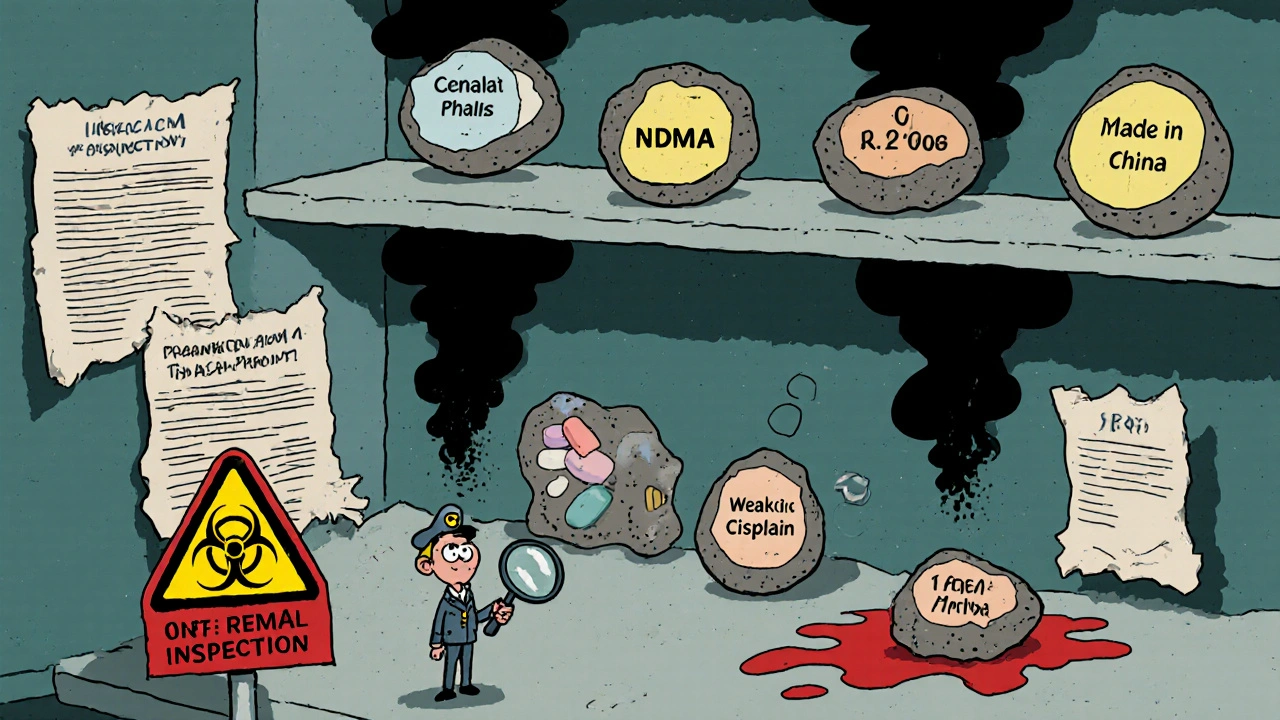
Recent cases show dangerous contaminants like NDMA and benzene in generic drugs, raising serious safety concerns. Learn what’s being recalled, who’s at risk, and how to protect yourself.
View MorePopular Posts