Enzyme Supplements: What They Do, Who Needs Them, and What Really Works
When your body doesn’t make enough enzyme supplements, biological catalysts that break down food into absorbable nutrients. Also known as digestive enzymes, they help turn carbs, proteins, and fats into energy and building blocks your body can use. Most people don’t need them—your pancreas makes plenty. But if you have pancreatitis, cystic fibrosis, or have had gastric surgery, your enzyme production drops. That’s when supplements can make a real difference.
Not all enzyme supplements are the same. Some target digestive enzymes, proteases, lipases, and amylases that break down protein, fat, and carbs. Others include enzyme therapy, a broader approach sometimes used for inflammation or immune support, though evidence is limited. The key is matching the enzyme type to your need. Lactase helps with dairy. Bromelain from pineapple aids protein digestion. Amylase tackles starchy foods. If you’re taking them for bloating or gas after meals, you’re likely trying to fix a mismatch between what you eat and what your body can process.
Here’s the catch: supplement interactions, how enzyme products react with prescription drugs or other supplements aren’t well tracked. Some enzyme blends include herbs or additives that can interfere with blood thinners, thyroid meds, or diabetes drugs. A 2023 study in the Journal of Clinical Gastroenterology found that 1 in 5 people using enzyme supplements were also on at least one medication with a known interaction—yet only 12% told their doctor. That’s risky. If you’re on any regular meds, don’t just grab a bottle off the shelf.
And don’t assume natural means safe. Many enzyme supplements are sold as "natural" or "plant-based," but that doesn’t mean they’re regulated like drugs. The FDA doesn’t require proof of effectiveness before they hit shelves. What’s in the bottle might not match the label. Look for third-party testing seals—USP, NSF, or ConsumerLab—on the packaging. These mean someone outside the company checked the ingredients and potency.
Enzyme deficiency isn’t always obvious. You might think you have IBS, but it’s really low lipase from chronic pancreatitis. Or you feel sluggish after eating, but it’s not sugar—it’s poor protein digestion. If you’ve tried cutting out foods and still feel off, enzyme testing (via stool sample) can show if your body’s output is low. It’s not routine, but it’s worth asking your doctor if standard treatments aren’t working.
Enzyme supplements won’t fix a poor diet. They won’t cure leaky gut, reverse autoimmune disease, or make you lose weight. But for the right person—with the right condition—they’re a simple, low-risk tool that can improve digestion, reduce discomfort, and help you actually absorb the nutrients from your food. That’s not magic. That’s biology.
Below, you’ll find real-world advice on how enzyme supplements interact with medications, who should avoid them, what brands actually deliver what they promise, and how to tell if they’re helping—or just wasting your money.
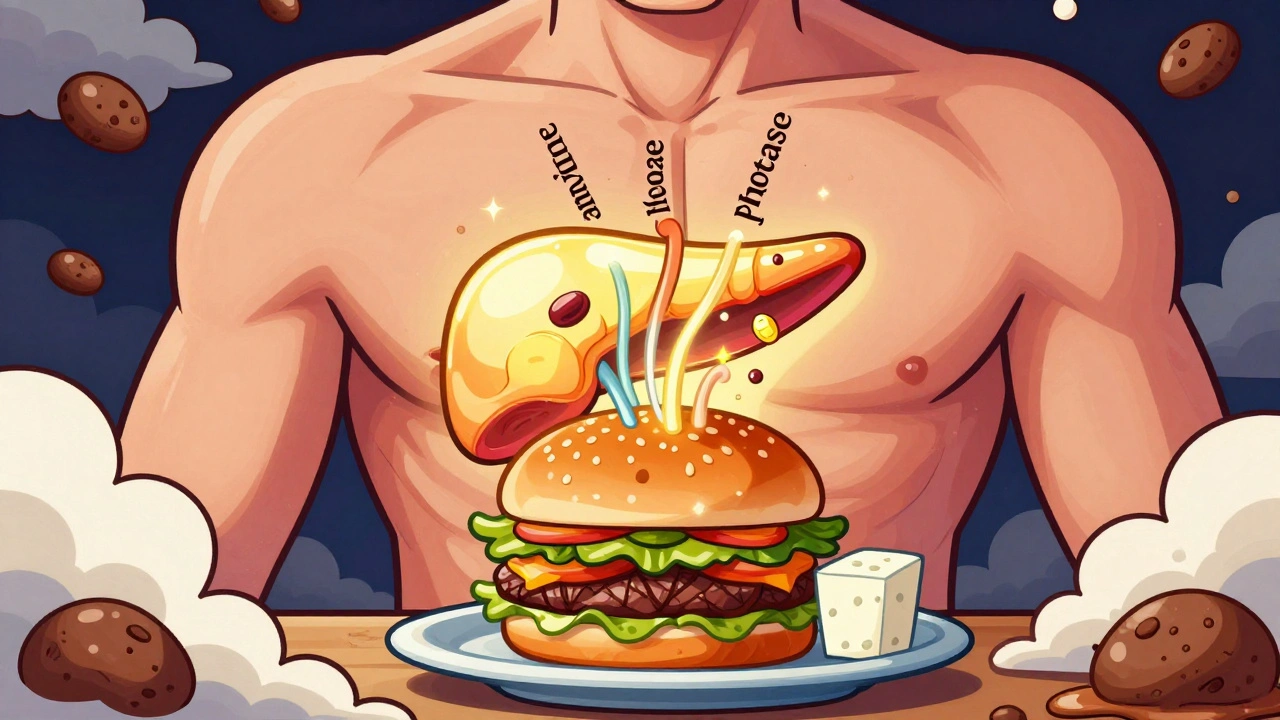
Digestive Enzymes: When Supplements May Help GI Symptoms
Digestive enzyme supplements may help with specific conditions like EPI or lactose intolerance, but often don't work for general bloating or IBS. Learn when they're effective, which types to choose, and when to skip them entirely.
View More