Drug Shortages: What Causes Them and How to Stay Prepared
When a drug shortage, a period when a medication isn’t available in sufficient quantities to meet patient demand. Also known as medication supply crisis, it can delay treatment, force risky switches, or leave people without essential drugs. This isn’t just a hospital problem—it hits people managing chronic conditions, parents of kids with asthma, and anyone on a daily pill. The pharmaceutical supply chain, the network of manufacturers, distributors, and regulators that gets drugs from factory to pharmacy is fragile. One factory shutdown, a raw material shortage, or a quality control failure can ripple across the country. The generic drugs, lower-cost versions of brand-name medications that make up over 90% of prescriptions are especially vulnerable. They’re made by fewer companies, often overseas, with thinner profit margins. When one plant goes offline, there’s no backup.
Why do these shortages keep happening? It’s not random. Many generic drugs are made in just one or two facilities. If a factory in India or China gets flagged by the FDA for contamination—like those recent cases with NDMA or benzene—the whole supply can freeze. Even small things like a power outage or a delayed shipment of active ingredients can cause a domino effect. The drug availability, how easily a medication can be obtained by patients when needed isn’t just about demand—it’s about how many suppliers exist and how much wiggle room they have. When a drug has only one manufacturer, and that manufacturer can’t meet demand, patients pay the price. This isn’t theoretical. People on levothyroxine, heart meds, antibiotics, and even simple pain relievers have been left without their prescriptions.
What can you do? First, know which of your meds are most at risk. Drugs with a narrow therapeutic index—like warfarin, levothyroxine, or phenytoin—are especially sensitive to switching brands. If you’re on one, keep a medication journal and talk to your pharmacist before any switch. Second, don’t wait until your last pill to refill. Set reminders. Ask your pharmacy if they have a backup supplier or can order ahead. Third, know your rights. Federal law requires pharmacies to offer alternatives or help you find another source. If your doctor prescribes a drug that’s out of stock, they can often suggest a therapeutic alternative—like switching from one beta-blocker to another, or using a different antifungal when voriconazole is unavailable. You’re not powerless. The system is broken, but you can still navigate it.
Below, you’ll find real stories and practical guides from people who’ve dealt with these gaps in care. From how to spot dangerous substitutions in generic heart meds to what to do when your asthma inhaler disappears, these posts give you the tools to stay safe when the system lets you down. This isn’t about fear—it’s about being ready.
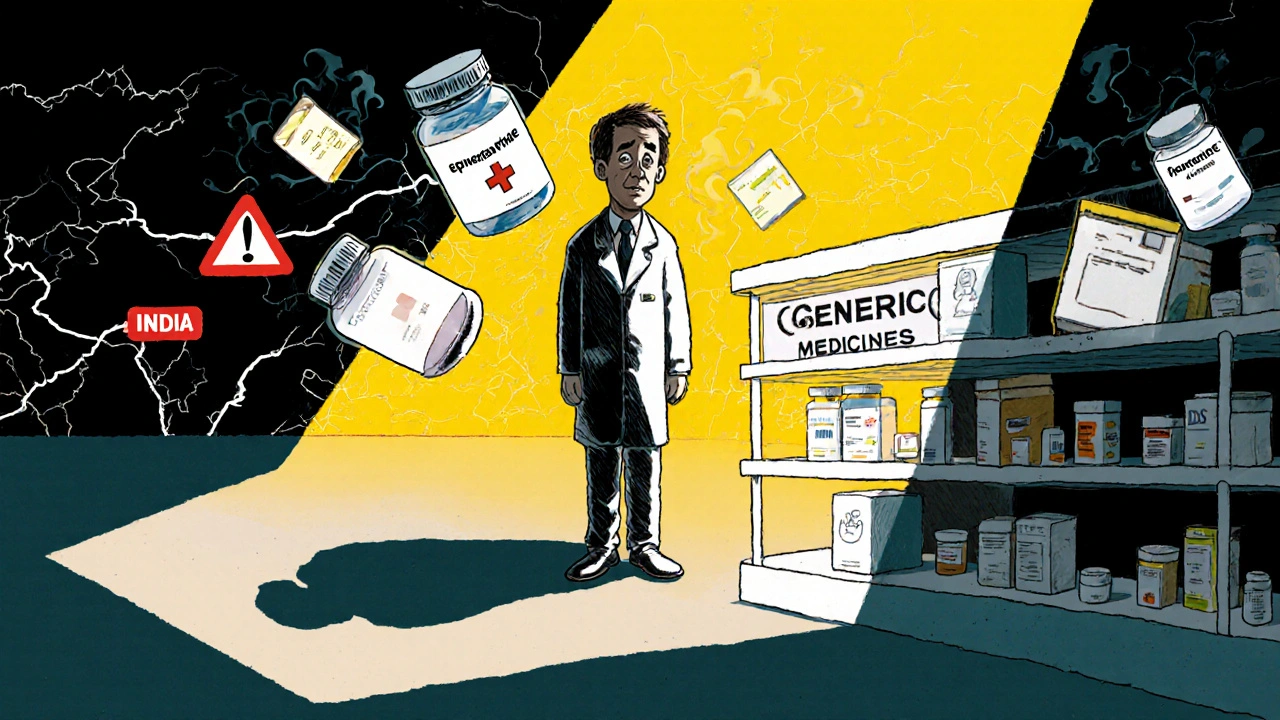
Pricing Pressure and Shortages: How Drug Manufacturers Are Struggling in 2025
Drug manufacturers are facing financial strain from rising raw material costs, tariffs, and supply chain disruptions, leading to widespread shortages of generic medications in 2025. Patients and providers are feeling the impact as profits shrink and production drops.
View More