DILI: Understanding Drug-Induced Liver Injury and How to Stay Safe
When your liver gets hurt because of a medicine you’re taking, that’s called DILI, Drug-Induced Liver Injury, a condition where medications or supplements cause damage to liver cells. Also known as drug-induced hepatotoxicity, it’s not rare—it’s one of the leading causes of acute liver failure in the U.S., and many people don’t realize they’re at risk until it’s too late. Unlike hepatitis or alcohol-related damage, DILI can happen with common pills you pick up at the pharmacy—antibiotics, painkillers, even herbal supplements you think are harmless.
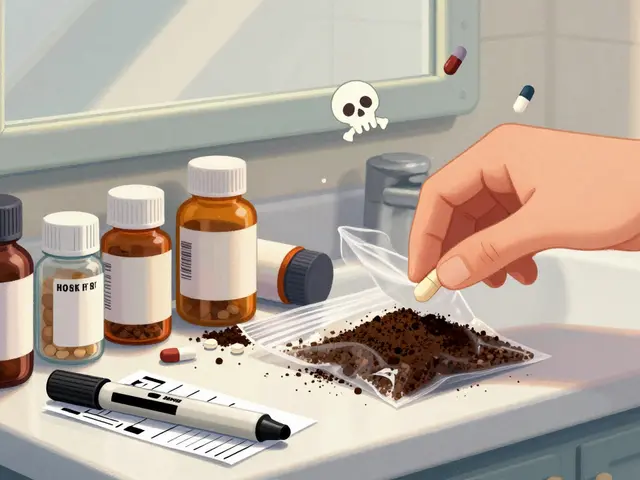
It’s not just about taking too much. Sometimes, your body just reacts badly to a drug you’ve taken for months. Acetaminophen, the active ingredient in Tylenol and many cold medicines, is the most common cause of DILI in the U.S. But other culprits include paracetamol, certain antibiotics like amoxicillin-clavulanate, and even statins or antiseizure meds like valproate. Drug interactions, when two or more medications affect how your liver processes them, can turn a safe dose into a dangerous one. For example, mixing alcohol with acetaminophen, or grapefruit with certain cholesterol drugs, can overload your liver’s ability to detoxify. And here’s the scary part: you might feel fine. No nausea, no jaundice—just a quiet rise in liver enzymes on a routine blood test.
Some people are more vulnerable—older adults, those with existing liver issues, or anyone taking five or more meds at once. Women are also more likely to develop DILI from certain drugs. The key is catching it early. If you start feeling unusually tired, your skin or eyes turn yellow, your urine gets dark, or you have unexplained itching, don’t wait. Talk to your doctor. Keep a log of every pill you take—even the ones you think don’t matter. Many cases of DILI are preventable if you track your meds and know what to watch for.
The posts below cover real-world cases, warning signs, and practical steps to protect your liver while taking necessary medications. You’ll find guides on reading drug labels, spotting hidden interactions, tracking side effects, and understanding why some generics behave differently than brand names. Whether you’re managing chronic pain, heart disease, or mental health meds, this collection gives you the tools to spot trouble before it hits your liver.
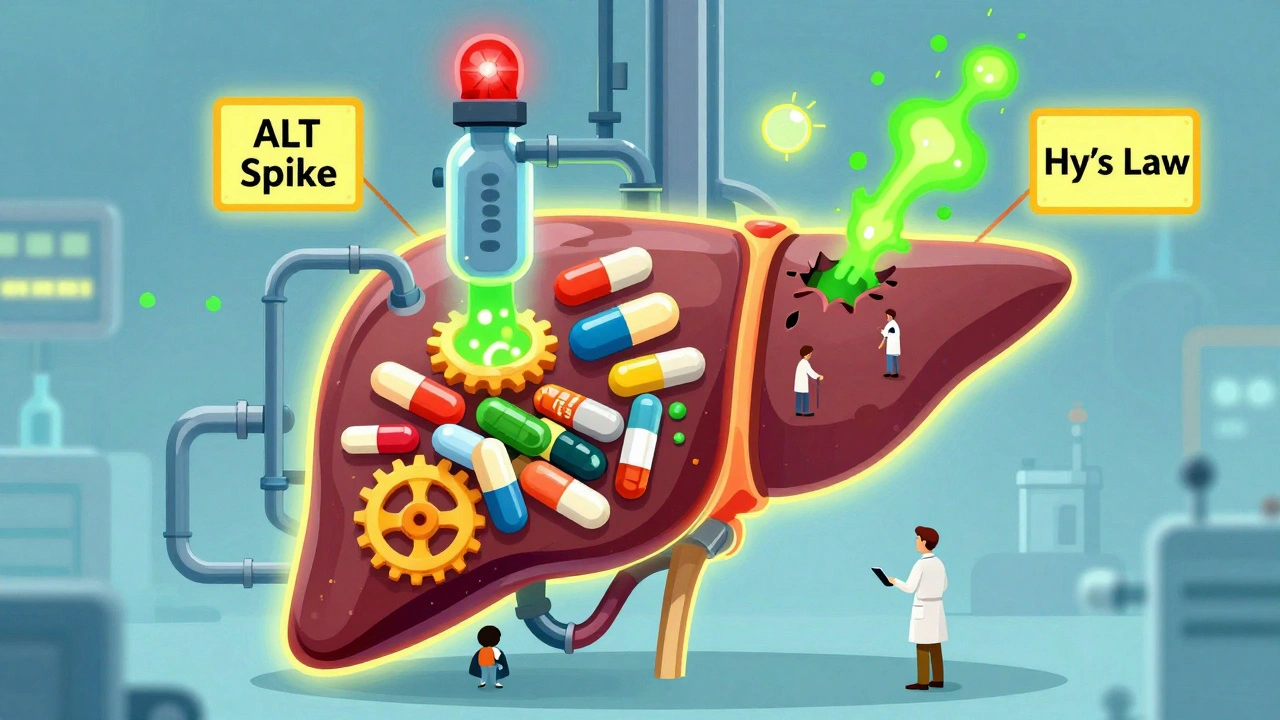
Drug-Induced Liver Injury: High-Risk Medications and How to Monitor Them
Drug-induced liver injury can be caused by common medications and supplements. Learn which drugs pose the highest risk, how to spot early signs, and what monitoring steps can prevent serious liver damage.
View MorePopular Posts