Digoxin and Verapamil: How They Work Together and What You Need to Know
When your heart rhythm is off, doctors sometimes turn to digoxin, a cardiac glycoside used to treat heart failure and irregular heartbeats like atrial fibrillation. It's known for strengthening heart contractions and slowing down fast heart rates. Often, it’s paired with verapamil, a calcium channel blocker that relaxes blood vessels and slows electrical signals in the heart. Also known as a rate-control drug, it helps keep the heartbeat steady. Together, they’re a common combo for managing atrial fibrillation—especially when one drug alone isn’t enough.
But here’s the catch: mixing digoxin and verapamil isn’t just adding two pills. Verapamil reduces how fast your body clears digoxin, which can cause digoxin levels to spike. That’s not just a technical detail—it’s a safety issue. Too much digoxin can lead to nausea, dizziness, blurred vision, or even dangerous heart rhythms. Studies show that when these two are used together, digoxin blood levels can rise by up to 50%. That’s why doctors start with lower doses and monitor you closely, often with simple blood tests. It’s not about avoiding the combo—it’s about using it smartly.
People on this combo usually have long-term heart conditions, not just a one-time issue. They might be older, have kidney problems, or be taking other meds that affect how their body handles these drugs. That’s why this isn’t a DIY decision. If you’re on digoxin and your doctor adds verapamil, ask about your digoxin level, what symptoms to watch for, and how often you need follow-up. It’s not just about the pills—it’s about knowing your body’s response.
What you’ll find below are real comparisons and practical guides from people who’ve been through this. You’ll see how digoxin stacks up against other heart drugs, how verapamil compares to similar calcium blockers, and what side effects others actually experienced. Some posts dive into what happens when these drugs mix with common supplements. Others break down how kidney function changes the game. This isn’t theory—it’s what patients and doctors deal with every day. Whether you’re just starting this combo or have been on it for years, these insights will help you ask the right questions and stay in control.
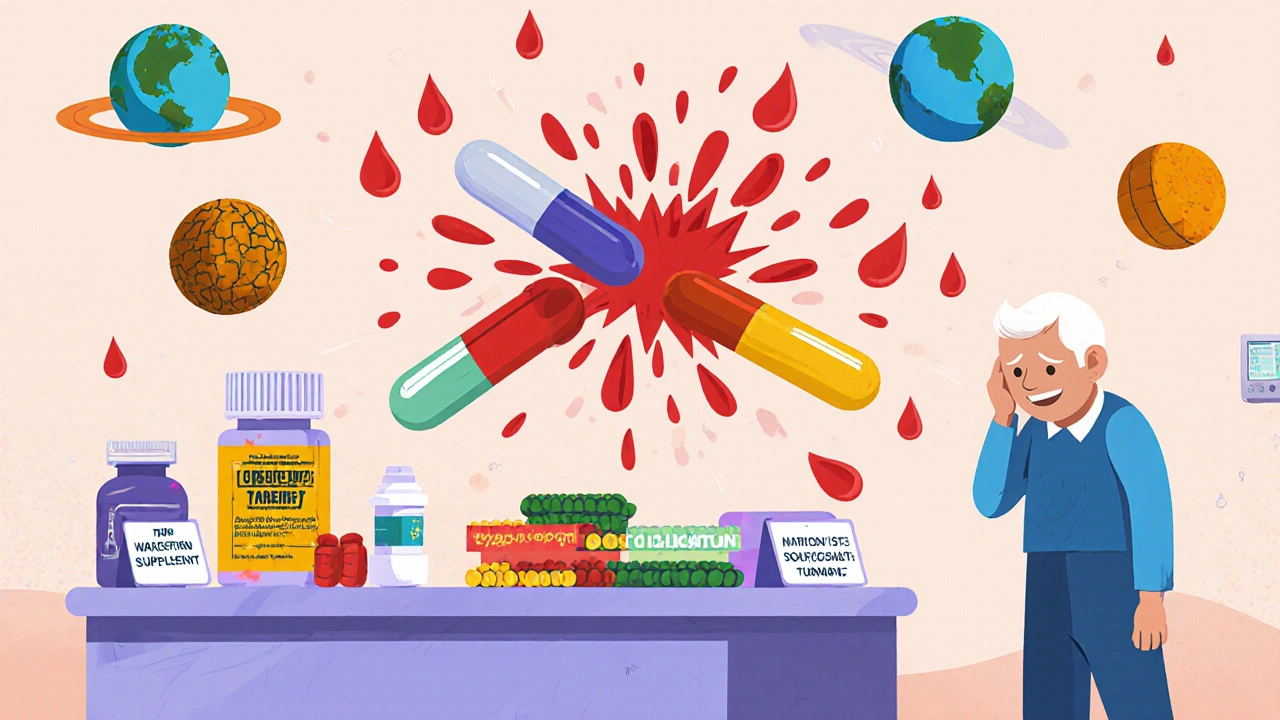
Heart Medications and Their Dangerous Combinations: What to Avoid
Heart medications can save lives-but dangerous combinations with NSAIDs, blood thinners, or supplements can cause bleeding, heart failure, or death. Learn the top 7 risky combos and how to stay safe.
View More