
Digestive Enzymes: What They Do, Who Needs Them, and How They Help
When you eat, your body doesn’t just absorb food—it breaks it down. That’s where digestive enzymes, special proteins that split food into absorbable nutrients like sugars, amino acids, and fatty acids. Also known as digestive aids, they’re made naturally in your pancreas, stomach, and small intestine. Without enough of them, even healthy food can sit in your gut, causing bloating, gas, or discomfort after meals.
People often think enzyme problems only affect older adults, but that’s not true. You can run low on enzymes from chronic stress, long-term use of acid blockers, or even eating processed foods that strip natural enzymes away. Some folks are born with enzyme deficiencies—like lactase deficiency, which makes dairy hard to digest. Others develop issues after gallbladder removal or pancreatic surgery. If you’ve ever felt like your body just can’t handle a steak or a bowl of beans, it might not be the food—it’s the enzymes.
Enzyme supplements are one way to help, but they’re not magic pills. The right kind depends on what you’re struggling with. Lactase, the enzyme that breaks down milk sugar is common for dairy sensitivity. Lipase, which handles fats helps if you get oily stools or greasy burps. And proteases, enzymes that digest proteins can ease discomfort after eating meat or beans. Timing matters too—take them right before or during meals, not hours later.
But supplements aren’t always the answer. Sometimes, fixing your eating habits does more than pills. Chewing slowly, reducing processed foods, and managing stress can boost your body’s own enzyme production. And if you’re on long-term acid reducers like omeprazole, you might be quietly starving your system of the enzymes it needs to work right.
What you’ll find below are real, practical guides on how digestive enzymes interact with antibiotics, how they affect gut health during medication use, and what to watch for when switching to generics that might change how your body handles food. You’ll see what works for people who’ve tried everything, and what doesn’t. No fluff. Just what helps—and what doesn’t.
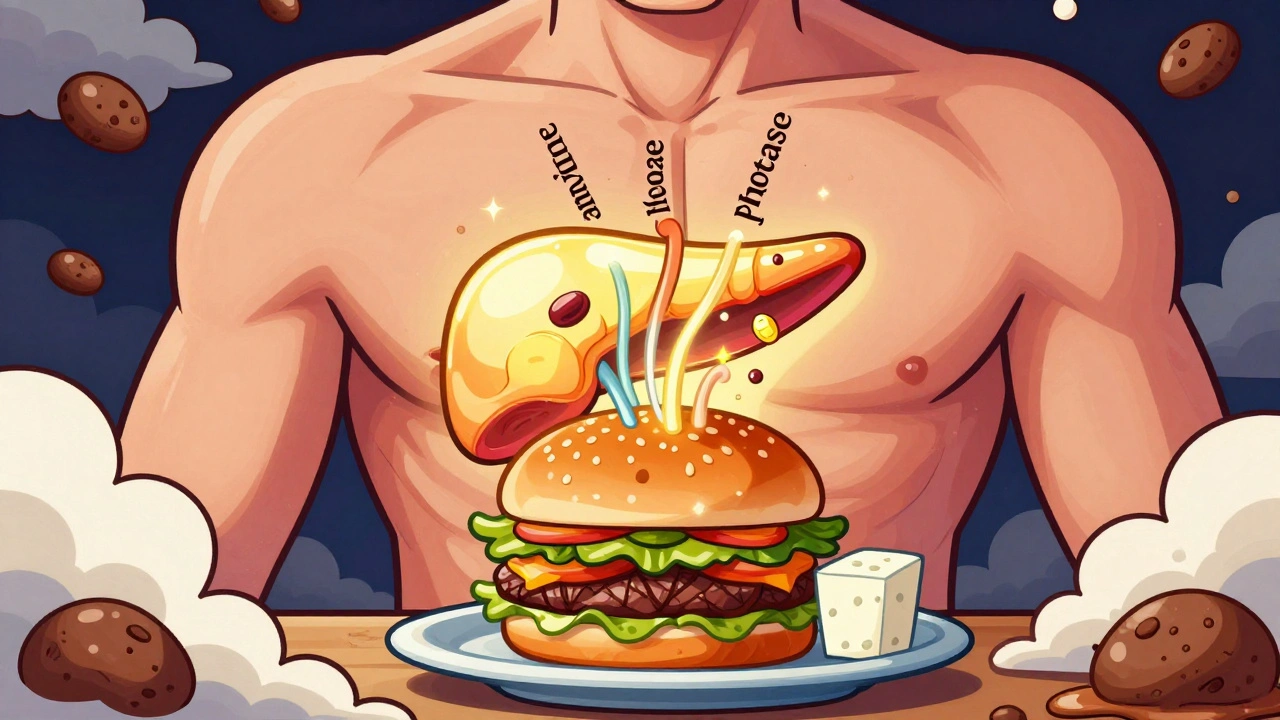
Digestive Enzymes: When Supplements May Help GI Symptoms
Digestive enzyme supplements may help with specific conditions like EPI or lactose intolerance, but often don't work for general bloating or IBS. Learn when they're effective, which types to choose, and when to skip them entirely.
View MorePopular Posts


How Exercise Improves ADHD Symptoms
1 Oct 2025