Copay Cards: How They Lower Out-of-Pocket Costs for Prescriptions
When you pick up a prescription, copay cards, discount vouchers offered by drug manufacturers to reduce what patients pay at the pharmacy. Also known as patient assistance cards, they’re not insurance—they’re direct savings from the company that makes your medicine. If you’re paying $50 or more out of pocket for a brand-name drug, a copay card could cut that to $5 or $10. They’re common for medications used to treat chronic conditions like diabetes, high cholesterol, depression, and autoimmune diseases.
These cards work by covering part of your cost after your insurance pays its share. For example, if your plan requires a $40 copay for a drug, the card might pay $35 of it, leaving you with just $5. But they’re not always available—only for brand-name drugs, not generics—and only if your insurance doesn’t already cover the full cost. Some cards won’t work with Medicare Part D or Medicaid, so check the fine print. They’re also not a one-time use: most are valid for a full year, as long as you refill your prescription.
Related tools like pharmacy assistance programs, free or low-cost medication programs run by manufacturers for people with low income can help if you don’t have insurance at all. And medication affordability, the broader challenge of keeping prescription costs manageable is why these cards exist—to keep people on their meds without skipping doses because of price. But they’re not magic. You still need to know which drugs they cover, how to sign up, and when they expire.
Many of the posts here cover the hidden costs and risks of taking meds long-term—from drug interactions and liver damage to switching between generics and brand names. Copay cards can make those meds easier to stick with, but they’re just one piece of the puzzle. Below, you’ll find real advice on how to track your meds, avoid dangerous side effects, and understand what your insurance really covers. Whether you’re managing a chronic condition or just trying to stretch your budget, these posts give you the tools to take control.
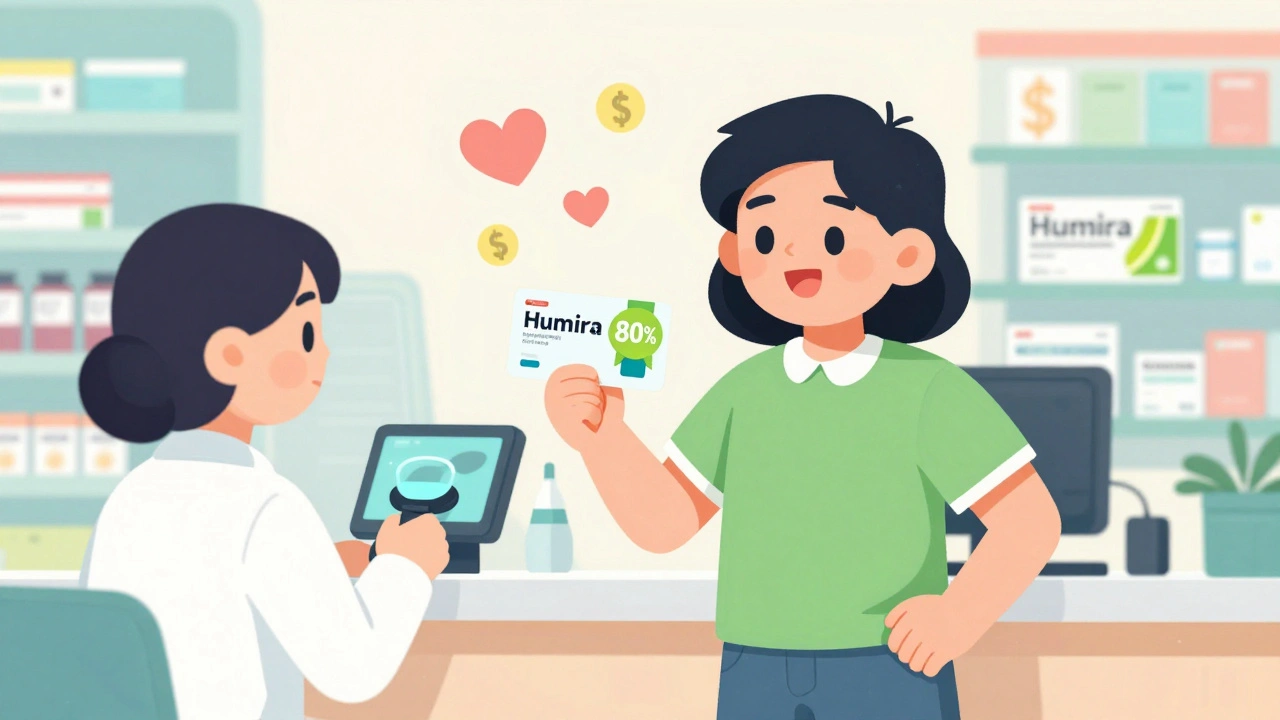
How to Use Manufacturer Savings Programs for Brand Drugs to Lower Prescription Costs
Learn how to use manufacturer savings programs to cut your brand drug costs by up to 85%. Find out who qualifies, how to enroll, and what pitfalls to avoid with copay cards and patient assistance programs.
View More