
Cellulitis: Causes, Treatments, and What You Need to Know
When your skin gets red, swollen, warm, and painful—not from a cut you can see but from something deeper—it’s often cellulitis, a bacterial infection of the deeper layers of skin and underlying tissue. Also known as bacterial skin infection, it doesn’t wait for permission to spread. Left untreated, it can move into your bloodstream and become life-threatening. This isn’t just a rash. It’s an invasion. And it happens faster than most people realize.
Most cases start with Streptococcus or Staphylococcus, common bacteria that live harmlessly on skin but slip in through breaks like cuts, insect bites, or even dry, cracked skin. You don’t need a big wound. A tiny scratch, a blister from shoes, or eczema that’s been scratched raw can be enough. People with diabetes, poor circulation, or weakened immune systems are at higher risk—but anyone can get it. And it doesn’t care if you’re healthy or not.
What makes cellulitis dangerous isn’t just the redness. It’s how fast it moves. One day you have a small patch of warmth; the next, it’s spreading up your leg. Fever, chills, and swollen lymph nodes mean it’s getting worse. That’s why antibiotic treatment, the standard and most effective way to stop cellulitis from spreading needs to start fast. Oral antibiotics like cephalexin or dicloxacillin work for mild cases. But if you’re sick, have diabetes, or the infection is spreading fast, you’ll need IV antibiotics in the hospital. No home remedies fix this. No essential oils. No tea tree oil. Just science-backed antibiotics—and time.
And here’s the thing most people miss: cellulitis can come back. If your skin stays dry, cracked, or swollen from lymphedema or venous issues, you’re at risk again. That’s why prevention matters as much as treatment. Moisturize daily. Treat athlete’s foot. Keep cuts clean. Wear proper footwear. If you’ve had it once, your doctor might put you on low-dose antibiotics long-term to prevent another flare.
The posts below cover real-world details you won’t find in brochures: how antibiotics like voriconazole are used in rare cases, why some people react badly to certain drugs, how drug interactions can make things worse, and what to do when your infection doesn’t improve. You’ll find practical advice on managing side effects, recognizing warning signs, and knowing when to push for more help. This isn’t theory. It’s what works—or doesn’t—when your skin is on fire and you need answers fast.
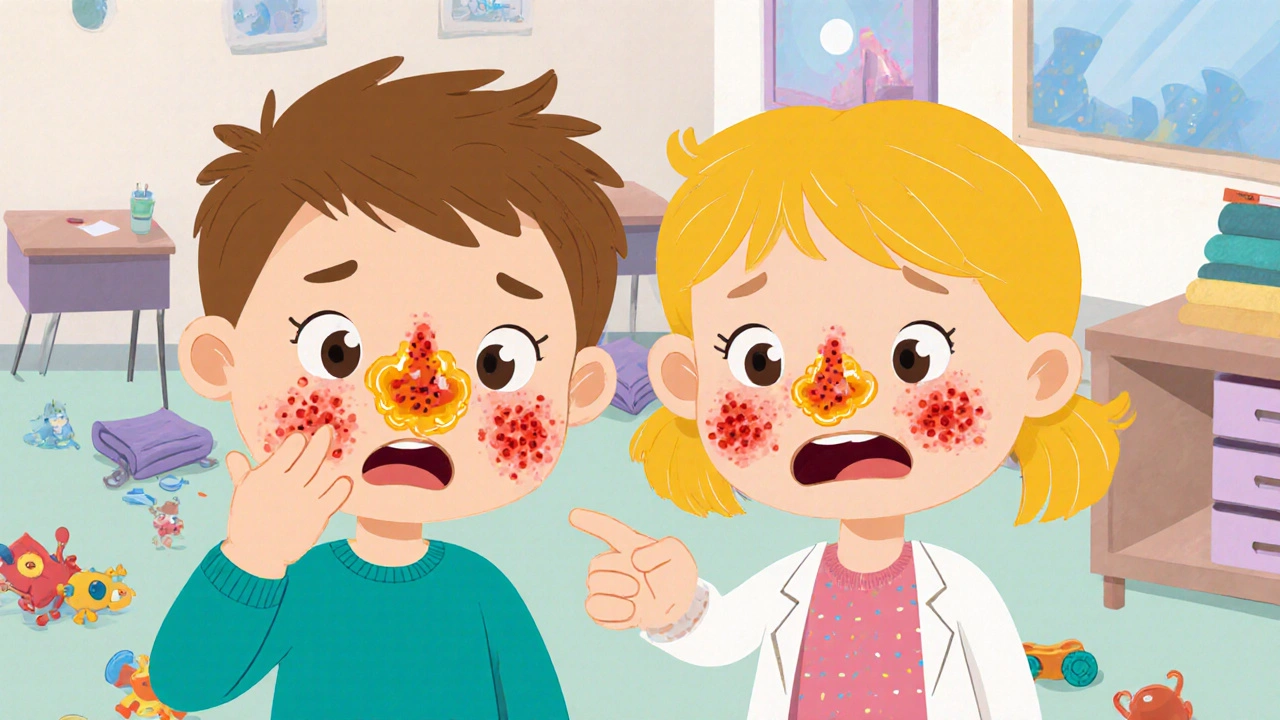
Impetigo and Cellulitis: How to Tell Them Apart and Choose the Right Antibiotic
Impetigo and cellulitis are common bacterial skin infections with different symptoms and treatments. Learn how to tell them apart, which antibiotics work best, and when to seek urgent care.
View More