Antidepressant Side Effects: What You Need to Know Before Starting or Switching
When you start an antidepressant, a medication used to treat depression, anxiety, and other mood disorders by altering brain chemistry. Also known as antidepressive agents, these drugs can change how you feel—but they also change how your body works. Not everyone gets side effects, but if you do, they’re not always obvious. Some show up in days. Others creep in over weeks. And a few? They’re silent until something bad happens.
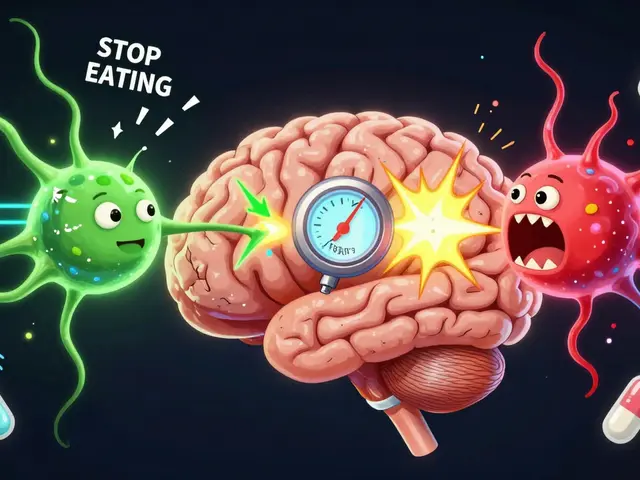
Take SSRIs, a common class of antidepressants that increase serotonin levels in the brain. Also known as selective serotonin reuptake inhibitors, they’re often the first choice because they’re generally well-tolerated. But here’s what most people don’t tell you: SSRIs can mess with your blood’s ability to clot. That’s because serotonin isn’t just in your brain—it’s in your platelets too. When the drug pulls serotonin out of your brain, it also drains it from your platelets. That makes them less sticky. And less sticky platelets mean a higher risk of bleeding—even from small cuts or bruising. Paroxetine carries the highest risk. Sertraline? Safer. But you won’t know unless you’re watching for signs: nosebleeds, unusual bruising, blood in stool, or heavier periods.
Then there’s the drug interaction, when one medication changes how another works in your body. Also known as medication clash, this isn’t just about grapefruit and blood pressure pills. Antidepressants often mix with painkillers, blood thinners, even herbal supplements. A common combo? Taking an SSRI with ibuprofen. Sounds harmless, right? But together, they can double your bleeding risk. Or take an SSRI with St. John’s Wort—another natural mood booster. That’s a recipe for serotonin syndrome, a rare but dangerous spike in serotonin that can cause seizures, high fever, or even death.
And it’s not just about what you take. It’s about what you’re already living with. If you have heart disease, liver problems, or a history of bleeding disorders, your body handles these drugs differently. Switching from one antidepressant to another—even if it’s the same class—can trigger new side effects. That’s why keeping a journal matters. Write down when you feel dizzy, nauseous, or unusually tired. Note changes in sleep, appetite, or mood. Bring it to your doctor. Don’t wait until something serious happens.
You’re not alone in this. Thousands of people manage antidepressants without major issues. But too many assume side effects are just "part of the process" and push through. They shouldn’t. Some side effects are normal. Others are red flags. And knowing the difference? That’s what keeps you safe.
Below, you’ll find real, practical guides from people who’ve been there—how to talk to your doctor without feeling judged, how to track your body’s response to generics, what foods to avoid, and which antidepressants carry the quietest but deadliest risks. No fluff. Just what you need to know to make smarter choices.

Bupropion vs SSRIs: Side Effects Compared for Real-World Use
Bupropion and SSRIs work similarly for depression, but their side effects are very different. Bupropion is less likely to cause weight gain or sexual problems but can trigger anxiety or seizures. SSRIs help anxiety but often reduce libido and cause weight gain.
View More