Black Box Warning: STEPS Decision Tool
Based on the American Academy of Family Physicians (AAFP) recommendation, this tool helps you structure a conversation with your doctor about a medication carrying a serious safety alert.
1. Safety
Assess specific risks outlined in the box.
2. Tolerability
Can the patient handle potential side effects?
3. Effectiveness
Is this drug truly the best option?
4. Price
Are there cheaper, safer alternatives?
5. Simplicity
Does dosing add unnecessary complexity?
Completion Score: 0%
Analysis Complete
Have you ever picked up a prescription and noticed a stark, black-bordered box near the top of the information leaflet? That isn't just design flair. It is a black box warning, which is the most serious type of safety alert mandated by the U.S. Food and Drug Administration (FDA). This specific label format signals that the medication carries a significant risk of death or serious injury. For patients and healthcare providers alike, understanding what this means is crucial for making informed decisions about treatment.
What Exactly Is a Black Box Warning?
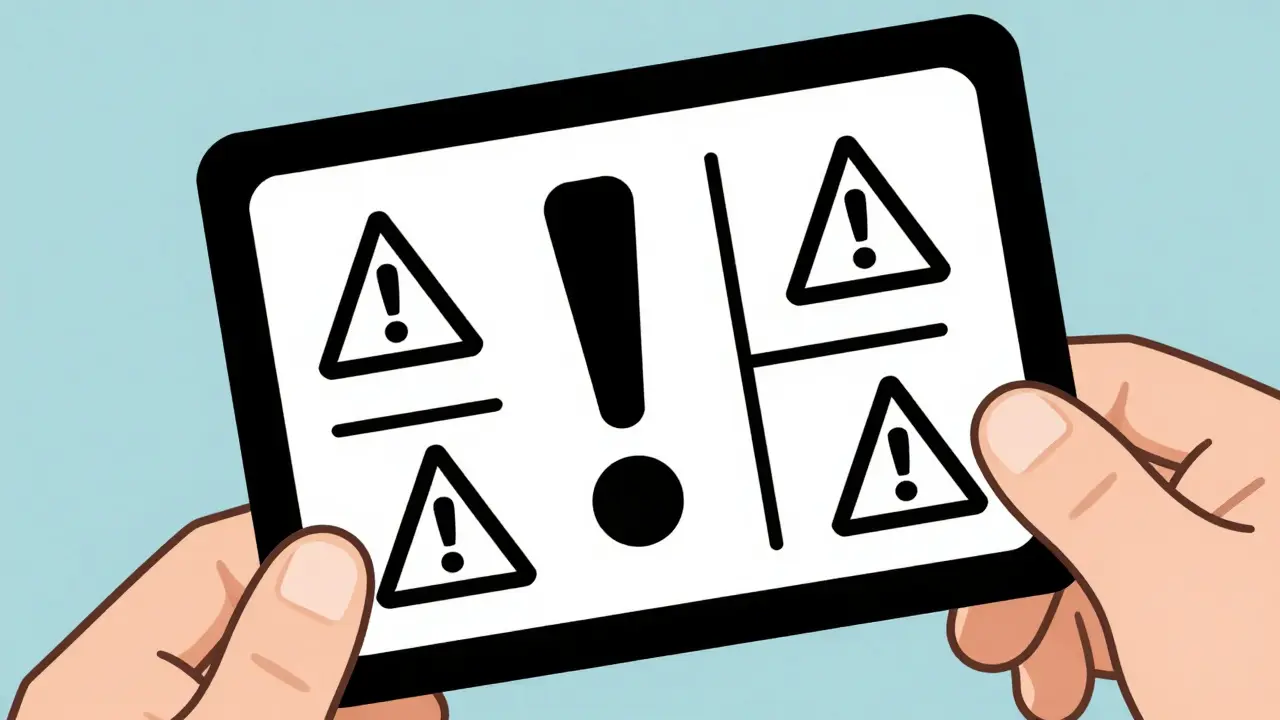
A boxed warning appears in a distinctive black border at the beginning of a drug's package insert, promotional materials, and sometimes on the bottle itself. The U.S. Food and Drug Administration (FDA), which is the federal agency responsible for protecting public health through regulation of food, drugs, and medical devices, uses this visual cue to demand immediate attention. Unlike standard warnings that might list mild side effects like drowsiness or nausea, a black box warning highlights risks that are life-threatening or permanent.
The concept originated from the Kefauver-Harris Amendments of 1962, which required proof of efficacy and safety before drug approval. However, the specific black box format evolved later through regulatory guidance to ensure these critical messages weren't overlooked in dense medical literature. Today, over 400 medications carry these warnings. They serve as a final checkpoint, ensuring that prescribers carefully weigh the benefits against the severe potential downsides before writing a prescription.
Why Does the FDA Issue These Warnings?
The FDA doesn't slap a black box on every risky drug. The decision process is rigorous and data-driven. Typically, the agency considers three specific situations before issuing such a strong alert:
- Severity of Risk: The risk is so serious that it must be considered during prescribing. In some cases, the danger might outweigh the benefits for certain patient populations.
- Mitigation Potential: Serious side effects could be lessened through appropriate use. This includes strict monitoring protocols or avoiding specific drug interactions.
- Restrictions Required: Specific restrictions must be applied to ensure safe use. This might involve special training for prescribers or limiting use to specific hospital settings.
Most black box warnings are added after a drug has already entered the market. While clinical trials test thousands of participants, they cannot catch every rare adverse event. Once millions of people start taking a new medication, rarer but more dangerous side effects may emerge. The FDA monitors this through the FDA Adverse Event Reporting System (FAERS), which is a database used to track and analyze reports of adverse events and medication errors. When patterns emerge indicating a clear, significant risk, the FDA mandates a label change, often resulting in a boxed warning.
How Do Black Box Warnings Compare to Other Alerts?
Not all safety communications are created equal. To understand the weight of a black box warning, it helps to compare it with other FDA safety tools.
| Warning Type | Visual Format | Severity Level | Typical Trigger |
|---|---|---|---|
| Boxed Warning | Black border around text | Highest (Life-threatening) | Risk of death or serious injury |
| Warnings & Precautions | Bold header, no border | High (Serious harm) | Potential for serious adverse events |
| Drug Safety Communication | FDA press release/email | Variable | Newly identified safety signal |
| Side Effects Section | Standard text | Low to Moderate | Common or minor reactions |
While a "Warnings and Precautions" section lists serious issues, it lacks the visual urgency of the black box. A Drug Safety Communication is an external alert sent to healthcare professionals, but it doesn't permanently alter the drug's official labeling unless followed by a label change. The black box warning is the gold standard for severity, reserved only when evidence demonstrates a clear, significant risk that requires immediate attention from prescribers.

Real-World Impact: The Rosiglitazone Case Study
Do black box warnings actually change behavior? Research suggests yes, but the impact can vary wildly depending on context. A notable example is rosiglitazone, a diabetes medication. When the FDA mandated a boxed warning regarding its link to heart attacks, usage dropped by 70%. Yet, even with this drastic decline, 3.8 million people were still affected because the drug remained prescribed for those who had no better alternatives.
In contrast, pioglitazone, another diabetes drug with similar cardiac risks, received a less prominent advisory and less media coverage. Its usage did not experience a comparable decline. This discrepancy highlights that while the warning system is powerful, its effectiveness relies on a combination of regulatory action, media exposure, and scientific publication. It also underscores that a black box warning does not mean a drug is banned; it means the risk-benefit calculation has become much more complex.
What Should Patients and Doctors Do?
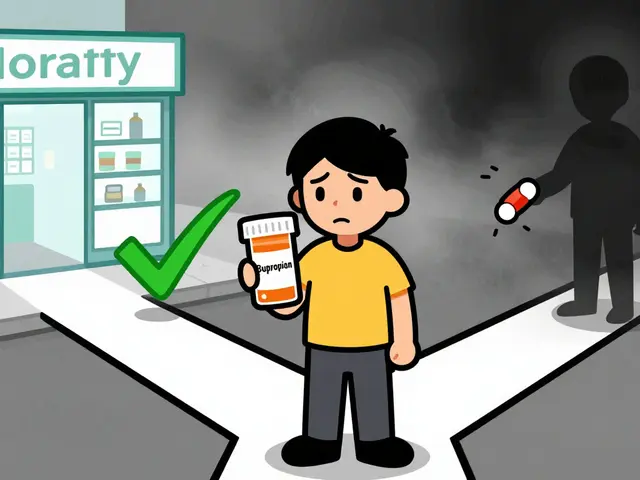
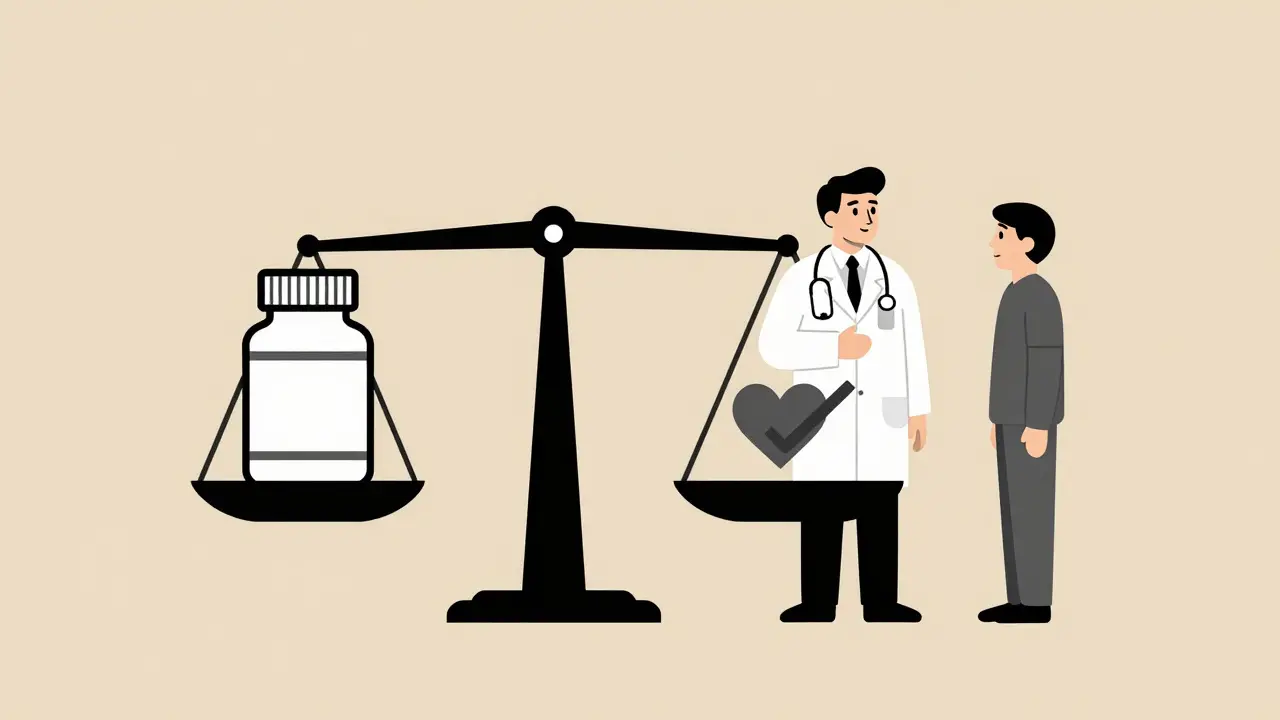
If you see a black box warning on your prescription, don't panic. It doesn't automatically mean you should stop taking the medication. Instead, it triggers a necessary conversation. Dr. Meghan Lehmann, a registered pharmacist at Cleveland Clinic, emphasizes that the risks and benefits must be carefully discussed between healthcare providers and patients.
For physicians, the American Academy of Family Physicians (AAFP) recommends using the STEPS approach when considering drugs with boxed warnings:
- Safety: Assess the specific risks outlined in the box.
- Tolerability: Can the patient handle potential side effects?
- Effectiveness: Is this drug truly the best option for their condition?
- Price: Are there cheaper, safer alternatives?
- Simplicity: Does the dosing regimen add unnecessary complexity?
Patients should ask their doctors specific questions: "What exactly is the risk?", "How will we monitor for it?", and "Are there alternative treatments without this warning?" The FDA encourages providers to use independent resources like the Drug Effectiveness Review Project to evaluate options objectively. Furthermore, if you experience any unusual symptoms, report them immediately via the FDA's MedWatch program. Your feedback contributes directly to the safety data that keeps these warnings accurate.
Common Medications with Black Box Warnings
You might encounter these warnings across various therapeutic categories. Here are a few common examples where boxed warnings play a critical role:
- Opioid Pain Relievers: Warnings highlight risks of addiction, abuse, misuse, respiratory depression, and neonatal withdrawal syndrome.
- Certain Diabetes Drugs: Some agents carry warnings for heart failure or pancreatitis.
- Psychiatric Medications: Antidepressants often include warnings about increased suicidal thoughts in children, adolescents, and young adults.
- Isotretinoin (Accutane): Known for causing severe birth defects, requiring strict enrollment in a monitoring program.
Understanding these specific contexts helps demystify the warning. For instance, the psychiatric warning isn't saying antidepressants cause suicide; it's flagging a period of heightened vulnerability during initial treatment that requires close observation.
The Future of Drug Safety Communication
The landscape of drug safety is evolving. Experts are calling for more nuanced risk communication that conveys absolute risk rather than just relative risk. Currently, many warnings focus on the presence of a hazard without always clarifying how likely it is to occur in an average patient. The FDA continues to update its guidance documents, aiming for greater transparency in how warnings are generated. Patient advocacy groups are also becoming more involved, successfully petitioning for additional warnings on specific medications when they believe risks are underreported.
As post-marketing surveillance becomes more sophisticated with big data analytics, we may see faster identification of safety signals. However, the core principle remains unchanged: the black box warning is a vital tool for preventing serious adverse events. It forces a pause, a review, and a dialogue between patient and provider, ensuring that the pursuit of health does not come at the cost of safety.
Does a black box warning mean the drug is unsafe?
No, a black box warning does not mean the drug is inherently unsafe or banned. It indicates that the medication carries a significant risk of serious or life-threatening side effects. Many patients benefit greatly from these drugs, but the risks must be carefully managed and monitored by a healthcare professional.
Can I get a black box warning removed from my prescription?
You cannot remove the warning yourself. If you are concerned about the risks, discuss them with your doctor. They may decide to switch you to an alternative medication that does not carry such a warning, or they may determine that the benefits outweigh the risks for your specific case.
How do I know if my medication has a black box warning?
Check the package insert included with your prescription. The black box warning will appear near the top, surrounded by a distinct black border. You can also search for the drug name on the FDA website or consult reliable drug information databases like DailyMed.
Why do some drugs get black box warnings after being on the market for years?
Clinical trials before approval involve limited numbers of people over short periods. Rare but serious side effects may only become apparent when millions of diverse patients use the drug long-term. The FDA monitors these post-market reports and adds warnings when new safety signals emerge.
What should I do if I experience a side effect listed in the black box?
Contact your healthcare provider immediately. Do not stop taking the medication abruptly unless instructed to do so, as this could be dangerous depending on the drug. Report the adverse event to the FDA via the MedWatch program to help improve future safety data.