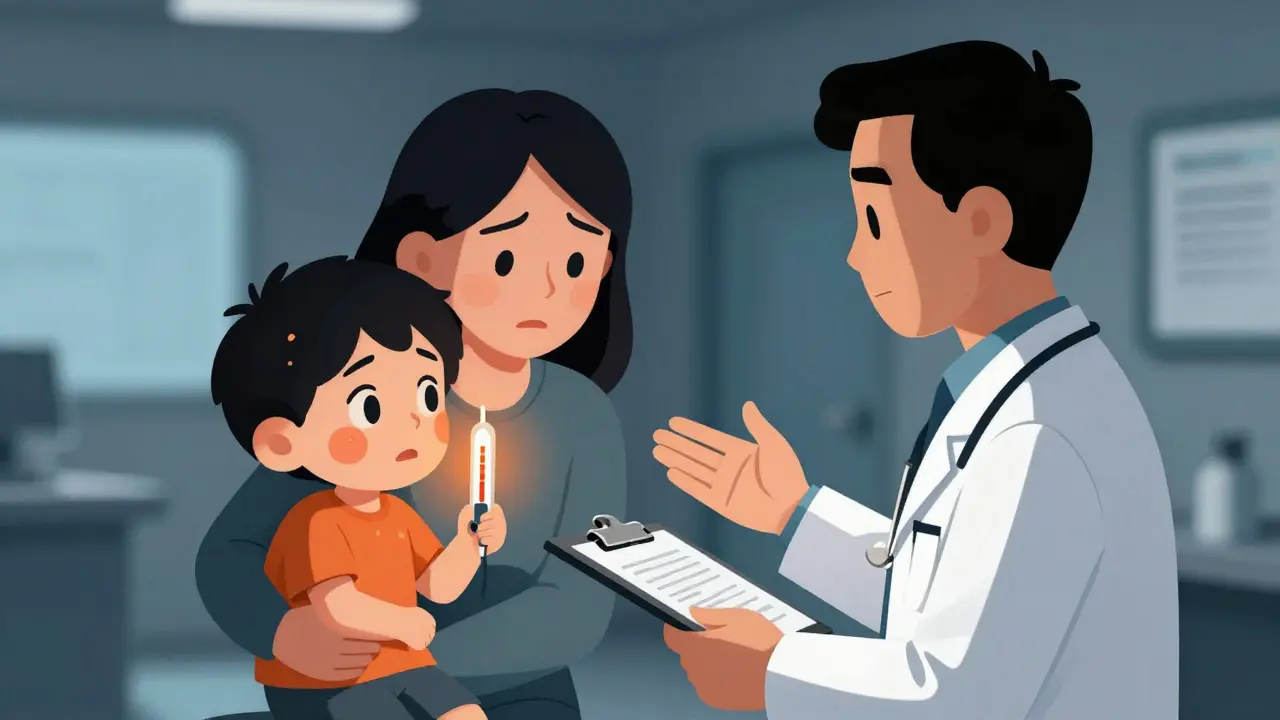
It is 2 AM. Your child has a fever of 103°F (39.4°C), is coughing, and looks miserable. You rush to the urgent care clinic, hoping for a magic pill that will fix everything by morning. The doctor examines your child, listens to their lungs, and checks their ears. Then comes the hard part: the doctor says it is likely a virus and prescribes no medication other than rest and fluids. You leave feeling frustrated, maybe even worried you did something wrong. But here is the truth-giving antibiotics is medications designed to treat bacterial infections by killing bacteria or inhibiting their growth when they are not needed does more harm than good.
This guide cuts through the confusion. We will look at exactly when antibiotics work, what happens when they don't, how to spot a true allergy versus a common side effect, and why finishing the full course matters more than you think.
The Core Rule: Bacteria vs. Viruses
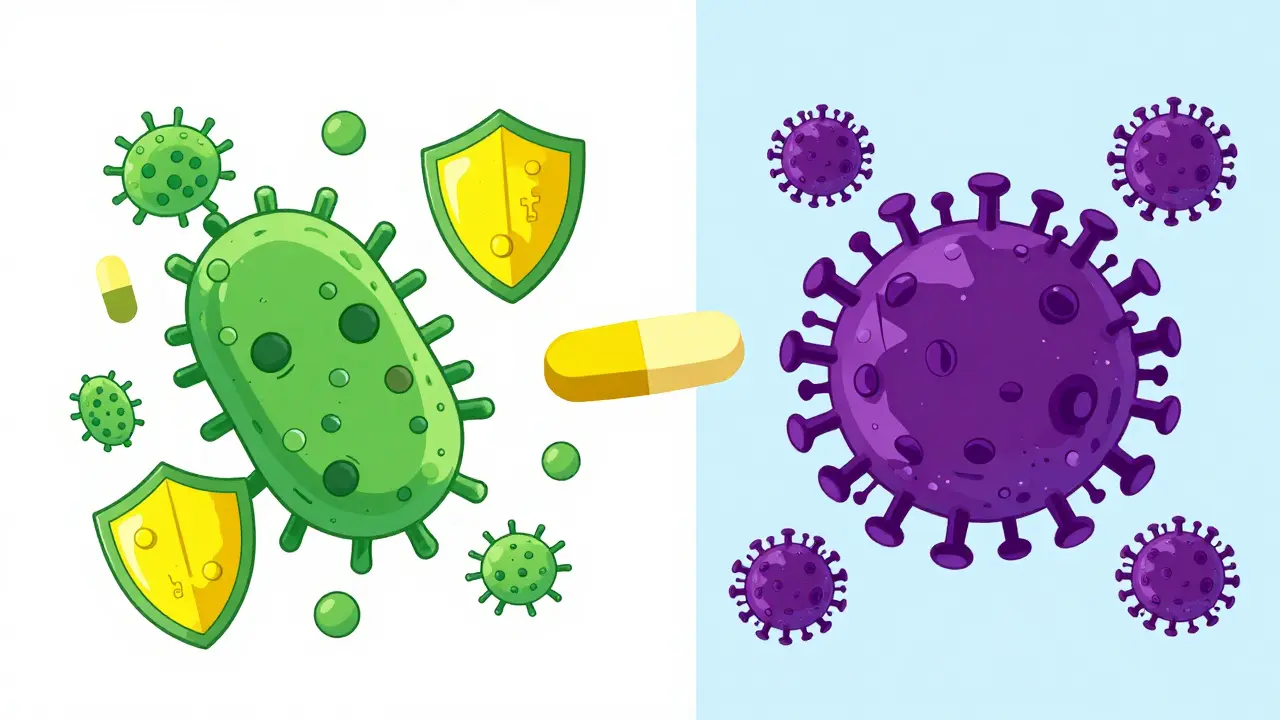
To understand why your doctor might say "no" to antibiotics, you need to know what these drugs actually do. Antibiotics target specific structures in bacteria that human cells do not have. They disrupt cell walls or protein production in bacteria. Viruses are completely different. They hijack human cells to replicate. Antibiotics cannot touch them. Giving antibiotics for a viral infection is like trying to put out a fire with water when the problem is actually an electrical short-it just doesn't work, and it can cause other problems.
Here is the breakdown of common childhood illnesses:
- Colds and Coughs: 100% viral. Antibiotics do nothing.
- Vomiting and Diarrhea: 99% viral. Antibiotics often make diarrhea worse.
- Pneumonia: About 90% of cases in children are viral. Only 10% are bacterial.
- Sore Throats: Roughly 80% are viral. Only about 20% are caused by Group A Streptococcus (strep throat).
- Ear Infections (Acute Otitis Media): Often bacterial, but many mild cases resolve on their own.
If your child has green or yellow nasal discharge, do not panic. This color change is normal in viral colds as white blood cells fight off the virus. It does not automatically mean you need antibiotics.
When Are Antibiotics Actually Necessary?
Doctors follow strict guidelines to decide when to prescribe. They look for specific signs of bacterial infection. Here are the most common scenarios where antibiotics are the right choice:
- Strep Throat: If a rapid antigen test or culture confirms Group A Strep, antibiotics (usually penicillin or amoxicillin) are required to prevent serious complications like rheumatic fever, which can damage heart valves.
- Ear Infections: For moderate to severe pain, fluid draining from the ear, or infections in children under two years old, antibiotics like amoxicillin are standard.
- Bacterial Sinusitis: Symptoms must last more than 10 days without improvement, or get significantly worse after initially getting better.
- Pneumonia: If chest X-rays and symptoms point to bacterial pneumonia, antibiotics are critical.
- Urinary Tract Infections (UTIs): These are bacterial and require prompt treatment to prevent kidney damage.
For borderline cases, such as a mild ear infection in a healthy child over six months, doctors may recommend "watchful waiting." This means observing the child for 48 to 72 hours. If symptoms worsen, antibiotics are started. If they improve, the child avoids unnecessary medication.
Common Antibiotics Used in Pediatrics
Not all antibiotics are the same. Doctors choose based on the likely bacteria, the child's age, and safety profiles. Here are the most frequent classes:
| Class | Common Drug Names | Typical Use Cases | Dosing Frequency |
|---|---|---|---|
| Penicillins | Amoxicillin, Penicillin G | Ear infections, sinus infections, strep throat | Twice daily (every 12 hours) |
| Cephalosporins | Cefdinir, Ceftibuten | Complicated ear infections, pneumonia, recurrent infections | Once or twice daily |
| Macrolides | Azithromycin, Erythromycin | Whooping cough, milder pneumonia, penicillin allergies | Once daily (short courses) |
Amoxicillin is often the first-line treatment because it is effective against a broad range of bacteria and has a favorable safety profile. Dosing is weight-based, typically 80-90 mg/kg/day divided into two doses for ear infections.
Side Effects: What to Expect
About 10% of children experience side effects from antibiotics. Most are mild and manageable. Knowing what to expect helps you avoid unnecessary ER visits.
- Diarrhea: Affects 5-25% of children. Antibiotics kill good gut bacteria along with the bad. Offer probiotic-rich foods like yogurt (if the child tolerates dairy) and ensure hydration.
- Nausea and Vomiting: Occurs in 3-18% of cases. Give antibiotics with food if allowed (check the label; some need an empty stomach).
- Rash: A mild rash without itching or swelling is often just a side effect, not an allergy. It affects 2-10% of children.
- Yeast Infections: Thrush in the mouth or diaper rash can occur due to yeast overgrowth. Keep the area dry and clean.
If your child vomits within 30 minutes of taking a dose, repeat the full dose. If vomiting happens 30-60 minutes later, give half the dose. Always consult your pharmacist or doctor for specific advice.
Allergies: Real vs. Misdiagnosed
This is one of the biggest misconceptions in pediatrics. Many parents believe their child is allergic to penicillin because they had a rash years ago. In reality, 95% of children labeled as "allergic" based on family history or past mild rashes can safely take penicillin.
True Allergy Signs: These require immediate emergency care:
- Hives (raised, itchy welts)
- Swelling of the lips, tongue, or face
- Wheezing or difficulty breathing
- Anaphylaxis (rare, but life-threatening)
Mild Side Effect Signs: These usually do not indicate a true allergy:
- Faint, non-itchy rash
- Upset stomach
- Diarrhea
If your child had a severe reaction in the past, tell every doctor and pharmacist. Avoid self-diagnosing allergies. An allergist can perform testing to confirm if a true allergy exists, potentially expanding your child's future treatment options.
The Danger of Antibiotic Resistance
Why do doctors hesitate to prescribe? Because every time we use antibiotics unnecessarily, we train bacteria to survive them. This is antibiotic resistance. It is not just a theoretical risk; it is a growing crisis.
According to the CDC, 30% of outpatient antibiotic prescriptions for children are unnecessary. This misuse contributes to resistant bacteria like MRSA (Methicillin-resistant Staphylococcus aureus), which has increased by 150% in children since 2010. Resistant infections cause over 2.8 million illnesses and 35,000 deaths annually in the U.S. alone.
When resistance develops, common infections become harder to treat. Doctors may need to use stronger, more expensive, or more toxic antibiotics. In severe cases, there may be no effective treatment left. By using antibiotics only when necessary, you protect not just your child, but the entire community.
Administration Tips for Parents
Getting a child to take medicine can be tough. Here are practical tips to ensure proper dosing:
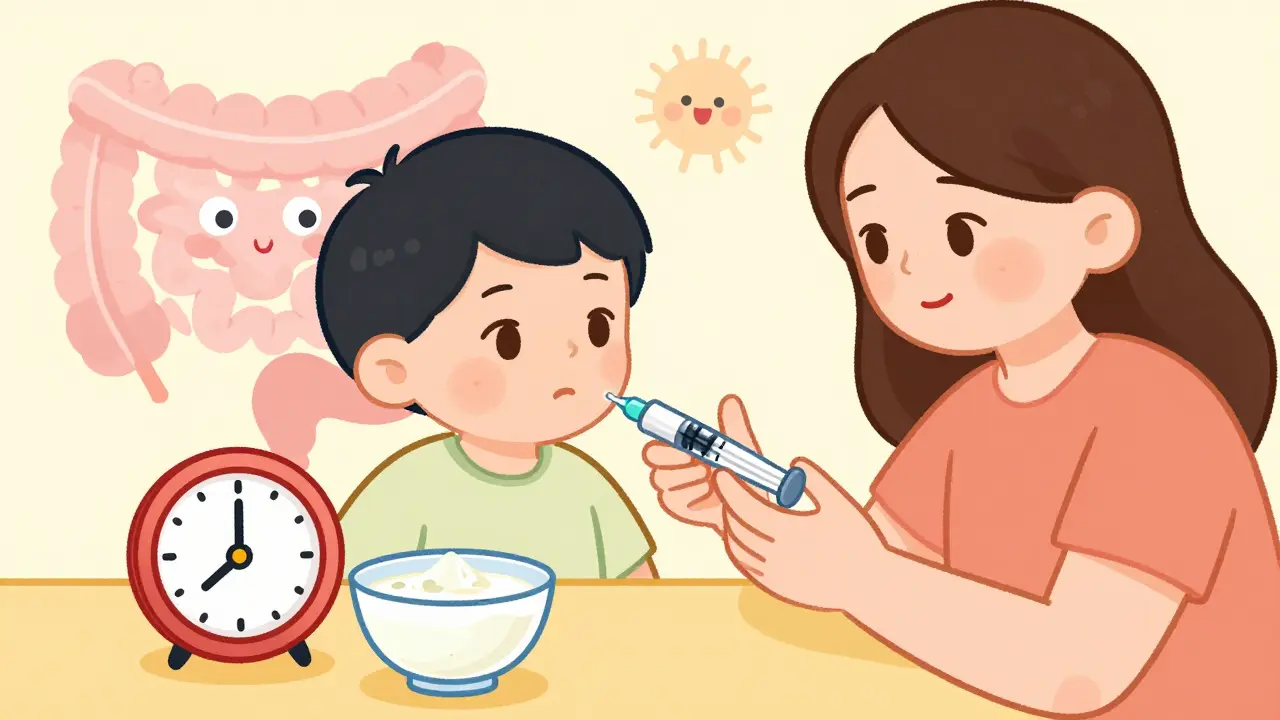
- Use the Right Tool: Never use a kitchen spoon. Use the syringe or cup provided with the medication. Kitchen spoons vary greatly in size.
- Taste Matters: 43% of children resist liquid antibiotics due to taste. Ask your pharmacist about flavoring services. Some compounding pharmacies can mask the bitter taste.
- Food Pairing: Mix small amounts of medicine with chocolate syrup, applesauce, or jam. Do not mix it into a large meal, as incomplete consumption means incomplete dosing.
- Timing: Set alarms. Consistency is key. Amoxicillin works best when given every 12 hours. Azithromycin is often once daily.
- Finish the Course: Even if your child feels better in two days, finish the full prescription. Stopping early allows the strongest bacteria to survive and multiply, leading to relapse and resistance.
When to Call the Doctor Again
Monitor your child closely after starting antibiotics. You should see improvement within 48 to 72 hours. If there is no improvement, or if symptoms worsen, contact your doctor. Do not wait until the bottle is empty. The diagnosis might need to be reconsidered, or a different antibiotic might be needed.
Seek immediate care if you notice signs of a severe allergic reaction, high fever that persists despite medication, lethargy, or difficulty breathing.
The Future of Pediatric Antibiotics
Medical science is moving toward precision medicine. New tools like point-of-care CRP testing and rapid susceptibility tests help doctors differentiate between viral and bacterial infections faster. These tests can reduce unnecessary prescriptions by up to 85%. The goal is to preserve these life-saving drugs for when they are truly needed. As Dr. Charles Woods notes, "The most powerful antibiotic we have for most childhood illnesses is time and supportive care."
Can I give my child leftover antibiotics from a previous illness?
No, never do this. Leftover antibiotics may be the wrong type for the current infection, the wrong dose, or expired. Using them incorrectly contributes to antibiotic resistance and can delay proper treatment. Always consult a healthcare provider for a new prescription.
How long does it take for antibiotics to start working?
You should see improvement in symptoms within 48 to 72 hours. If your child does not feel better after three days, or if symptoms worsen, contact your doctor immediately. Do not stop the medication early just because symptoms improve.
What is the difference between a side effect and an allergy?
Side effects are common reactions like diarrhea, nausea, or a mild rash. They are usually manageable. True allergies involve immune system responses like hives, swelling of the face or lips, wheezing, or difficulty breathing. True allergies require immediate medical attention and permanent avoidance of that drug class.
Does green mucus mean my child needs antibiotics?
No. Green or yellow mucus is a normal part of the immune response in viral colds. Color alone is not a reliable indicator of bacterial infection. Duration of symptoms (more than 10 days) or worsening after initial improvement are better indicators.
What should I do if my child vomits after taking antibiotics?
If vomiting occurs within 30 minutes of the dose, repeat the full dose. If it happens 30-60 minutes later, give half the dose. If more than an hour has passed, do not repeat the dose. Consult your pharmacist or doctor for specific guidance based on the medication.
Are natural remedies effective instead of antibiotics?
Natural remedies like honey (for children over one year), saline drops, and hydration support recovery from viral illnesses. However, they cannot cure bacterial infections like strep throat or pneumonia. Relying on natural remedies for serious bacterial infections can lead to severe complications.
Why is antibiotic resistance a big deal?
Antibiotic resistance makes common infections harder to treat. Bacteria evolve to survive antibiotics, rendering standard treatments ineffective. This leads to longer illnesses, higher medical costs, and increased risk of death. Responsible use preserves the effectiveness of these drugs for future generations.