
Skin Infection: Causes, Treatments, and What You Need to Know
When your skin breaks down—whether from a cut, scrape, or rash—you’re at risk for a skin infection, a condition where bacteria, fungi, or viruses invade damaged skin and trigger inflammation, pain, or pus. Also known as cutaneous infection, it’s one of the most common reasons people visit doctors or pharmacists. It’s not just about redness or itching. Left untreated, even a small infected scrape can turn into something dangerous, especially if you’re on immunosuppressants, have diabetes, or are on long-term antibiotics.
Many skin infections start as simple irritations but get worse because people delay treatment or use the wrong remedy. For example, using an antifungal cream on a bacterial infection won’t help—and might make it worse. On the flip side, overusing antibiotics for minor rashes fuels resistance. antifungal treatment, a class of drugs designed to kill or stop the growth of fungi on or under the skin like voriconazole is critical for deeper fungal infections, especially in people on dialysis or with weakened immune systems. But for most surface-level cases, topical antibiotics or antifungals like miconazole or clindamycin are enough. The key is matching the treatment to the cause.
What you might not realize is that some skin infections are linked to other meds you’re taking. Antibiotics can wipe out good gut bacteria, leading to diarrhea and even antibiotic diarrhea, a common side effect caused by disruption of gut flora, often treated with specific probiotic strains. That’s why probiotics are often recommended during antibiotic therapy—not just for your gut, but because a healthy microbiome helps your skin stay protected too. And if you’re using topical steroids for eczema or psoriasis, you’re increasing your risk of fungal skin infections. It’s a chain reaction: one treatment can open the door to another problem.
There’s no one-size-fits-all fix. What works for athlete’s foot might not help a staph infection. And while natural remedies get a lot of attention, many lack evidence—or worse, interact dangerously with prescriptions. You need to know what you’re dealing with before you reach for the cream. That’s why the posts below cover real cases: how voriconazole treats fungal infections in vulnerable patients, how probiotics help when antibiotics mess with your system, and how common skin conditions are mistaken for something else entirely. You’ll find comparisons of treatments, warnings about dangerous combos, and practical tips from people who’ve been there. No fluff. Just what works—and what doesn’t—when your skin is under attack.
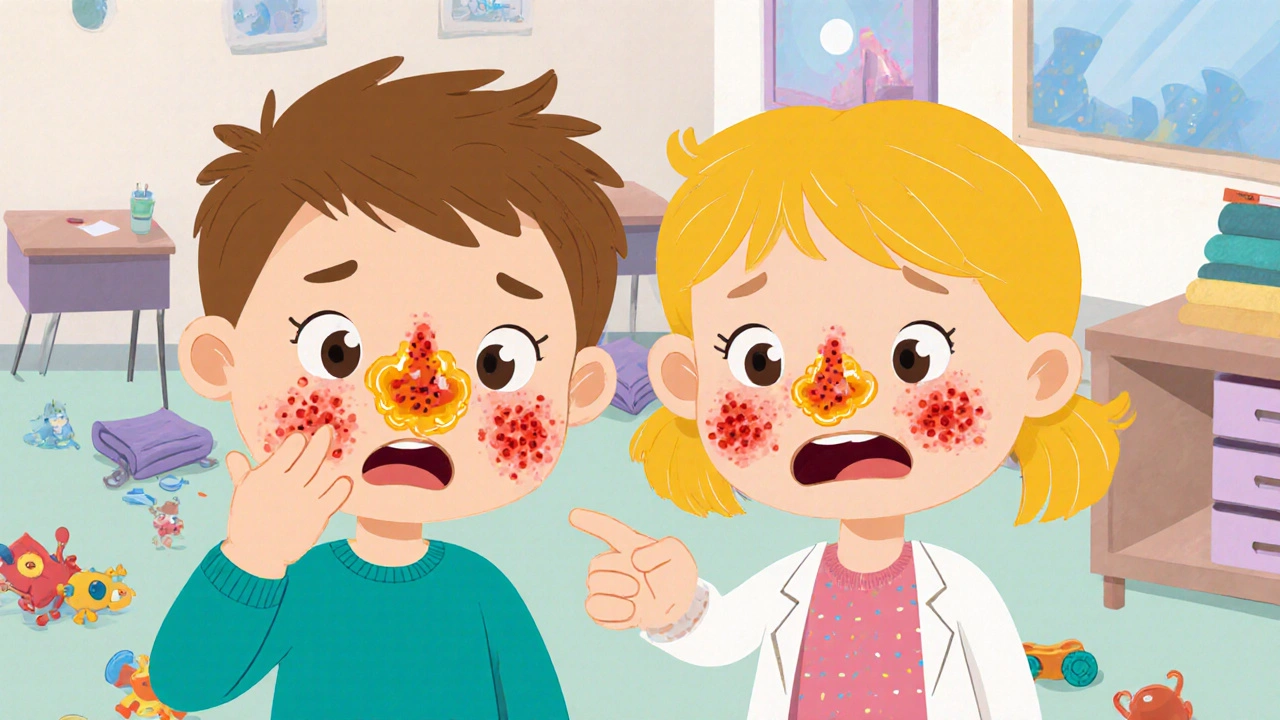
Impetigo and Cellulitis: How to Tell Them Apart and Choose the Right Antibiotic
Impetigo and cellulitis are common bacterial skin infections with different symptoms and treatments. Learn how to tell them apart, which antibiotics work best, and when to seek urgent care.
View MorePopular Posts





Nifedipine and Insomnia: Tips for Better Sleep
27 Mar 2025