Prescription Cost Savings: How to Cut Drug Expenses Without Sacrificing Care
When you’re paying for meds month after month, prescription cost savings isn’t just a nice-to-have—it’s a necessity. Many people don’t realize that the same active ingredient in a brand-name pill can cost 80% less as a generic, but switching isn’t always simple. Generic drugs, lower-cost versions of brand-name medications that must meet the same FDA standards for safety and effectiveness. Also known as non-brand medications, they make up over 90% of prescriptions filled in the U.S. and save patients and the system billions each year. But not all generics are created equal. Some, like thyroid meds or blood thinners, have narrow therapeutic windows, meaning tiny differences in formulation can affect how your body responds. That’s why tracking your reaction with a medication journal, a simple log where patients record how they feel after switching to a generic version can prevent hidden side effects.
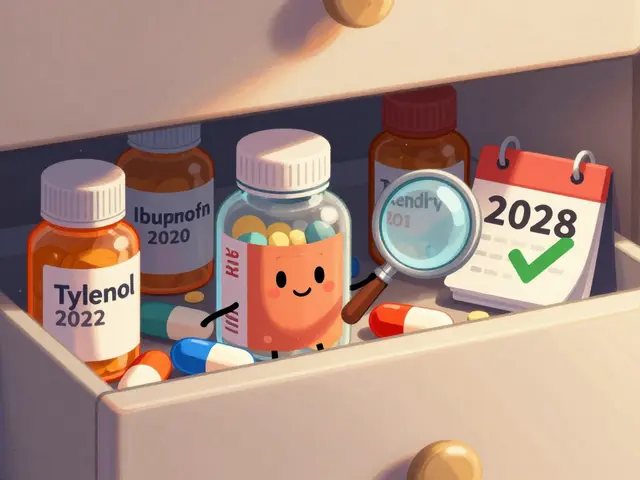
Then there’s the bigger picture: drug shortages, sudden gaps in supply caused by manufacturing issues, pricing pressures, or raw material delays are pushing prices up and forcing people to scramble for alternatives. In 2025, generic antibiotic and heart medication shortages are hitting hard, and pharmacies are running out of stock without warning. That’s why knowing how to read your prescription drug labels, the fine print that tells you about interactions, black box warnings, and storage needs matters more than ever. A label might warn you that grapefruit ruins your blood pressure med, or that a certain generic has a higher risk of contamination—details that can save you from hospital visits and extra bills.
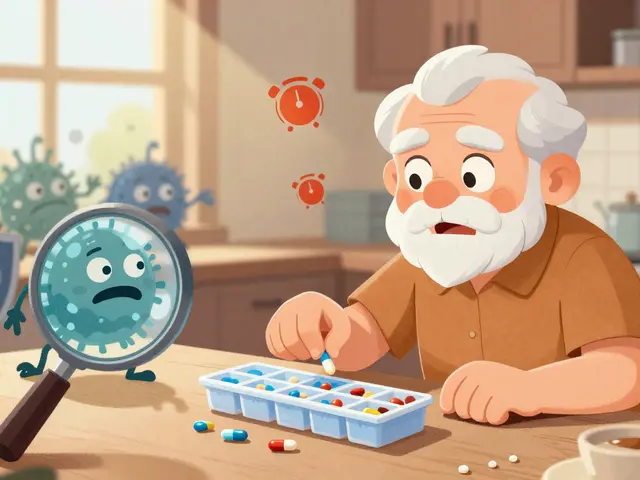
And it’s not just about the pill itself. How you take it, when you take it, and whether you even remember to take it all play into the true cost of your care. Missing doses leads to worse outcomes, which leads to more expensive treatments down the line. That’s why simple habits—like checking your label before every dose or using a pill tracker—are proven to reduce errors by over 70%. These aren’t fancy tricks. They’re basic safety moves anyone can make.
Below, you’ll find real stories and data-backed advice from people who’ve been there: the patient who saved $400 a month by switching generics, the caregiver who caught a dangerous interaction using a medication log, the dialysis patient who avoided a fungal infection by knowing which antifungal works best. These aren’t theoretical tips. They’re the tools people use every day to keep their health—and their wallets—intact.
How to Use Manufacturer Savings Programs for Brand Drugs to Lower Prescription Costs
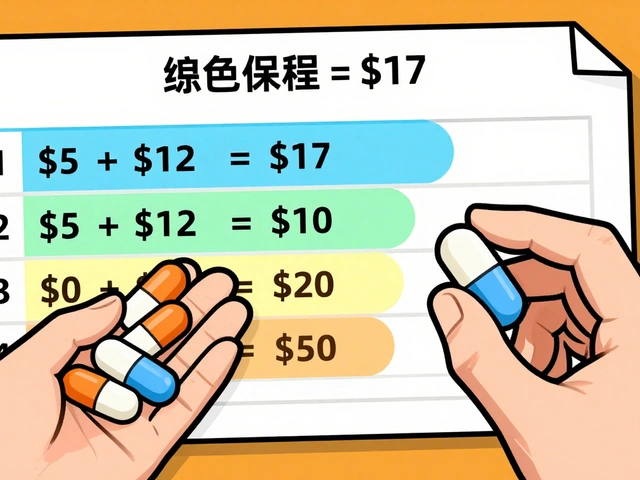
Learn how to use manufacturer savings programs to cut your brand drug costs by up to 85%. Find out who qualifies, how to enroll, and what pitfalls to avoid with copay cards and patient assistance programs.
View More