NSAIDs and Heart Failure: Risks, Alternatives, and What You Need to Know
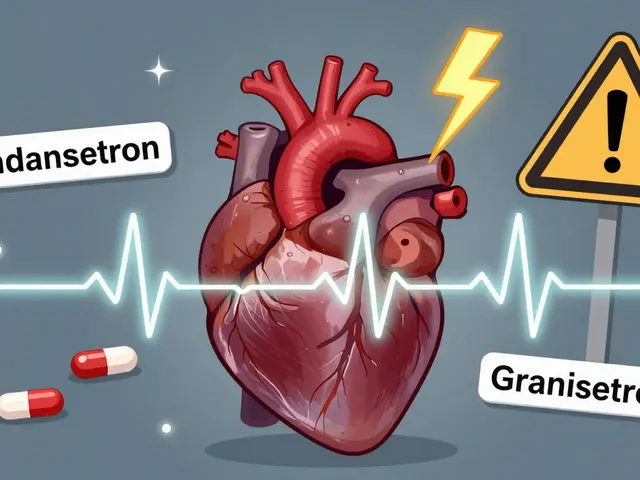
When you have NSAIDs, nonsteroidal anti-inflammatory drugs used to reduce pain, swelling, and fever. Also known as nonsteroidal anti-inflammatories, they’re among the most commonly taken medications worldwide. But if you’re living with heart failure, a condition where the heart can’t pump blood effectively to meet the body’s needs, these drugs aren’t just risky—they can make things worse. Studies show NSAIDs like diclofenac and ibuprofen can cause fluid retention, raise blood pressure, and reduce the effectiveness of heart failure meds like diuretics and ACE inhibitors. It’s not a guess—it’s backed by real-world data from heart clinics and large patient reviews.
That’s why so many people with heart issues end up switching pain relief strategies. Diclofenac, a powerful NSAID found in Voveran SR and other brands is especially linked to higher heart risks. Even short-term use can trigger hospital visits in vulnerable patients. Meanwhile, alternatives like acetaminophen (Tylenol) or low-dose aspirin may be safer—but only if used correctly. It’s not about avoiding pain relief entirely. It’s about choosing the right kind. Many of the posts here explore exactly that: how Voveran SR compares to other painkillers, why some alternatives work better for people with heart conditions, and what real patients have learned through trial and error.
There’s also a big gap in how people think about this. Some assume if a painkiller is sold over the counter, it’s automatically safe. That’s not true—not when your heart is already struggling. Others think they can just take less of it. But with NSAIDs, even small doses over time can add up. The real solution isn’t just avoiding one drug. It’s understanding how your whole pain management plan fits with your heart health. That’s why this collection includes direct comparisons of NSAID alternatives, tips on managing chronic pain without worsening heart failure, and stories from people who’ve made the switch successfully.
If you’re taking NSAIDs and have heart failure—or know someone who is—this isn’t just about information. It’s about safety. You don’t need to suffer in pain. But you do need to know what works without putting extra strain on your heart. Below, you’ll find real comparisons, clear trade-offs, and practical advice from people who’ve been there. No fluff. No marketing. Just what you need to make smarter choices.
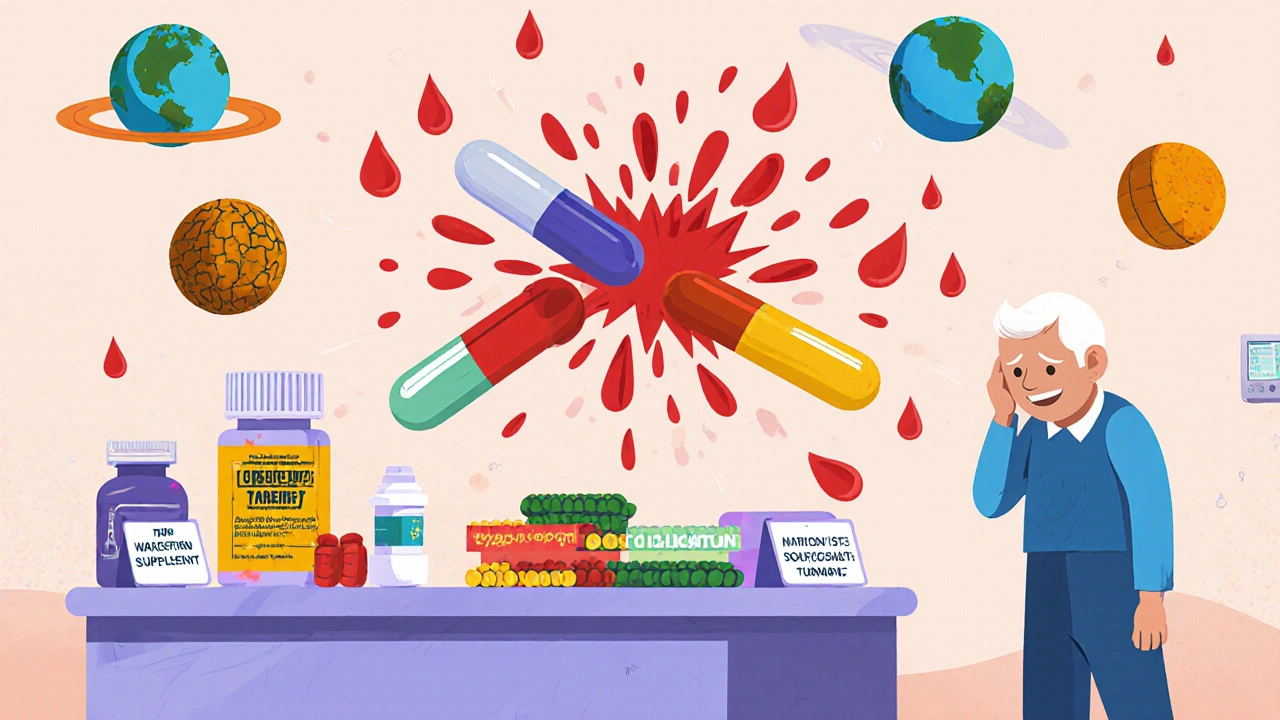
Heart Medications and Their Dangerous Combinations: What to Avoid
Heart medications can save lives-but dangerous combinations with NSAIDs, blood thinners, or supplements can cause bleeding, heart failure, or death. Learn the top 7 risky combos and how to stay safe.
View MorePopular Posts