MRSA: What It Is, How It Spreads, and How to Fight Drug-Resistant Infections
When you hear MRSA, a type of staph bacteria resistant to several common antibiotics, including methicillin and other beta-lactams. Also known as methicillin-resistant Staphylococcus aureus, it’s not just a hospital problem—it’s showing up in gyms, schools, and homes. This isn’t your typical skin infection. MRSA doesn’t just cause boils or pimples—it can turn into life-threatening pneumonia, bloodstream infections, or surgical site infections if left unchecked.
What makes MRSA so dangerous isn’t just that it’s tough to kill—it’s that antibiotic resistance, the ability of bacteria to survive exposure to drugs designed to kill them is growing faster than new treatments. People often assume if a pill doesn’t work, they just need a stronger one. But with MRSA, many first-line antibiotics like penicillin, amoxicillin, and even some cephalosporins are useless from day one. That’s why superbug, a slang term for bacteria that resist multiple antibiotics has become such a loud alarm in medicine. And it’s not science fiction—CDC data shows over 100,000 MRSA infections happen in the U.S. every year, with thousands dying from complications.
MRSA spreads through skin-to-skin contact, shared towels, gym equipment, or even contaminated surfaces. Athletes, military recruits, and people in crowded living spaces are at higher risk. But here’s the thing: you don’t need to be sick to carry it. Some people carry MRSA on their skin without symptoms—this is called colonization. The real danger comes when your immune system is down, or you have a cut, burn, or surgical wound. That’s when the bacteria can slip in and cause trouble.
The posts below don’t just talk about MRSA in isolation. They connect it to real-world problems you might not expect. For example, how antibiotic resistance makes treating common infections harder than ever. How probiotics can help protect your gut during antibiotic therapy—especially when you’re being treated for something like MRSA. How drug shortages and contamination in generics can leave patients with fewer safe options. And how even something as simple as knowing which foods interact with your meds can affect your recovery.
What you’ll find here isn’t theory. It’s what people are actually dealing with: the side effects of antibiotics used to fight MRSA, the frustration of switching meds because the first one didn’t work, the fear of reinfection, and the quiet battles patients fight just to get proper care. These aren’t abstract medical concepts—they’re lived experiences. And if you’ve ever been told "it’s just a staph infection"—then you know how wrong that can be.
Impetigo and Cellulitis: How to Tell Them Apart and Choose the Right Antibiotic
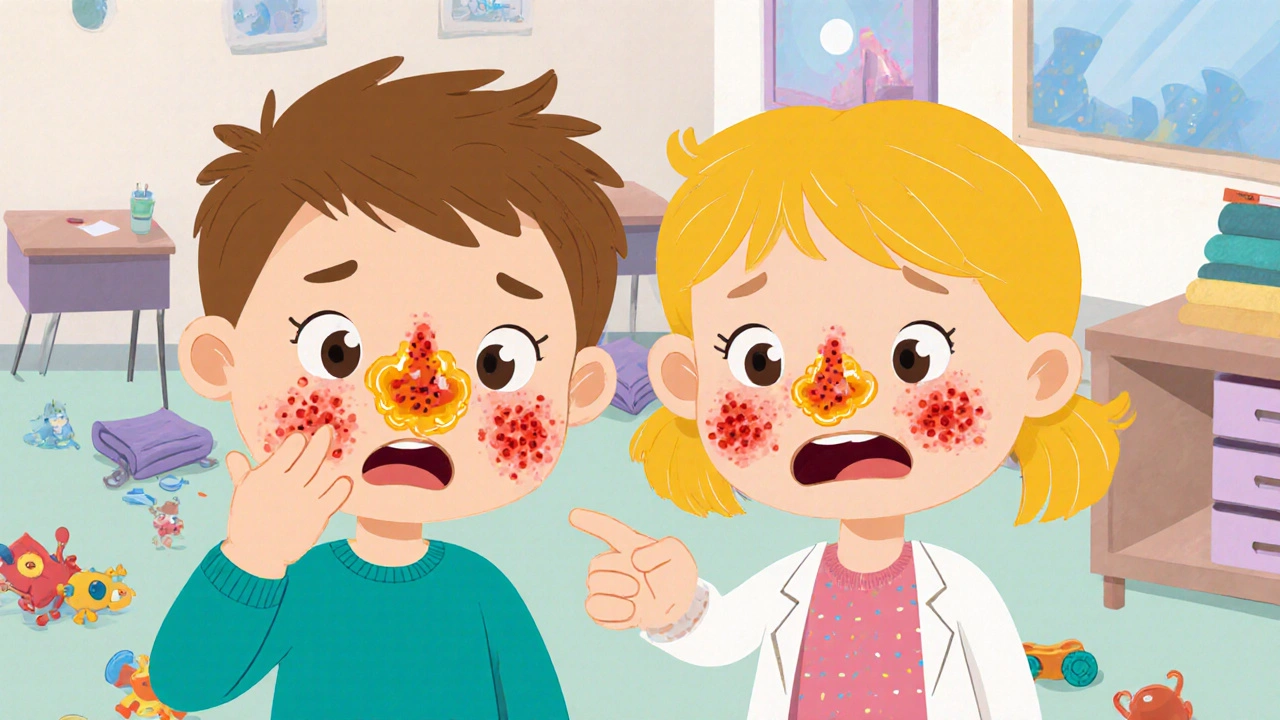
Impetigo and cellulitis are common bacterial skin infections with different symptoms and treatments. Learn how to tell them apart, which antibiotics work best, and when to seek urgent care.
View More