Medication Journal: Track Side Effects, Interactions, and Real-World Results
When you take more than one medication, a medication journal, a personal record of what you take, when, and how you feel. Also known as drug log, it’s not just a notebook—it’s your best defense against hidden risks like dangerous interactions, unexpected side effects, and unnoticed patterns. Most people don’t realize how often meds clash. Grapefruit can turn your blood pressure pill into an overdose. SSRIs can make you bleed easier. Generic thyroid meds can throw your TSH off if you switch brands without checking. A simple journal helps you spot these before they hurt you.
Think of your medication journal, a personal record of what you take, when, and how you feel. Also known as drug log, it’s not just a notebook—it’s your best defense against hidden risks like dangerous interactions, unexpected side effects, and unnoticed patterns. Think of your drug interactions, when two or more medications affect each other’s strength or safety like a minefield. One wrong combo—like warfarin and ibuprofen, or statins with grapefruit—can land you in the ER. Your journal helps you connect the dots: Did you start feeling dizzy after adding a new pill? Did your sleep crash after switching generics? Did your skin break out after starting a new antibiotic? These aren’t random. They’re clues.
And then there’s side effects, unwanted physical or mental reactions to a medication. Not all side effects are listed on the label. Some only show up after months. Weight gain from SSRIs. Bone loss from phenytoin. Anxiety from bupropion. Sexual problems from Zoloft. If you don’t track them, your doctor can’t help. A journal turns vague complaints into clear data. Instead of saying, "I just don’t feel right," you say, "After I started taking prazosin, my nightmares stopped but my dizziness got worse after 10 days." That’s the kind of detail that saves lives.
You’ll find real examples in the posts below: how to talk to your doctor about overdose risk without being judged, why citrus fruits mess with calcium channel blockers, how generic drug contamination happens, and why switching levothyroxine brands might need a TSH check. These aren’t abstract warnings. They’re stories from people who kept a journal and caught something dangerous before it got worse.
Whether you’re managing high blood pressure, depression, thyroid issues, or chronic pain, your medication journal is the one tool no one gives you—but everyone needs. It doesn’t have to be fancy. Just write down what you took, when, and how you felt. Over time, patterns emerge. Risks become visible. And you stop guessing. You start knowing.
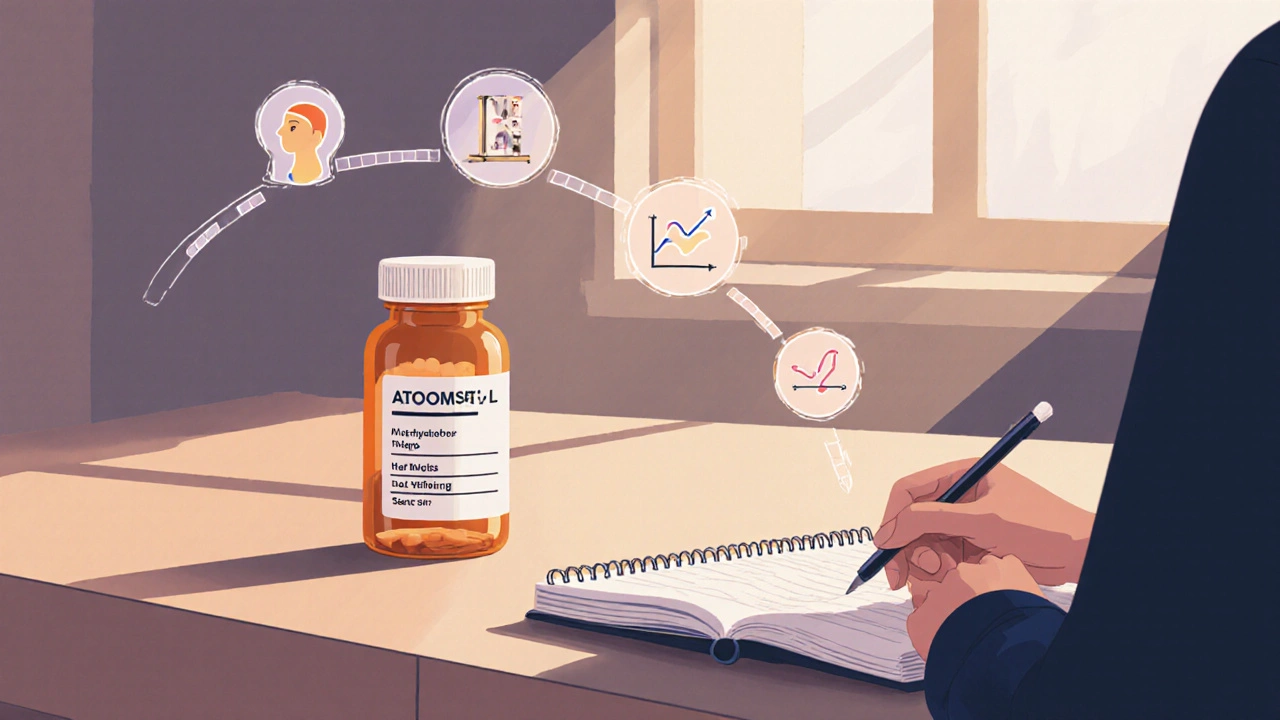
Keeping a Medication Journal: Tracking Your Response to Generic Medications
Keep a medication journal to track how your body responds when switching to generic drugs. Learn what to record, which meds need it most, and how to use your journal with your doctor.
View More