Liver Monitoring: What You Need to Know About Tracking Liver Health on Medications
When you take certain medications long-term, your liver, the organ that processes most drugs and filters toxins from your blood. Also known as hepatic system, it works silently—until something goes wrong. That’s where liver monitoring comes in. It’s not just a routine check for people on heavy meds. It’s a simple, life-saving habit for anyone taking drugs that can stress the liver—like statins, antibiotics, seizure meds, or even some herbal supplements.
Doctors don’t order liver tests because they’re suspicious. They do it because liver enzymes, proteins like ALT and AST that leak into the blood when liver cells are damaged rise before you feel sick. You might not notice anything until your skin turns yellow or your belly swells. By then, it’s too late. Regular monitoring catches small changes early. For example, someone on long-term antifungal treatment like voriconazole or someone switching between generic thyroid meds might need a blood test every few months. It’s not about fear—it’s about knowing your body’s response.
Not everyone needs frequent checks. But if you’re on multiple drugs, have a history of liver issues, or take supplements that claim to "detox" your liver, you’re at higher risk. Drug-induced liver injury, damage caused by medications or supplements that harm liver cells is more common than you think. Studies show it’s behind 20% of all acute liver failures in the U.S. And it’s not always the big-name drugs. Sometimes it’s the OTC pain reliever you take daily, or that new herbal blend your friend swore by.
What do the numbers mean? ALT and AST are the usual suspects. High levels? Not always bad—but they’re red flags. ALP and bilirubin tell you if bile flow is blocked. Normal results don’t guarantee safety, but abnormal ones mean it’s time to talk to your doctor—before you feel worse. And if you’re switching generics, especially for drugs with a narrow therapeutic index, your liver might react differently than you expect.
This collection of posts doesn’t just list drugs that hurt the liver. It shows you how to spot trouble before it hits, how to track your own health with simple logs, and how to ask the right questions at the pharmacy. You’ll find real advice on medication safety, how to read labels, what to watch for with supplements, and why some people need more frequent checks than others. Whether you’re managing heart meds, antidepressants, or chronic pain, knowing how your liver responds isn’t optional—it’s part of staying in control.
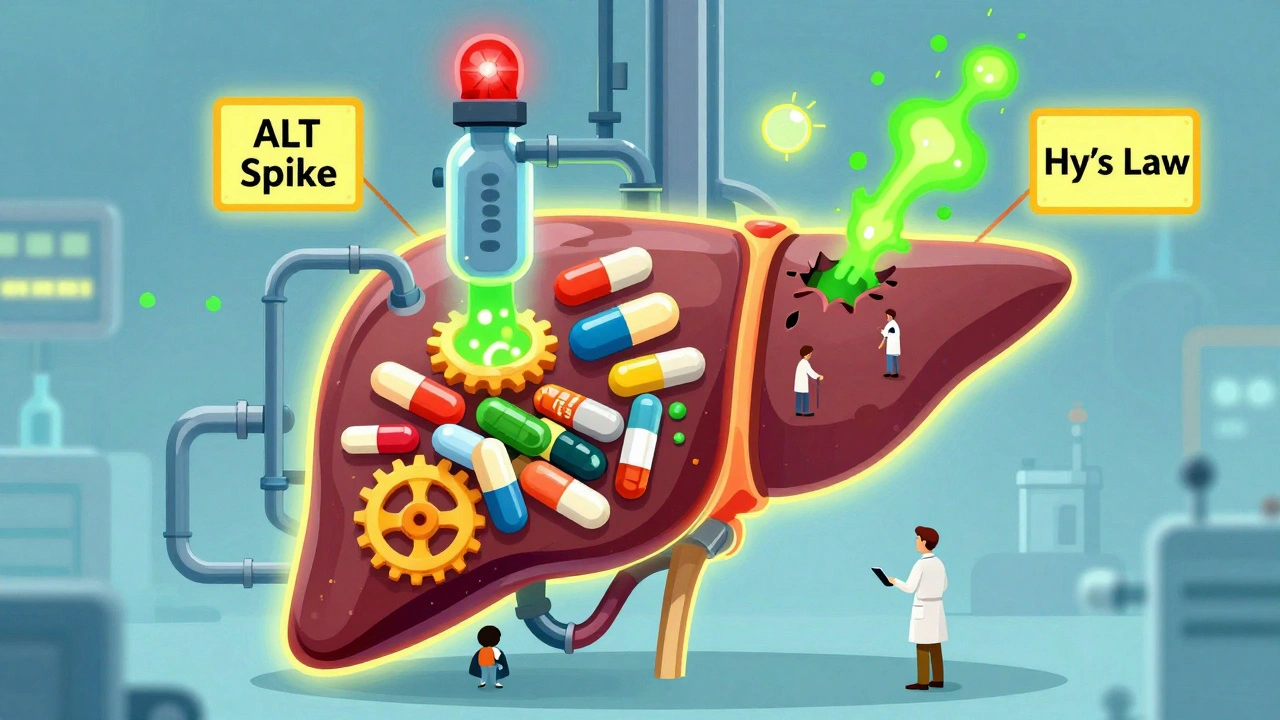
Drug-Induced Liver Injury: High-Risk Medications and How to Monitor Them
Drug-induced liver injury can be caused by common medications and supplements. Learn which drugs pose the highest risk, how to spot early signs, and what monitoring steps can prevent serious liver damage.
View More