
Heart Rate Monitoring: What It Tells You and How to Use It Right
When you check your heart rate monitoring, the process of measuring how many times your heart beats per minute, often using wearable devices or medical tools. Also known as pulse tracking, it’s not just for athletes—it’s a simple way to spot early signs of trouble in your cardiovascular health, the overall condition of your heart and blood vessels. If your heart is working too hard, too slow, or irregularly, this data can be the first clue something’s off.
Most people think heart rate monitoring is about counting beats during a workout. But the real value lies in your resting heart rate, the number of beats per minute when you’re calm and still, usually measured in the morning before getting out of bed. A normal range is 60–100 bpm, but many healthy adults sit at 50–70. If yours has crept up over months without changes in activity, it could mean stress, dehydration, or even early heart issues. And then there’s heart rate variability, the subtle changes in time between heartbeats, which reflects how well your nervous system handles stress. Low variability? That’s a red flag for chronic stress, poor sleep, or inflammation—even if your average heart rate looks fine.
People with cardiovascular generics, generic versions of heart medications like beta-blockers or calcium channel blockers often use heart rate monitors to track how well their meds are working. Switching from brand to generic can change how your heart responds, and a steady drop in resting rate might mean the new pill is doing its job—or causing too much slowing. That’s why keeping a journal of your heart rate, along with symptoms like dizziness or fatigue, helps you and your doctor spot problems early. You don’t need fancy gear. Even a basic wrist monitor or a manual pulse check at your wrist can give you useful data—if you know what to look for.
Some meds, like those for high blood pressure or thyroid conditions, directly affect heart rhythm. If you’re on a calcium channel blocker, a class of drugs used to treat hypertension and angina by relaxing blood vessels, your heart rate might drop lower than usual. That’s normal—unless you feel lightheaded or faint. Grapefruit juice, meanwhile, can make these drugs stronger, leading to dangerously slow heart rates. That’s why knowing your baseline matters. Track your heart rate before and after meals, before bed, and after exercise. Look for patterns, not single numbers.
Heart rate monitoring isn’t magic. It won’t diagnose you. But when you combine it with what you feel—shortness of breath, chest tightness, unexplained tiredness—it becomes powerful. People with heart medication interactions, dangerous combinations like beta-blockers with certain painkillers or supplements, often don’t realize their symptoms are linked to their meds until they start watching their heart rate. A sudden spike after taking a new OTC drug? That’s your body saying something’s wrong.
Below, you’ll find real stories from people who used heart rate tracking to catch problems, adjust meds, and avoid hospital visits. Some found their arrhythmia through daily checks. Others learned their anxiety wasn’t just in their head—it was showing up in their pulse. These aren’t theoretical guides. They’re lessons from people who lived it. You don’t need to be a tech expert. You just need to pay attention.
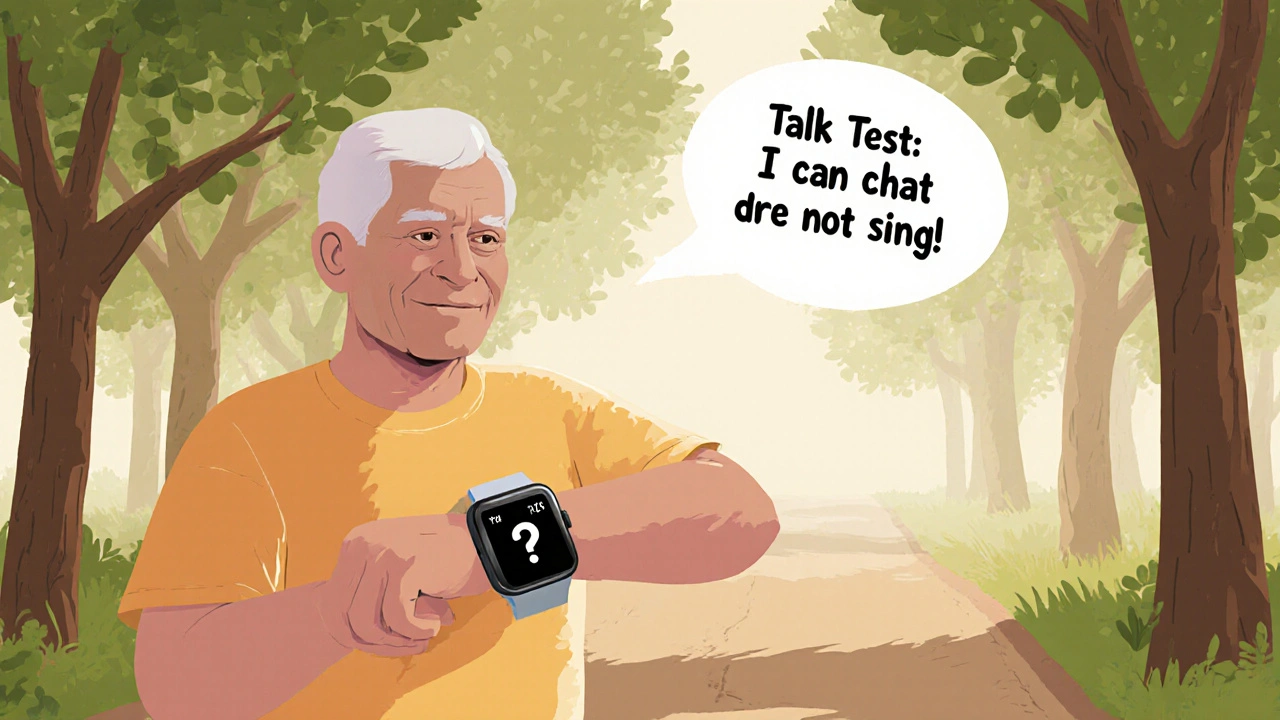
Exercise Modifications for Fatigue on Beta-Blockers and Other Drugs
Learn how to exercise safely and effectively while taking beta-blockers. Discover practical modifications like the talk test, Borg RPE scale, and adjusted workout routines to manage fatigue without giving up fitness.
View MorePopular Posts





How Pets Help People Recover from Illness
6 Oct 2025