Heart Medication Interactions: What You Need to Know Before Taking Pills
When you take heart medication, drugs used to treat conditions like high blood pressure, irregular heartbeat, or heart failure. Also known as cardiovascular drugs, they keep your heart working right—but they don’t play well with everything else. Mixing them with other pills, supplements, or even common foods can turn a safe routine into a health risk. You might not feel anything right away, but over time, these interactions can lower your medication’s power, boost side effects, or even cause serious problems like internal bleeding or a dangerous drop in blood pressure.
Take anticoagulants, blood thinners like warfarin or rivaroxaban that prevent clots. These are especially tricky. Eating large amounts of leafy greens? That’s fine—but suddenly changing your intake can throw off your dosage. Grapefruit juice? It can make some statins and blood pressure meds build up in your system, increasing the chance of muscle damage or dizziness. Even over-the-counter painkillers like ibuprofen can interfere with blood pressure meds, making them less effective and straining your kidneys. And if you’re on statins, cholesterol-lowering drugs like atorvastatin or rosuvastatin, mixing them with certain antibiotics or supplements like red yeast rice can spike your risk of severe muscle breakdown.
It’s not just about pills. Herbal remedies like St. John’s wort can make heart meds stop working. Calcium supplements can block the absorption of some blood pressure drugs. Even skipping meals or drinking alcohol regularly can change how your body handles these medications. The people most at risk? Those taking three or more heart meds, older adults, or anyone managing multiple health issues. You don’t need to memorize every possible combo—but you do need to know the big ones and talk to your pharmacist every time you add something new.
Below, you’ll find real comparisons of common heart-related drugs and what they mix with—like how dipyridamole reacts with aspirin, or how certain antibiotics interact with beta-blockers. These aren’t theory pieces. They’re based on actual patient experiences and clinical data. You’ll see which combinations to avoid, which ones need careful timing, and what to ask your doctor before you take your next pill. No fluff. Just what matters for your heart.
Heart Medications and Their Dangerous Combinations: What to Avoid
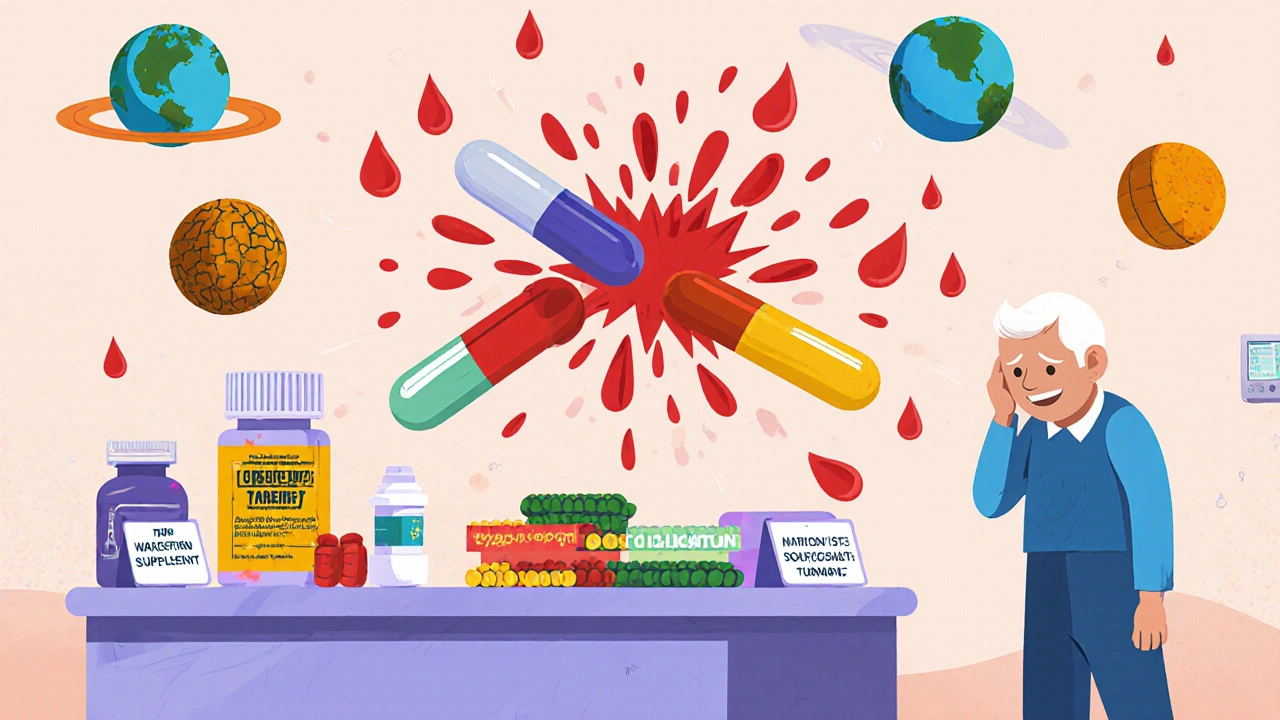
Heart medications can save lives-but dangerous combinations with NSAIDs, blood thinners, or supplements can cause bleeding, heart failure, or death. Learn the top 7 risky combos and how to stay safe.
View More