Gut Health During Antibiotics: What Really Happens and How to Fix It
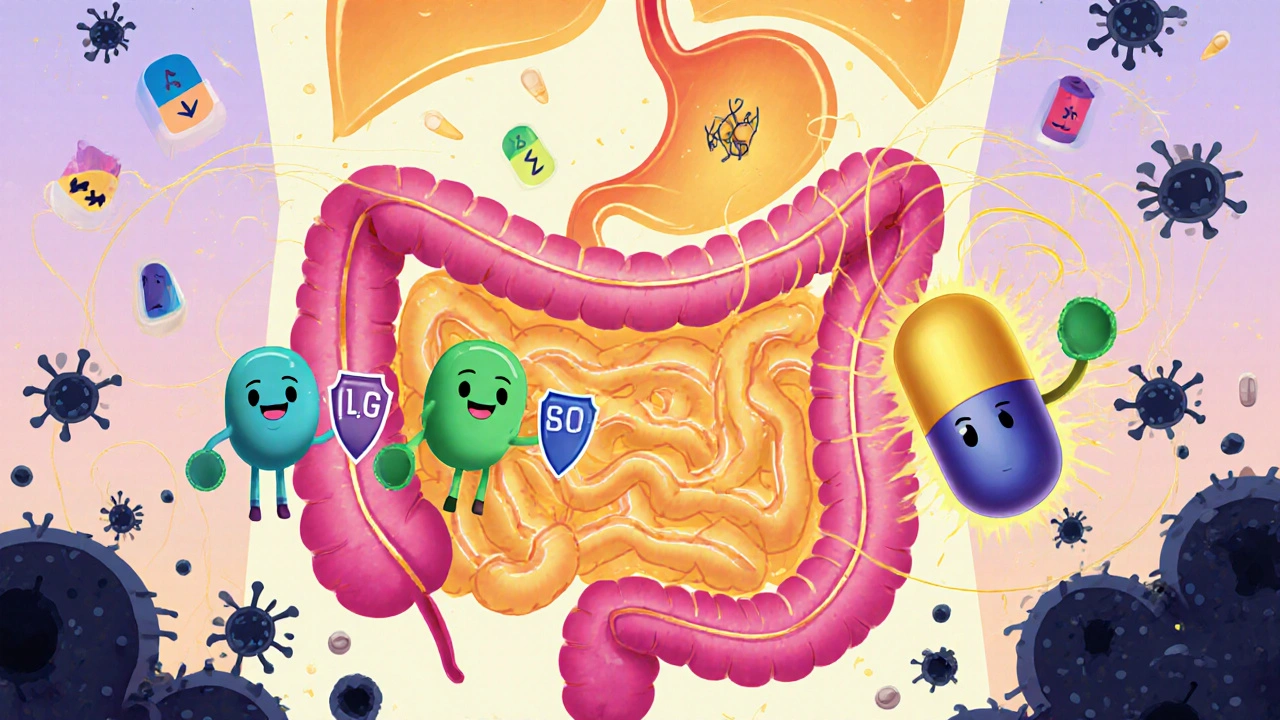
When you take antibiotics, medications designed to kill harmful bacteria causing infections. Also known as antibacterial drugs, they’re essential—but they don’t care if they wipe out the good bugs in your gut too. That’s why so many people end up with bloating, diarrhea, or constant stomach upset after a course. It’s not just a side effect—it’s a major disruption to your gut microbiome, the trillions of bacteria living in your digestive tract that control digestion, immunity, and even mood. These microbes aren’t just along for the ride; they’re running the show. And when antibiotics hit, it’s like dropping a bomb on a city—some bad guys die, but so do the doctors, firefighters, and grocery workers keeping everything running.
Not all antibiotics hit the gut the same way. Some, like clindamycin or ciprofloxacin, are especially rough on friendly bacteria. Others, like amoxicillin, are a bit gentler—but still messy. The damage isn’t always obvious right away. You might feel fine during treatment, then crash a few days later. That’s because the good bacteria take time to die off, and the bad ones—like Clostridioides difficile, a dangerous gut pathogen that thrives when normal flora are wiped out.—move in fast. Studies show up to 30% of people on antibiotics get diarrhea, and 1 in 5 of those cases are linked to C. diff. This isn’t just uncomfortable; it’s dangerous.
So what can you do? It’s not about avoiding antibiotics when you need them. It’s about protecting your gut while you’re on them. Probiotics, live beneficial bacteria taken to support gut balance. can help—but not all are created equal. Strains like Lactobacillus rhamnosus GG and Saccharomyces boulardii have real data showing they reduce antibiotic-associated diarrhea. Eating yogurt won’t cut it if you’re on strong meds. You need targeted, high-dose supplements taken at least two hours apart from your antibiotic. And after the course? Focus on fiber—real food fiber from vegetables, legumes, and whole grains. That’s what your good bacteria feed on to rebuild. Avoid sugar and processed foods; they feed the bad guys.
This isn’t just about stomach issues. Your gut talks to your brain, your immune system, even your skin. Disrupt it, and you might get more than just gas—you could feel more anxious, get more infections, or even develop skin flare-ups. The science is clear: gut health during antibiotics matters. It’s not a side note. It’s part of the treatment.
Below, you’ll find real stories and practical advice from people who’ve been there—how they managed diarrhea, what probiotics actually worked, what to eat when your stomach is wrecked, and how to know if you need help beyond home remedies. No fluff. Just what works.
Probiotics During Antibiotic Therapy: How to Reduce GI Side Effects
Probiotics can reduce antibiotic-related diarrhea by up to 70% when taken correctly. Learn which strains work, how to time them, and what to avoid for safer gut health during antibiotic treatment.
View More