Antibiotic Treatment: What Works, What Risks, and How to Protect Your Gut
When you need an antibiotic treatment, a medical intervention that kills or stops the growth of bacteria causing infection. Also known as antibacterial therapy, it’s one of the most common and life-saving tools in modern medicine. But too often, people take them like candy—without knowing how they affect their body long after the infection is gone.
Every time you use an antibiotic, a drug designed to target bacterial infections, you’re not just hitting the bad bugs. You’re wiping out trillions of good bacteria in your gut that help digest food, make vitamins, and keep your immune system sharp. That’s why antibiotic side effects, common reactions like diarrhea, nausea, and yeast infections caused by disrupted microbiome balance happen so often. And it’s not just discomfort—up to 70% of people on antibiotics develop diarrhea because their gut flora gets thrown off. The good news? probiotics with antibiotics, live microorganisms taken alongside antibiotics to restore healthy gut bacteria can cut that risk in half—if you take them at the right time, in the right strain, and avoid mixing them with hot drinks or dairy that kill them.
But the bigger danger isn’t just your stomach. Overuse and misuse of antibiotics are creating antibiotic resistance, the ability of bacteria to survive and multiply despite antibiotic exposure. These superbugs don’t care if you’re young or old—they just need one wrong pill, one missed dose, or one unnecessary prescription to spread. Doctors now avoid prescribing antibiotics for colds, flu, or mild sinus infections because viruses don’t respond to them. Yet, many patients still ask for them, thinking it’s a quick fix. That’s not just risky—it’s making the problem worse for everyone.
What you need to know isn’t just how to take antibiotics—it’s how to use them so they still work when you really need them. That means finishing the full course even if you feel better, never sharing pills, and asking your doctor: "Is this truly necessary?" It also means protecting your gut while you’re on them. Not all probiotics are equal. Strains like Lactobacillus rhamnosus and Saccharomyces boulardii have real data backing them. Timing matters too: take them at least two hours before or after your antibiotic dose. And avoid sugar-heavy foods—they feed the yeast that overgrows when good bacteria vanish.
There’s no magic bullet, but there are smart choices. You don’t need to fear antibiotics—they’re essential. But you do need to respect them. The posts below give you real, no-fluff advice: how to reduce side effects, what to avoid mixing with them, why some people get terrible reactions while others don’t, and how to spot when a doctor might be overprescribing. You’ll find what works, what doesn’t, and how to take control of your treatment—not the other way around.
Impetigo and Cellulitis: How to Tell Them Apart and Choose the Right Antibiotic
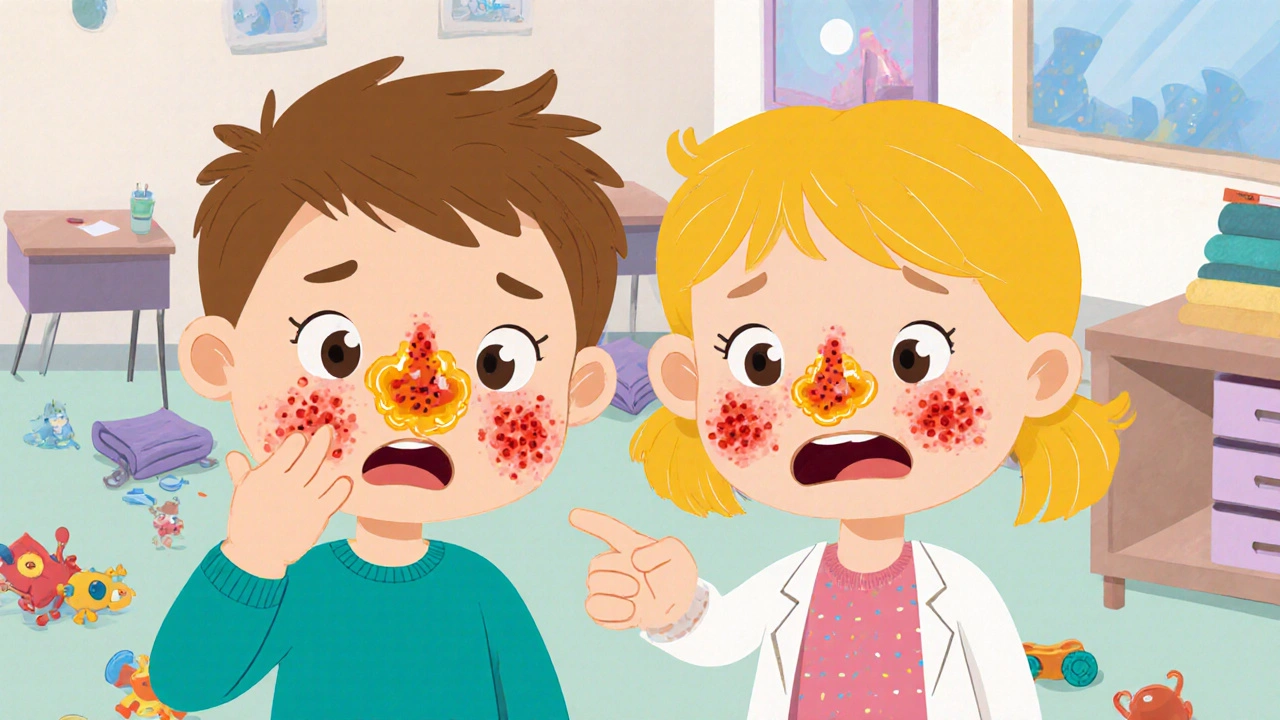
Impetigo and cellulitis are common bacterial skin infections with different symptoms and treatments. Learn how to tell them apart, which antibiotics work best, and when to seek urgent care.
View More