Amitriptyline Levels: What You Need to Know About Dosage, Testing, and Safety
When you take amitriptyline, a tricyclic antidepressant used for depression, chronic pain, and sleep issues. Also known as Elavil, it works by balancing brain chemicals—but its effects depend heavily on how much stays in your blood. That’s where amitriptyline levels, the concentration of the drug in your bloodstream come in. Too low, and it won’t help. Too high, and you risk serious side effects like irregular heartbeat, confusion, or seizures. Doctors don’t test these levels for everyone, but they’re critical if you’re not responding, having side effects, or taking other meds that interfere.
Therapeutic drug levels, the safe and effective range for a medication in the blood for amitriptyline usually fall between 100 and 250 nanograms per milliliter. But this isn’t a one-size-fits-all number. Age, liver health, and other drugs can change how fast your body breaks it down. For example, if you’re on certain antibiotics, like fluoxetine or paroxetine, that slow down liver enzymes, amitriptyline can build up dangerously. Even grapefruit juice or over-the-counter sleep aids can mess with your levels. That’s why tracking isn’t just about the dose you take—it’s about how your body actually processes it.
People with thyroid problems, heart conditions, or kidney disease often need level checks more often. If you’ve switched generic brands of amitriptyline, your levels might shift—even if the pill looks the same. Studies show that in patients with narrow therapeutic index drugs, medications where small changes in blood level cause big changes in effect or safety, switching generics without monitoring can lead to relapse or toxicity. That’s why keeping a medication journal, a daily log of symptoms, doses, and side effects helps your doctor connect the dots between your levels and how you feel.
You won’t always need a blood test for amitriptyline—but if you’ve had side effects, no improvement after weeks, or you’re on multiple meds, asking for a level check could be life-changing. It’s not magic. It’s science. And it’s the difference between guessing what’s wrong and knowing exactly what to fix.
Below, you’ll find real-world advice from people who’ve been there—how to spot warning signs, when to push for testing, and what to ask your doctor when your meds aren’t working like they should.
Therapeutic Drug Monitoring for Tricyclic Antidepressants: How to Prevent Deadly Toxicity
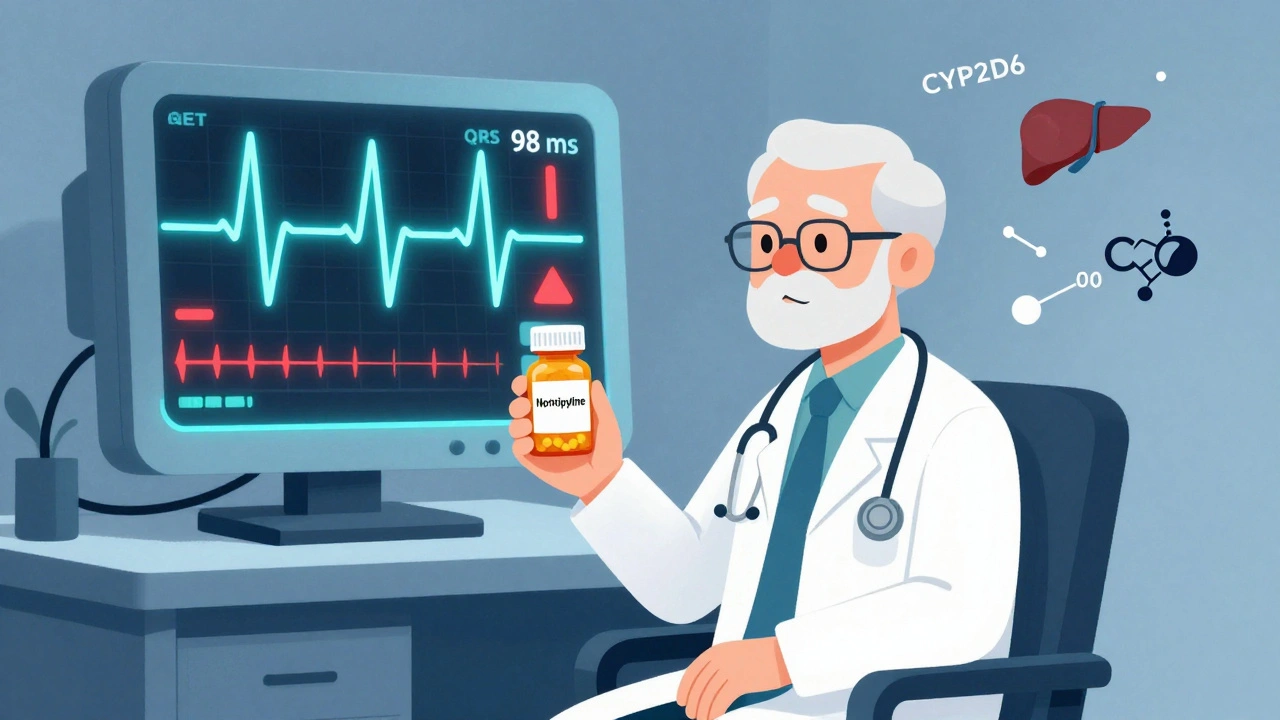
Therapeutic drug monitoring for tricyclic antidepressants prevents deadly toxicity by tracking blood levels, identifying dangerous interactions, and adjusting doses before heart or brain damage occurs. Essential for elderly patients and those on multiple medications.
View More