Acetaminophen Toxicity: Signs, Risks, and How to Stay Safe
When you take too much acetaminophen, a common pain reliever and fever reducer found in over 600 medications. Also known as paracetamol, it’s safe at recommended doses—but even a little extra can trigger liver damage, a silent, fast-moving injury that often shows no symptoms until it’s too late.
Most people don’t realize acetaminophen is hiding in cold meds, sleep aids, and prescription painkillers like oxycodone-acetaminophen combos. Taking two products at once? That’s how accidental overdose starts. The liver can only process so much at a time. Once it’s overwhelmed, toxic byproducts build up and start killing liver cells. You might feel fine for hours—or even a day—then suddenly get sick. Nausea, vomiting, sweating, and confusion can follow. By then, the damage is often severe. People with alcohol use disorder, malnutrition, or existing liver disease are at higher risk. But it can happen to anyone—even if you’ve taken it "just a few times" beyond the label.
Drug interactions make it worse. If you’re on seizure meds like phenytoin, TB drugs like isoniazid, or certain antidepressants, your body breaks down acetaminophen faster, creating more toxins. Alcohol? Even one drink while taking it raises your risk. And if you’ve ever had a bad reaction to a generic version, you’re not alone—contamination or inconsistent dosing in some generics has been linked to unexpected toxicity. There’s no antidote you can take at home. The only reliable fix is N-acetylcysteine, given in a hospital. That’s why timing matters: if you suspect an overdose, get help within eight hours. After that, survival drops fast.
What you can do? Always check the active ingredients on every bottle. Keep a medication log. Ask your pharmacist to review everything you take. Never combine painkillers unless your doctor says it’s safe. And if you’re ever unsure—call poison control or head to the ER. You don’t need to wait for symptoms. By the time you feel bad, it’s already too late.
Below, you’ll find real-world guides on reading labels, tracking meds, spotting dangerous combos, and avoiding hidden risks in everyday pills. These aren’t theoretical—they’re what people actually need to survive a system that assumes you know what’s in your medicine cabinet.
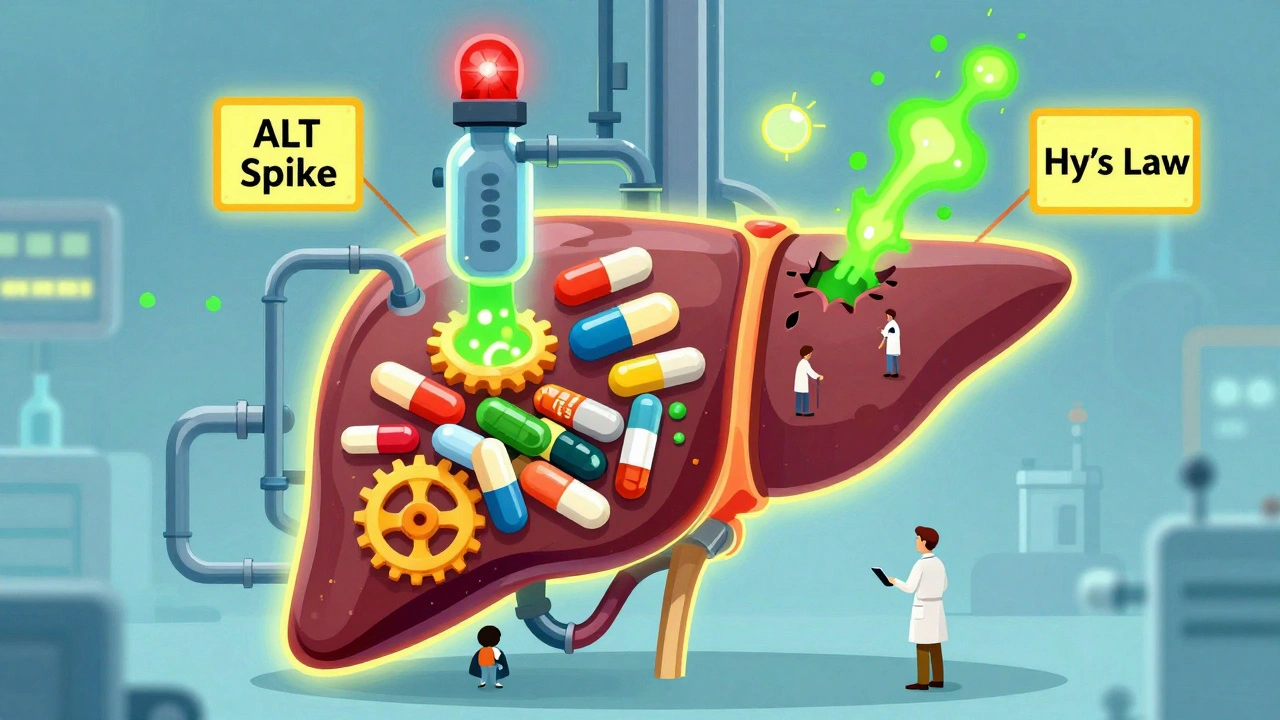
Drug-Induced Liver Injury: High-Risk Medications and How to Monitor Them
Drug-induced liver injury can be caused by common medications and supplements. Learn which drugs pose the highest risk, how to spot early signs, and what monitoring steps can prevent serious liver damage.
View MorePopular Posts

Nifedipine and Insomnia: Tips for Better Sleep
27 Mar 2025