
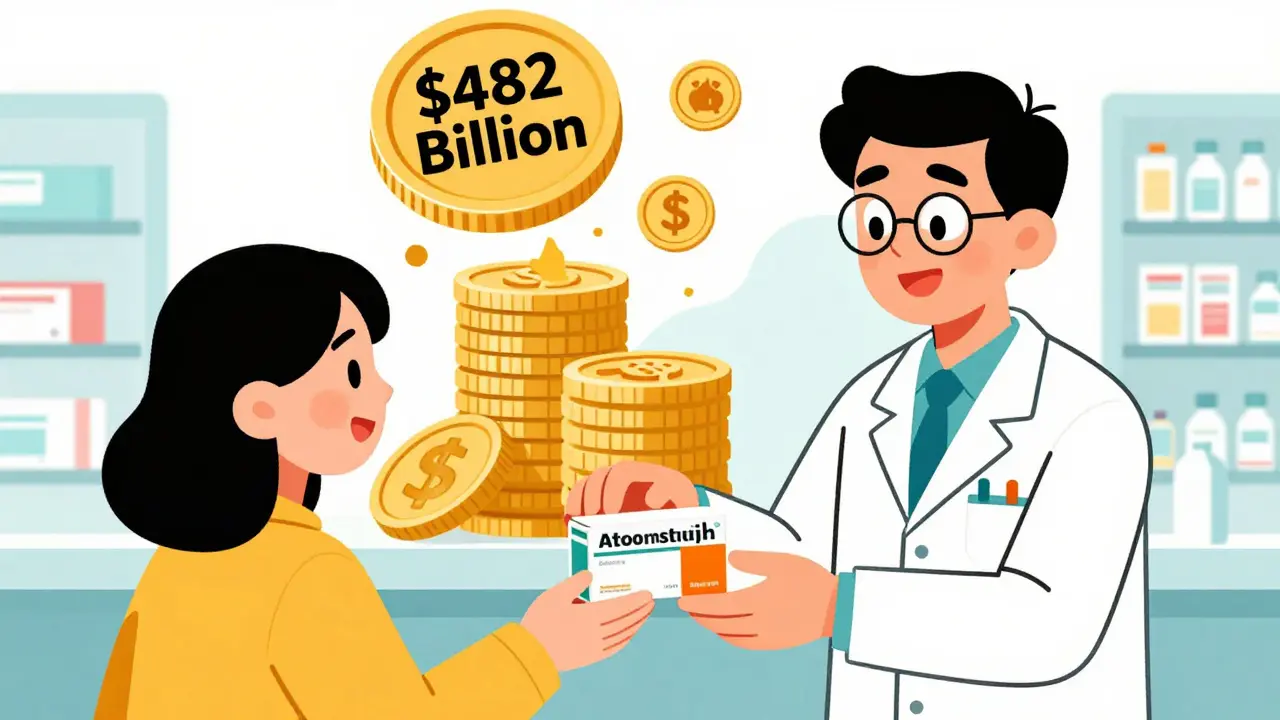
You fill a prescription for high blood pressure medication. The pharmacist hands you a box with a generic name, and your copay is $4 instead of $400. It feels like a small win, right? But that tiny transaction is part of a massive economic engine keeping the American healthcare system from collapsing under its own weight.
In 2024, generic drugs are medicines that have the same active ingredients, strength, dosage form, and route of administration as brand-name drugs but are sold at lower prices after patent expiration delivered a staggering $482 billion in savings to the U.S. healthcare system. That number isn’t just big; it’s the difference between solvency and crisis for millions of patients, insurers, and government programs. While brand-name drugs grab headlines with their breakthrough science and multi-billion-dollar marketing budgets, generics quietly handle 90% of all prescriptions filled in the country.
The Math Behind the Miracle: Volume vs. Value
To understand why generics matter so much, you have to look at the raw numbers. In 2024, Americans filled roughly 3.9 billion prescriptions for generic medicines. These accounted for only 12% of total prescription drug spending-about $98 billion. Compare that to brand-name drugs: they made up just 10% of prescriptions (435 million fills) but consumed 88% of the budget, totaling $700 billion.
This disparity creates a powerful lever for cost containment. When you swap a brand-name drug for its generic equivalent, you aren’t just saving money on one pill; you’re participating in a system-wide efficiency model. Since 2016, generics have consistently represented nine out of every ten prescriptions filled. Yet, their share of total spending has dropped from 27% in 2016 to just 12% in 2024. This means that even as more people take more medications, the total cost of generic drugs actually fell by $6.4 billion between 2019 and 2024. How is that possible? Competition. As more manufacturers enter the market for common conditions like hypertension or diabetes, prices drop precipitously.
| Metric | Generic Medications | Brand-Name Medications |
|---|---|---|
| Prescription Volume | 3.9 billion (90%) | 435 million (10%) |
| Total Spending Share | $98 billion (12%) | $700 billion (88%) |
| Average Cost Per Fill | ~$25 | ~$1,600 |
| System Savings Generated | $482 billion | N/A (Cost Driver) |
The data shows a clear pattern: volume drives generic usage, while exclusivity drives brand-name costs. For policymakers and health plan administrators, this means that maximizing generic utilization is the single most effective strategy for controlling overall pharmaceutical spend.
Biosimilars: The Next Frontier in Savings
If traditional generics are the workhorses of cost savings, biosimilars are biologic medical products highly similar to an already approved biologic reference product, used to treat chronic diseases like cancer, arthritis, and Crohn's disease are the heavy lifters entering the arena. Biologics are complex drugs made from living cells, making them harder and more expensive to produce than chemical generics. However, when patents expire, biosimilars can offer significant price reductions.
In 2024, biosimilar adoption was cited as the leading cost deflator for health plans for the third year in a row. Take Humira, once the world’s best-selling drug. Through private-label strategies and competitive pressure, Humira biosimilar uptake jumped from 3% to 28% in 2024 alone. This shift didn’t just save insurers money; it expanded access. Since 2015, biosimilars have supported approximately 3.3 billion days of patient therapy. More importantly, competition has enabled over 460 million incremental days of therapy that patients would not have received otherwise due to cost barriers.
Look at Stelara, a $6 billion biologic for autoimmune conditions. By late 2025, seven FDA-approved biosimilars entered the market at more than 80% less than the reference product. Once fully adopted in 2026, these Stelara biosimilars are projected to generate $4.8 billion in annual savings. This is the "next frontier" in pharmaceutical cost containment, potentially offsetting some of the growth in specialty drug spending, which is projected to reach $1.2 trillion by 2030.
The Hidden Threat: The Biosimilar Void
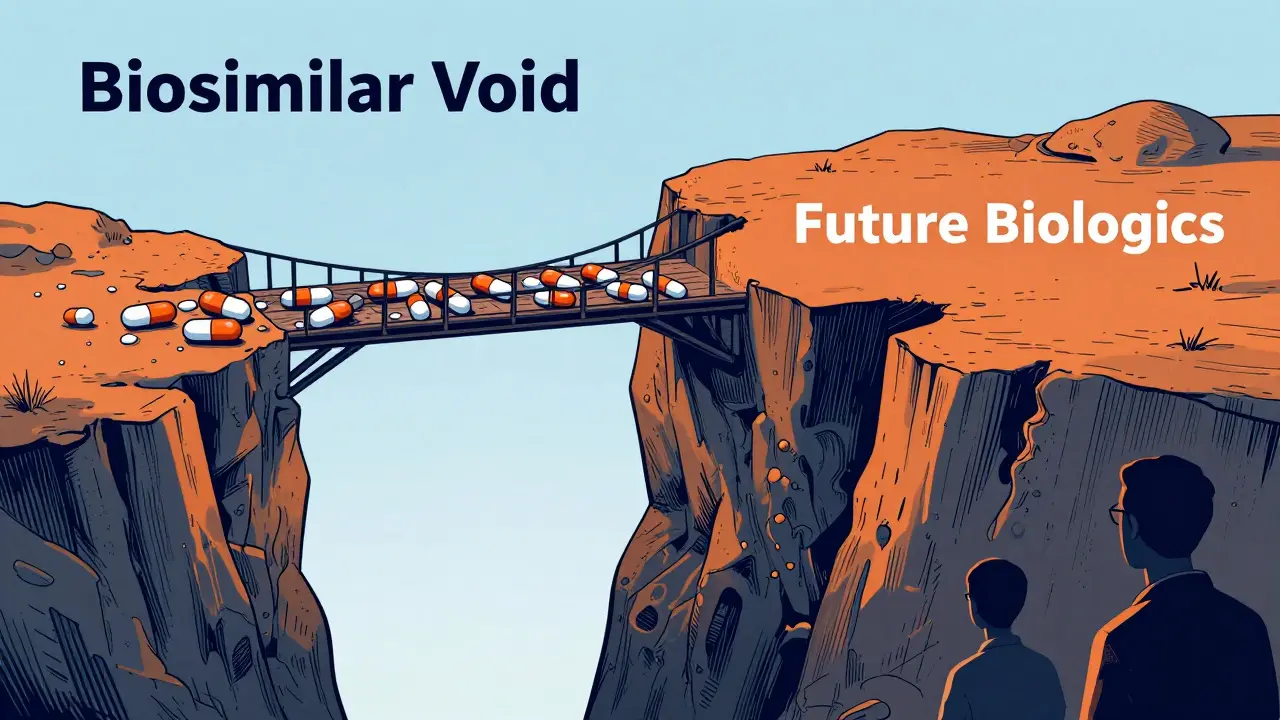
Despite these successes, there is a looming gap in the pipeline. The Association for Accessible Medicines (AAM) identifies a critical vulnerability they call the "biosimilar void." Over the next ten years, many brand-name biologics will lose patent protection. However, 90% of these upcoming expirations currently have zero biosimilar competition in development.
This lack of preparation represents a missed opportunity worth an estimated $234 billion in potential savings over the next decade. Why is this happening? Developing biosimilars is capital-intensive and technically challenging. Without regulatory incentives or guaranteed market access, fewer companies are willing to invest in creating alternatives for older biologics. If this trend continues, we risk seeing a future where high-cost biologics remain unchallenged long after their patents expire, eroding the savings we’ve fought hard to achieve.
Barriers to Entry: Pay-for-Delay and Patent Games
Savings don’t happen automatically. Brand-name manufacturers often employ strategies to delay generic competition. One notorious practice is "pay-for-delay," where brand companies pay generic manufacturers to stay out of the market. According to Blue Cross Blue Shield analysis, brand-name manufacturers spend an average of $1.2 billion per year in settlements to block low-cost generic entry. These agreements artificially maintain high prices, costing consumers and insurers billions annually.
Another barrier is therapeutic interchange confusion. Patients sometimes report frustration when pharmacists substitute different generic versions of a drug. While bioequivalence standards ensure safety and efficacy, variations in inactive ingredients can cause minor side effects or adherence issues for sensitive patients. Addressing this requires better communication between providers and patients, ensuring that switching to generics is seen as a safe, standard practice rather than a risky gamble.
Policy Levers: Medicare Negotiations and Price Caps
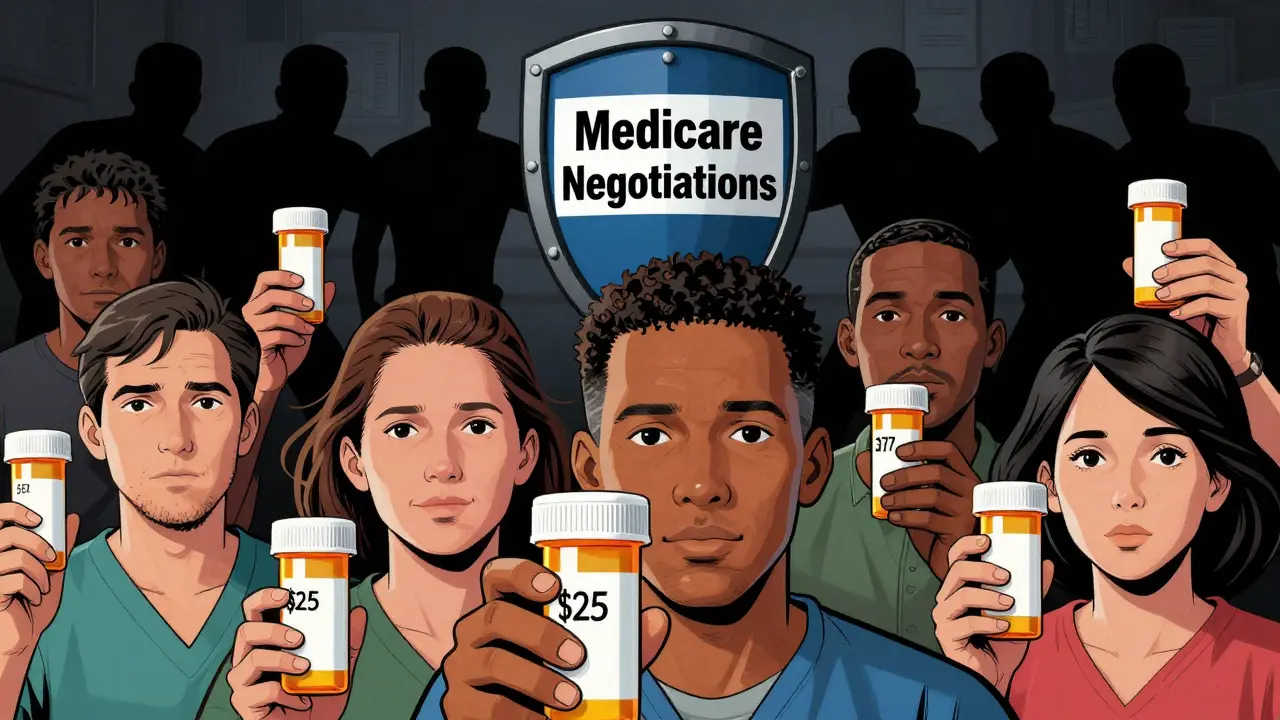
Government policy plays a crucial role in amplifying generic benefits. The Inflation Reduction Act introduced Medicare drug price negotiations, allowing the federal government to negotiate prices for certain high-cost drugs. The Congressional Budget Office projects that expanding these negotiations to 30 drugs per year starting in 2026 could generate $500-$550 billion in savings over a decade. If extended to Medicaid and commercial insurance, system-wide savings could exceed $1 trillion.
We also see targeted interventions working. Public scrutiny and Medicare initiatives drove Eli Lilly’s insulin price down from $275 to $25 per vial for non-branded insulin. Starting in 2025, CMS caps insulin costs at $35 per month for Medicare beneficiaries, with similar caps expanding to commercial insurance by 2027. These measures complement generic savings by addressing specific high-cost categories where competition alone hasn’t been enough.
Meanwhile, the White House’s Most-Favored-Nation pricing initiative aims to align U.S. drug prices with those in other OECD countries. Americans currently pay more than three times what other developed nations pay for the same brand-name medications. Agreements with major players like Eli Lilly and Novo Nordisk have already reduced monthly costs for Ozempic and Wegovy from over $1,000 to $350. While these are brand-name deals, they demonstrate the power of coordinated pricing pressure alongside generic availability.
Real-World Impact: Patient Stories and Financial Relief
Behind the billions are individual lives. GoodRx’s 2025 research found that almost 1 in 12 Americans carry medical debt directly attributable to prescription costs. For many, access to a generic alternative is the deciding factor between adhering to treatment and going without. A Reddit user in r/Pharmacy shared how switching to generic albuterol saved them $300 per month on asthma medication-a sum that allows them to afford rent or groceries instead of worrying about breathing.
CMS data reveals that less than 1% of Medicare beneficiaries who reach catastrophic coverage use only generic drugs. This suggests that high-cost brand-name medications are still the primary driver of financial ruin for seniors. Expanding generic utilization could prevent millions from falling into this trap. Dr. Aaron Kesselheim of Harvard Medical School notes that generics are "the single most effective mechanism for controlling pharmaceutical costs without compromising patient outcomes." His point underscores a vital truth: saving money doesn’t mean sacrificing quality.
What You Can Do: Maximizing Your Savings
As a patient, you have agency in this system. Here’s how to ensure you’re getting the full benefit of generic savings:
- Ask for generics explicitly. Don’t assume your doctor prescribed the cheapest option. Ask, "Is there a generic version available?"
- Check your pharmacy benefits manager (PBM). Some PBMs incentivize brand-name drugs through rebate structures. Understanding your plan’s formulary can help you choose the lowest-cost option.
- Use discount cards wisely. Tools like GoodRx can lower cash prices for generics, especially if you’re uninsured or have high deductibles.
- Discuss biosimilars with your specialist. If you’re on a biologic, ask if a biosimilar is appropriate for your condition. Many specialists are hesitant to switch unless prompted.
- Monitor for therapeutic changes. If a new generic causes issues, talk to your pharmacist. They may be able to lock you into a specific manufacturer to avoid variability.
Healthcare system savings aren’t just abstract economic concepts-they’re tangible relief for families struggling to make ends meet. By understanding the power of generics and biosimilars, you become part of the solution, helping to sustain a system that serves everyone, not just those who can afford premium prices.
Are generic drugs as effective as brand-name drugs?
Yes. The FDA requires generic drugs to be bioequivalent to their brand-name counterparts, meaning they must contain the same active ingredient, strength, dosage form, and route of administration. They undergo rigorous testing to ensure they perform identically in the body. Any differences are limited to inactive ingredients, which rarely affect efficacy.
Why are biosimilars more expensive than traditional generics?
Biosimilars are copies of complex biologic drugs made from living cells, whereas traditional generics are chemically synthesized. Manufacturing biologics requires sophisticated facilities and strict quality controls, making production more costly. However, biosimilars still offer significant discounts-often 30-80% off-compared to reference biologics.
What is the "biosimilar void" and why should I care?
The "biosimilar void" refers to the lack of biosimilar competition in development for 90% of biologics losing patent protection in the next decade. This matters because it threatens $234 billion in potential savings. Without intervention, patients may face continued high costs for essential treatments despite patent expirations.
How do "pay-for-delay" agreements hurt consumers?
Pay-for-delay agreements involve brand-name manufacturers paying generic competitors to delay market entry. This extends monopoly pricing, forcing consumers and insurers to pay higher prices for longer. These practices cost billions annually and reduce access to affordable medications.
Can my doctor refuse to prescribe a generic drug?
Doctors can write prescriptions with "dispense as written" or "brand medically necessary" if they believe a generic is unsuitable for a specific patient. However, this is rare. Most physicians prefer generics due to cost-effectiveness. Always discuss any concerns with your provider to ensure you receive the most appropriate and affordable treatment.
10 Comments

Jerry Mathews
June 7 2026
Hey everyone, just wanted to chime in. This is super helpful stuff. I’ve been struggling with high copays for my dad’s meds, and knowing that generics are so much cheaper gives me hope. Maybe we can all push our doctors to prescribe them more often. Let’s keep the conversation going and help each other out! 👍

Lenny Cruz
June 9 2026
Ah, the simplistic narrative of 'generic good, brand bad.' How quaint. You ignore the R&D costs, the clinical trial risks, and the sheer innovation that brand-name drugs represent. Without those multi-billion dollar investments, there would be no 'generics' to copy. It’s not just about price; it’s about progress. And frankly, most people don’t understand the pharmacokinetic nuances anyway.

Aswin Narayan J
June 9 2026
Listen up, folks. In India, we’ve been dealing with generic drug affordability for decades. The US is late to the party. The 'pay-for-delay' tactics mentioned here are criminal. Pharma giants should be held accountable, not coddled by weak regulations. If you think this is complex, try navigating the healthcare system without insurance. Wake up!

Jonathan Paul
June 10 2026
its not just about money tho. its about the soul of healthcare. when we commodify health like this, we lose something essential. the biosimilar void is a metaphor for our collective moral decay. why do we accept this? because we are complicit. we must question the very foundations of this system. otherwise, we are just consumers in a meat grinder.

Roderick Gooden
June 12 2026
I have to agree with the points raised here, but I also think we need to look at the broader picture. The savings are significant, yes, but what about the quality control? What about the supply chain vulnerabilities? We cannot simply focus on cost containment without considering the potential risks involved in switching to generic alternatives en masse. It is a delicate balance that requires careful consideration and robust regulatory oversight to ensure patient safety is never compromised.

ANGELA CHINENYE
June 12 2026
The data presented is compelling. However, patients should verify bioequivalence standards with their pharmacists. Do not assume all generics are identical in inactive ingredients. Consult your healthcare provider before making changes. Safety first.

Wendy Engelmann
June 14 2026
It’s interesting how the article frames this as a miracle. Is it really a miracle, or just basic economics finally catching up? The biosimilar void suggests that market forces alone aren’t enough. We need policy intervention. Otherwise, we’re just delaying the inevitable crisis.

Alexandre Desbiens
June 16 2026
This analysis provides a clear overview of the economic impact of generic drugs. The distinction between traditional generics and biosimilars is crucial. Biosimilars, being derived from living cells, present unique manufacturing challenges. Therefore, the lack of competition in the biosimilar sector is a significant concern. Regulatory bodies must encourage innovation while ensuring affordability.

Jennifer Legore
June 16 2026
What an inspiring read! 🌟 The potential for savings is enormous, and it empowers us to take charge of our health expenses. Let’s spread the word! Ask your doctor for generics, use discount cards, and support policies that promote affordability. Together, we can make healthcare accessible for all! 💪✨ #AffordableCare #GenericPower
Write a comment
Popular Posts

How Pets Help People Recover from Illness
6 Oct 2025

Aishwarya Thankachan
June 7 2026
This article is a goldmine of info! 💰📊 The $482B savings figure is mind-blowing. But let's be real, the 'biosimilar void' 😱 is where the real drama is. Why are pharma companies sitting on their hands? It’s like they’re playing 4D chess with our healthcare system ♟️. We need more transparency in these patent games! 🕵️♀️ #HealthcareReform #GenericDrugs