
Medication Interaction & Risk Profile
Patient Parameters
Result
Select options above and click "Check Risk Level".
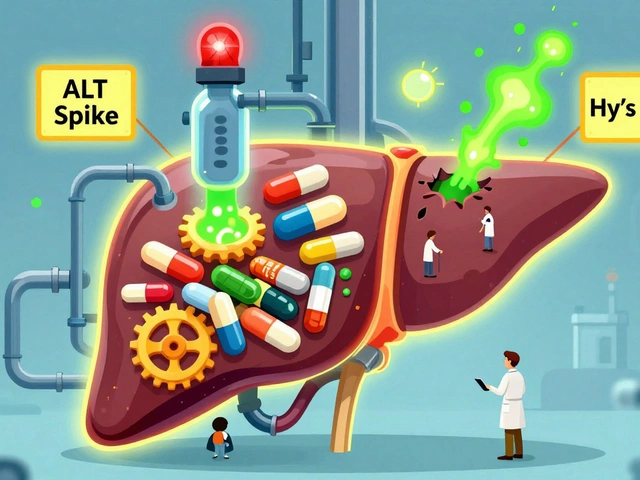
Mixing certain medications for pain can quietly become dangerous. Many people assume that adding one type of painkiller to another just helps control discomfort better. However, combining gabapentinoidsmedications including gabapentin and pregabalin used for nerve pain and seizures with opioids creates a hidden threat to your breathing. In 2019, major health regulators issued urgent warnings about this specific combination. You might wonder why two common drugs would cause such trouble. It comes down to how they work together on your brain stem and airway muscles.
This interaction isn't theoretical. Health agencies reviewed thousands of reports to find real cases where breathing slowed too much. Some cases led to death. If you take these medicines, understanding the mechanics of this risk is vital for your safety.
Key Safety Points
- Gabapentinoids mixed with opioids increase the risk of severe breathing problems significantly.
- The FDA and UK MHRA have officially warned doctors and patients about this side effect since 2019.
- People with kidney issues, older adults, and those with lung disease face higher dangers.
- Doctors recommend starting doses low and monitoring closely if both drugs are necessary.
- Some evidence suggests gabapentinoids alone can also depress breathing in rare instances.
What Are Gabapentinoids?
Before discussing the risks, we need to know what these medicines actually are. Gabapentinoids belong to a class of drugs originally designed to treat epilepsy. Over time, doctors discovered they helped manage neuropathic pain effectively. The two most common versions you will encounter are gabapentina common brand-name medication sold under names like Neurontin used for seizures and nerve pain and pregabalina related medication often sold as Lyrica used for fibromyalgia and nerve pain.
While they are structurally similar to gamma-aminobutyric acid (GABA), they do not bind directly to GABA receptors. Instead, they attach to calcium channels in the nervous system. This action calms overactive nerves that send pain signals. Because they affect the central nervous system, they share properties with other sedating medications. When taken alone, they generally have a safety profile similar to many other non-opioid treatments. Problems arise when you introduce another powerful depressant into the mix.
How the Dangerous Interaction Works
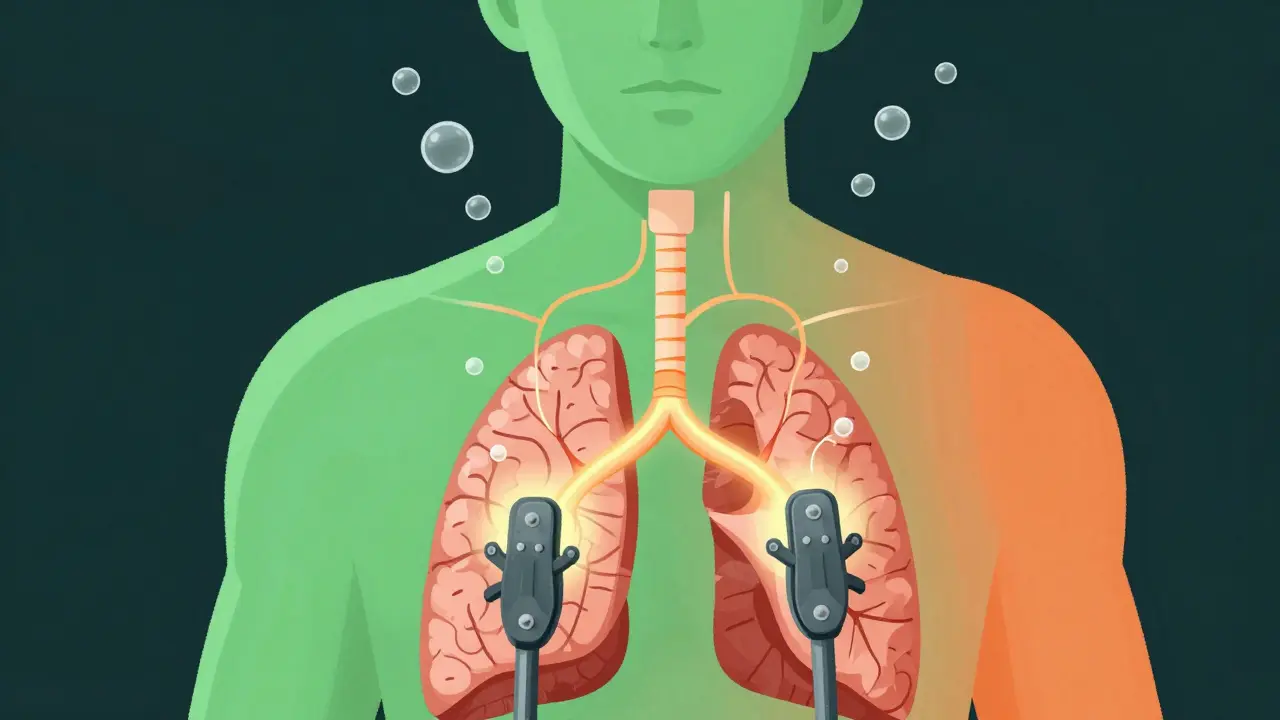
You might feel safer knowing exactly how these drugs hurt you. The term "additive respiratory depression" sounds technical, but the concept is straightforward. Think of your breathing drive like a gas pedal controlled by your brain. Opioids press the brake on this pedal. They reduce the urge to breathe deep enough or fast enough. Gabapentinoids also push the brake, though often less aggressively.
When you combine them, the brakes get pushed twice. Your body receives conflicting signals. Studies show that end-tidal CO2 rises when volunteers took both medications together. Rising carbon dioxide levels in the blood indicate that breathing has become inefficient. In some trials, healthy men experienced more apneic episodes-pauses in breathing-during sleep after taking just a single dose of gabapentin. Adding an opioid makes this much worse.
There is also a pharmacokinetic factor here. Opioids slow down your gut. Since gabapentin is absorbed primarily in the upper small intestine, a slower gut means the drug stays there longer. This increases the amount of drug entering your bloodstream unexpectedly. Suddenly, you have more medicine in your system than intended, heightening the sedative effects.
Data From Recent Studies
Is this just a rare occurrence? Regulatory bodies analyzed real-world data to answer that question. Between 2012 and 2017, the FDA's Adverse Event Reporting System found 49 cases linked specifically to gabapentinoids causing respiratory issues. Of those, nearly every single one involved a patient with a pre-existing risk factor or someone taking another calming drug at the same time.
A large population study published in PLOS Medicine looked at over 16 years of prescribing patterns. They found that patients prescribed both opioids and gabapentin had a 50% higher risk of dying from opioid-related causes compared to those on opioids alone. If the dose of gabapentin was very high, the risk of death almost doubled. These aren't small numbers. They represent thousands of prescriptions given in primary care settings annually.
| Attribute | Gabapentin | Pregabalin |
|---|---|---|
| Brand Names | Neurontin, Gralise | Lyrica, Lyrica CR |
| Primary Absorption Site | Upper Small Intestine | Stomach and Upper Gut |
| Renal Clearance Needed | Creatinine clearance <70 mL/min | Creatinine clearance <60 mL/min |
| Tolerance Build-up | Common with long-term use | Possible, varies by individual |
| Known Interactions | Opioids, Benzos | Opioids, Alcohol |
Identifying Your Risk Factors
Not everyone taking these medicines faces the same danger. Certain conditions make the mixture much deadlier. Age is a huge factor. Older adults naturally lose lung function over time. Their kidneys also process drugs slower. If your creatinine clearance is low, the medication builds up in your blood instead of being filtered out.
Chronic lung diseases like COPD or asthma mean your respiratory reserve is already limited. Adding a drug that suppresses the drive to breathe leaves you with no backup capacity. Obesity plays a role too, especially if it contributes to sleep apnea. Weight gain is a known side effect of pregabalin treatment, affecting up to one in four patients. Gaining weight while on the drug can worsen obstructive sleep apnea, further complicating breathing patterns at night.
Surgical settings add another layer of complexity. Postoperative pain management often uses multimodal analgesia. While the goal is to spare opioids, using gabapentinoids alongside remaining opioid prescriptions has shown varying results in preventing pain without eliminating respiratory risk. In cardiothoracic surgery, the prevalence of opioid-induced respiratory depression can reach 17%, which is significantly higher than general outpatient procedures.
Safety Guidelines and Monitoring
If your doctor prescribes both types of medication, you need a safety plan. The Medical Letter and other health experts agree on starting low. Begin with the lowest effective dose of gabapentinoids and increase slowly. Never adjust the dosage yourself without medical supervision.
Watch for specific warning signs. Slurred speech, extreme drowsiness, or difficulty waking up are red flags. If you or a caregiver notice shallow breathing or pauses between breaths, seek help immediately. Regular monitoring of kidney function is essential because these drugs rely on renal excretion. If kidney function declines, the dose must drop accordingly to prevent toxicity.
Consider alternatives if available. For acute pain, sometimes NSAIDs or local anesthetics offer relief without hitting the same nerve pathways. Always discuss the necessity of continuing both drugs. Sometimes, tapering one medication can eliminate the risk entirely without losing pain control.
Frequently Asked Questions
Can gabapentin cause breathing problems on its own?
Yes, although it is rare. Most cases involve patients with existing lung issues or very high doses. However, the risk multiplies dramatically when combined with opioids or alcohol.
Why do kidneys matter for this interaction?
Your kidneys filter gabapentin and pregabalin. If they are weak, the drug stays in your body longer, increasing the sedative effect and the chance of accidental overdose or breathing suppression.
Is there a safe way to take both medications?
Safely managing both requires strict medical supervision. Start with minimal doses, avoid alcohol completely, and monitor for early signs of sedation or breathing changes.
Did the FDA ban these combinations?
No, they are not banned. The FDA issued a safety update requiring label changes. Doctors must now inform patients about this risk explicitly before starting treatment.
What symptoms should alert me to immediate danger?
Look for unusual sleepiness, confusion, slow heart rate, or blue tint on lips. Any pause in breathing warrants immediate emergency attention.
12 Comments

Tony Yorke
March 28 2026
Important stuff everyone should read carefully before taking meds.

kendra 0712
March 29 2026
I totally agree!!! This information is crucial!!! We need to spread awareness everywhere!!! Thank you for sharing!!
Stay safe!!!

tyler lamarre
March 30 2026
Most people already know this and still die because they are stupid enough to ignore basic medical advice
The FDA warned years ago but nobody listens to experts anyway
Pure ignorance drives the mortality stats up every single year
Wake up people it is not hard chemistry

Richard Kubíček
April 1 2026
It is interesting how people overlook these dangers until it is too late.
We see statistics everywhere yet complacency remains high among the population.
Medical professionals have warned us repeatedly about the interaction risks involved here.
The mechanism involves slowing down the brain stem function during rest periods.
Many patients simply ignore the labels on their prescription bottles completely.
Safety protocols suggest starting low and going slow when combining these agents.
Older adults face much higher risks due to their changing metabolism rates.
Kidney function plays a massive role in clearing these substances from the body too.
Respiratory depression can happen silently while you are sleeping soundly at night.
Carbon dioxide levels rise significantly when breathing becomes inefficient for us.
Doctors recommend monitoring pulse oximetry if dual therapy is absolutely required.
Family members should also understand the signs of shallow breathing patterns.
Education is the only shield we have against preventable medication fatalities.
We must respect the pharmacology involved rather than treating pills casually.
Every dose counts toward your long term health safety record forever.

Rachael Hammond
April 2 2026
i dont know why everyone gets so mean about thier own choices
safety is important tho and we shud listen
cuz ignoring side effects cant be good for anyone in teh long run

Devon Riley
April 3 2026
This is such vital information for our community 😌
Please prioritize your health and talk to your doctor regularly 💙
We all deserve to stay safe and well 🛡️
Sharing knowledge helps us protect each other 🤝

Jeannette Kwiatkowski Kwiatkowski
April 4 2026
Observe the pathetic reliance on external regulation instead of personal agency in your argument
Your comprehensive analysis fails to consider individual metabolic variance adequately
Such broad generalizations ignore the nuance inherent in clinical pharmacokinetics
One wonders why you fail to critique the source material more rigorously
Clearly a lack of critical depth pervades this entire discourse unfortunately

Rohan Kumar
April 5 2026
Big Pharma wants us weak and dependent on their chemicals 🧪💉
They push combos so you never wake up fully awake 🤥
The real studies are buried by corporate interests deep underground 🕵️♂️
Just another way to control the masses through fear tactics 📢🚫
Keep drinking the Koolaid folks it works every time 🍼😈

Tommy Nguyen
April 6 2026
Fear does help sometimes though
Good to see people talking about risks honestly
Stay aware and take care always

Kameron Hacker
April 8 2026
The aggregate data presented indicates a significant systemic failure in patient education protocols.
Clinicians must adopt stricter adherence guidelines immediately to mitigate adverse outcomes.
Legislative intervention may be necessary to enforce mandatory counseling for co-prescriptions.
We cannot afford further preventable fatalities resulting from negligence.
Accountability must be enforced across all levels of medical practice without exception.

Poppy Jackson
April 9 2026
The stakes couldnt possibly be higher
We are fighting for lives here
One wrong breath could end everything forever
This is truly terrifying
We must act now!


Paul Vanderheiden
March 27 2026
i think its super important for people to read this kind of info especially if they take these drugs daily i hope everyone stays safe and healthy and takes care of their meds the right way
great post here really useful stuff