
Medication Dry Eye Risk & Relief Planner
Select Your Medications
Check the categories of prescriptions you are currently taking.
Your Analysis
Select your medications to see your dry eye risk profile and personalized treatment plan.
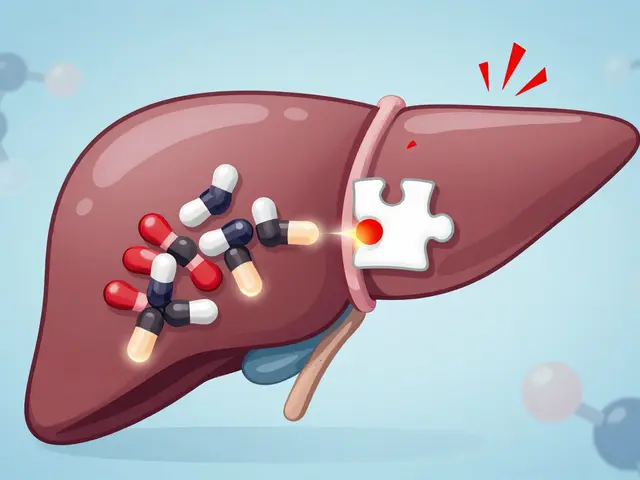
Does your prescription medication list include blood pressure pills, antidepressants, or allergy relief? If so, you might be staring at a gritty, burning sensation in your eyes that has nothing to do with screen time. This isn't just fatigue. It is likely medication-induced dry eye, a condition where pharmaceutical treatments disrupt the natural tear production or composition of your ocular surface. According to recent data from the Tear Film and Ocular Surface Society (TFOS), approximately 25-30% of all dry eye cases are directly linked to medications. For patients over 65, who often manage multiple prescriptions simultaneously, this figure jumps to 40%. You are not imagining it, and you are not alone. The good news is that while you may not always be able to stop taking your life-saving meds, you can effectively manage the side effects through targeted lubrication and specific lifestyle adjustments.
How Medications Steal Your Tears
To fix the problem, you first need to understand the mechanism. Dry eye disease induced by medications typically manifests through four primary pathways. First, many drugs have anticholinergic effects, which block the nervous system signals that tell your lacrimal glands to produce tears. Second, some medications cause glandular changes that impair the meibomian glands, tiny oil-producing structures along your eyelid margins responsible for the lipid layer of your tears. Without this oil layer, your tears evaporate too quickly. Third, systemic dehydration occurs when medications like diuretics promote fluid loss throughout the body, including the eyes. Finally, some drugs introduce irritants or alter tear composition, leading to instability.
Identifying the culprit is step one. Common offenders include:
- Antihistamines: Diphenhydramine (Benadryl), loratadine (Claritin), and cetirizine (Zyrtec) reduce mucus production.
- Antidepressants: Amitriptyline, sertraline (Zoloft), and fluoxetine (Prozac) are frequently cited in patient reports for causing severe ocular dryness.
- Blood Pressure Medications: Beta-blockers like metoprolol and diuretics like hydrochlorothiazide reduce tear volume.
- Anti-acne Drugs: Isotretinoin (Accutane) is notorious for shutting down meibomian gland function.
- Glaucoma Eye Drops: Drops containing benzalkonium chloride (BAK) preservative, such as latanoprost, cause burning and dryness in up to 47% of users due to preservative toxicity.
The Gold Standard: Lubrication Strategies
When it comes to treating medication-induced dry eye, not all eye drops are created equal. In fact, using the wrong type can make things worse. Ophthalmologists strongly recommend preservative-free artificial tears used 4-6 times daily. Preservatives in standard multi-dose bottles can accumulate on the ocular surface, causing additional irritation and inflammation, especially if you are using them more than four times a day.
If you use glaucoma medications, timing is critical. Clinical studies conducted by Richmond Eye Associates show that applying preservative-free artificial tears 15 minutes before and after your glaucoma drops can improve symptoms by 78%. This buffer period prevents the artificial tears from washing away the therapeutic medication while neutralizing potential irritants.
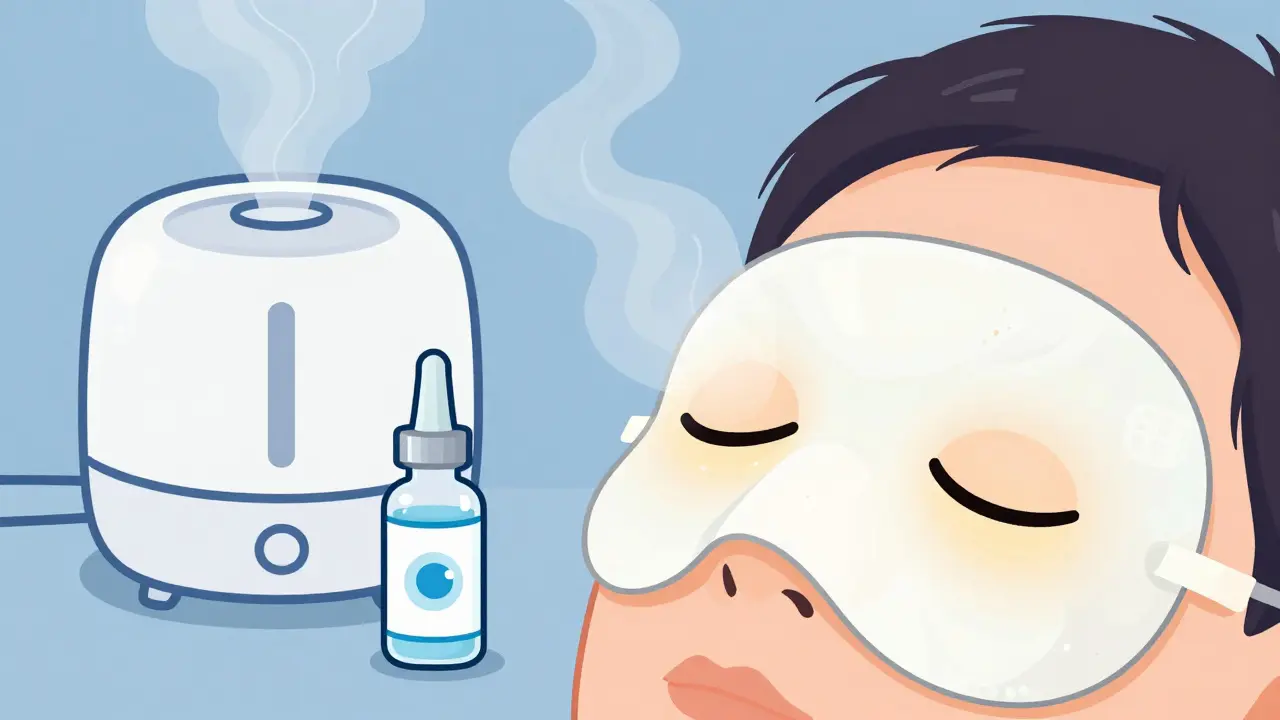
For those whose medications cause glandular changes, such as isotretinoin, warm compress therapy is essential. Applying a warm compress for 10-15 minutes twice daily, followed by gentle lid massage, improves meibomian gland function in 65% of cases. This physical therapy helps liquefy the hardened oils trapped in your glands, allowing them to flow back into your tear film.
| Treatment Type | Best For | Key Benefit | Onset of Relief |
|---|---|---|---|
| Preservative-Free Artificial Tears | Daily maintenance, mild to moderate dryness | Immediate hydration without chemical irritation | Instant |
| Warm Compresses & Lid Massage | Meibomian Gland Dysfunction (MGD) | Restores lipid layer to prevent evaporation | 2-4 weeks |
| Cyclosporine (Restasis/Cequa) | Chronic inflammation, low tear production | Increases tear production by 15-20% | 3-6 months |
| Punctal Plugs | Severe dryness, failed conservative therapy | Blocks drainage, increases tear volume by 40-50% | 1-2 weeks |
Lifestyle Tweaks That Actually Work
Lubrication is only half the battle. How you live your day significantly impacts how fast your tears evaporate. Here are concrete, evidence-based lifestyle modifications that yield results.
Control Your Environment: Low humidity is the enemy of dry eyes. Increasing environmental humidity to 40-60% using a humidifier reduces tear evaporation by 25%, according to WebMD-cited studies. Place the humidifier near your bed or desk. Additionally, avoid direct airflow from car vents, fans, or air conditioning units. Maintaining airflow below 0.15 m/s near your face can reduce tear evaporation by 30%.
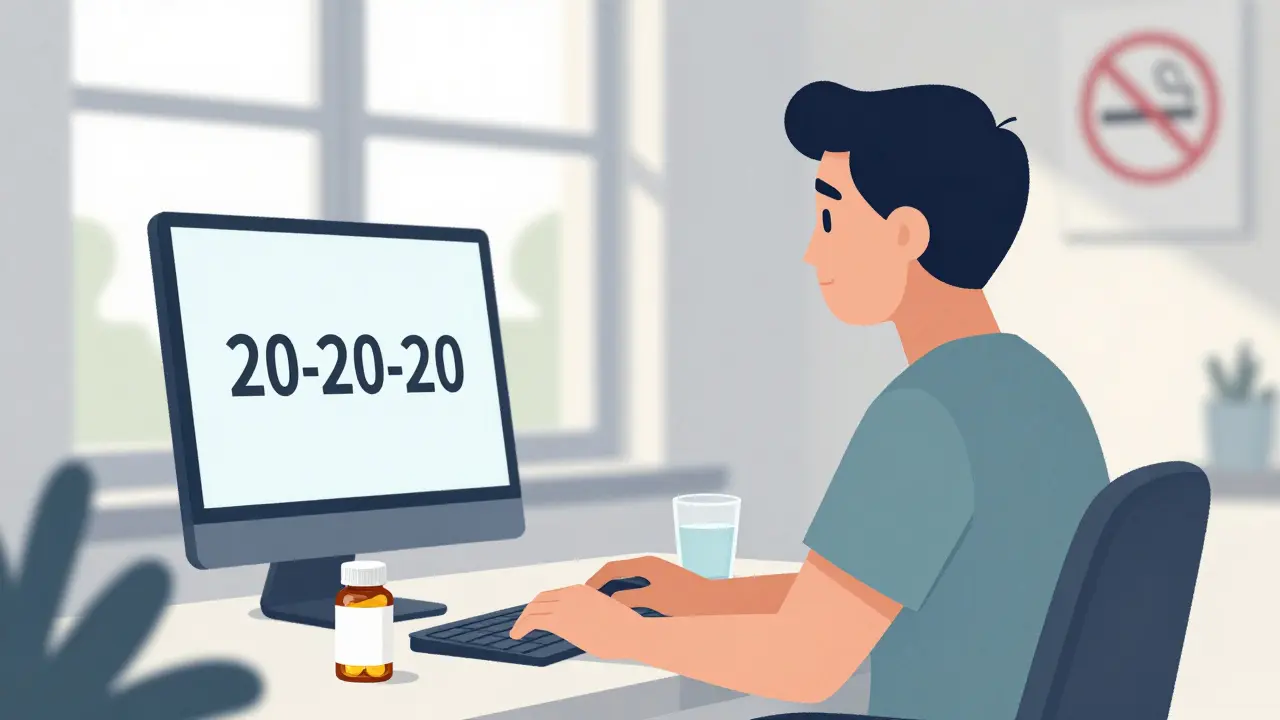
Master the 20-20-20 Rule: If you take antihistamines or antidepressants, your blink rate likely drops when you focus. Implement the 20-20-20 rule: every 20 minutes, look at something 20 feet away for 20 seconds. This simple habit reduces digital eye strain symptoms by 35% in patients on these medications.
Nutritional Support: Dietary supplementation with omega-3 fatty acids (1,000-2,000 mg daily of EPA/DHA) improves tear film stability in 60% of patients within three months. This is particularly beneficial for those taking diuretics, as it helps counteract systemic dehydration effects on the ocular surface.
Quit Smoking: If you smoke, this is non-negotiable. Tobacco smoke exacerbates dry eye symptoms by 45% in medication users. The good news? Improvement is typically seen within just 2-4 weeks of quitting, making it one of the fastest-acting lifestyle changes available.
When to Escalate: Prescription and Procedural Options
If over-the-counter drops and lifestyle changes aren't enough, it is time to talk to an ophthalmologist. Do not wait until your vision blurs constantly. Prescription options include cyclosporine ophthalmic emulsion (Restasis) or lifitegrast ophthalmic solution (Xiidra). Restasis increases tear production by 15-20% after six months of consistent use, while Xiadra reduces symptoms by 30% in clinical trials.
For severe cases, punctal plugs offer a mechanical solution. These tiny devices block the tear drainage ducts, keeping your natural and artificial tears on the eye longer. Temporary collagen plugs show 70% efficacy for 3-6 months, serving as a great test run before committing to permanent silicone plugs, which provide long-term relief by increasing tear volume by 40-50%.
Newer innovations are also emerging. The FDA approved Cequa, a preservative-free cyclosporine formulation with nanomicellar technology, in January 2023. This technology increases bioavailability by 300% compared to previous formulations, offering hope for patients who did not respond to older versions.
The Crucial Step: Medication Review
Before adding more drops or procedures, consult your prescribing physician. Dr. Vicente Diaz, MD, MBA, notes that doctors may suggest changing the medication type or dosage rather than simply masking symptoms with lubricants. While complete discontinuation isn't always possible-especially for blood pressure or mental health medications-dose reduction can alleviate symptoms in 55% of cases. Never stop taking prescribed medication abruptly; instead, seek a coordinated plan between your primary care provider and an eye care specialist.
Can I reverse medication-induced dry eye permanently?
In 70-80% of cases where the offending medication can be substituted or discontinued, symptoms can be reversed and further deterioration prevented. However, if you must continue the medication, management becomes a long-term strategy focusing on symptom control rather than cure.
Why are preservative-free drops better?
Preservatives like benzalkonium chloride (BAK) kill bacteria but also damage the ocular surface cells over time. If you use drops more than four times a day, the preservative accumulates, worsening inflammation. Preservative-free single-dose vials eliminate this risk.
How long does it take for Restasis to work?
Patience is key. Restasis works by reducing inflammation to allow lacrimal glands to function again. Initial improvement may be felt in 2-4 weeks, but full therapeutic effect typically takes 3-6 months of consistent, twice-daily use.
Do omega-3 supplements really help?
Yes, specifically high-quality fish oil containing EPA and DHA. Studies show that 1,000-2,000 mg daily improves tear film stability in 60% of patients within three months. It is most effective for those whose medications cause systemic dehydration or glandular issues.
What if I am on Accutane (isotretinoin)?
Isotretinoin severely impacts meibomian glands. Standard drops often fail. A combination of aggressive warm compress therapy, preservative-free lubricants, and potentially advanced treatments like iLux thermal pulsation therapy is usually required. Consult a specialist familiar with acne medication side effects.
Popular Posts


How Exercise Improves ADHD Symptoms
1 Oct 2025