Yoga for ADHD: How Movement Helps Focus and Calm the Mind
When you have yoga for ADHD, a structured physical and mental practice that combines movement, breath control, and mindfulness to support attention and emotional regulation. Also known as mindful movement therapy, it’s not a cure—but for many, it’s the missing piece in daily symptom management. Unlike medication that targets brain chemistry, yoga works through the body to quiet the nervous system. Studies show regular practice can improve impulse control, reduce restlessness, and help with emotional swings—without side effects.
It’s not about doing perfect poses. It’s about showing up, breathing through distraction, and learning to notice when your mind races—and gently bringing it back. That’s the core skill ADHD brains need: attention regulation. mindfulness for attention, the ability to stay present and observe thoughts without reacting, is built into every yoga session. A 10-minute routine of child’s pose, cat-cow, and deep breathing can reset an overstimulated brain faster than scrolling or caffeine. And unlike pills, it’s free, accessible, and builds over time.
exercise and ADHD, physical activity shown to boost dopamine and norepinephrine levels, key neurotransmitters often low in ADHD, is one of the most effective non-drug tools. Yoga isn’t just cardio—it’s targeted movement that trains focus. Holding a balance pose isn’t just about strength; it’s a real-time test of concentration. Every wobble teaches the brain to refocus. For kids, teens, and adults, this repetition builds neural pathways that make staying on task easier outside of class too.
You don’t need a studio or fancy gear. A mat, 15 minutes, and a quiet corner are enough. Many people with ADHD struggle with consistency, so starting small matters. Try two poses after breakfast. Or do a breathing exercise before bed to wind down. The goal isn’t to become a yogi—it’s to find one tool that helps you feel more in control. And when you pair yoga with good sleep, regular meals, and clear routines, the effects stack up.
What you’ll find below are real stories and practical guides from people who’ve used yoga to manage ADHD symptoms—some alongside medication, some without. You’ll see how others adapted poses for restless energy, used timers to stay on track, and turned breathwork into a go-to tool during panic moments. No fluff. No hype. Just what works, day after day.
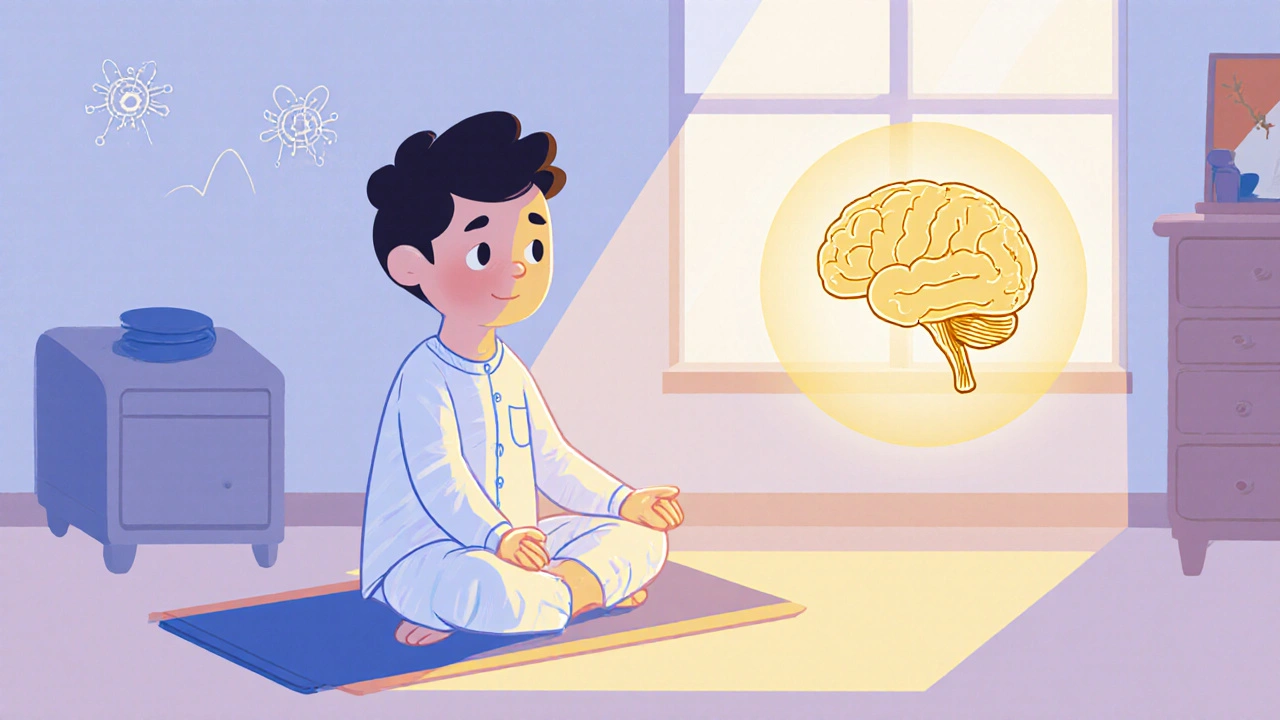
Atomoxetine and Yoga: How Combining Medication and Mindfulness Can Improve ADHD Focus
Atomoxetine and yoga work together to improve ADHD focus-atomoxetine stabilizes brain chemistry, while yoga trains attention and reduces mental clutter. Learn how combining both can lead to lasting results.
View MorePopular Posts

Nifedipine and Insomnia: Tips for Better Sleep
27 Mar 2025