
Sensorineural Hearing Loss: Causes, Management, and What You Need to Know
When your hearing fades not because of earwax or infection, but because the tiny hair cells in your inner ear or the nerves sending signals to your brain are damaged, that’s sensorineural hearing loss, a type of permanent hearing loss caused by damage to the cochlea or auditory nerve. Also known as nerve deafness, it’s the most common form of long-term hearing loss, affecting over 90% of people with permanent hearing issues. Unlike conductive hearing loss—where sound can’t reach the inner ear—sensorineural hearing loss means the signal gets scrambled or lost before it even reaches your brain.
This isn’t just about aging. While it’s common in older adults, it can strike at any age. Loud noise exposure, like concerts, construction, or even headphones turned up too high, can kill those delicate hair cells in the cochlea. Genetics play a role too—some people are just more vulnerable. Certain medications, like high-dose aspirin, some antibiotics, or chemotherapy drugs, can also trigger it. Even conditions like Meniere’s disease or autoimmune disorders can attack the inner ear. And when the auditory nerve itself is damaged—say, from a tumor or head injury—you’re dealing with sensorineural hearing loss too.
It doesn’t always show up as complete deafness. Often, it’s muffled speech, trouble understanding conversations in noisy rooms, or ringing in the ears—tinnitus, a common symptom linked to sensorineural hearing loss, often described as ringing, buzzing, or hissing in the ears. You might hear okay, but the words don’t make sense. That’s because your brain isn’t getting the full signal. And here’s the thing: once those hair cells are gone, they don’t grow back. That’s why early detection matters. A simple hearing test can catch it before it worsens.
There’s no magic cure, but there are real solutions. hearing aids, electronic devices that amplify sound to compensate for damaged inner ear function work for most people. Modern ones can filter out background noise, connect to phones, and even adjust automatically. For severe cases, cochlear implants, surgically implanted devices that bypass damaged hair cells and directly stimulate the auditory nerve can restore a surprising amount of hearing. And if tinnitus is part of the package, sound therapy and counseling can help your brain tune it out over time.
What you won’t find are miracle supplements or ear candles that fix this. No amount of ginkgo biloba or zinc will regrow dead hair cells. The science is clear: protection and proper devices are the only reliable paths forward. If you’ve noticed your hearing slipping—especially if you struggle with speech clarity or have constant ringing—don’t wait. Get checked. The sooner you act, the better your brain can adapt.
Below, you’ll find real-world advice on managing this condition—from understanding your hearing test results to choosing the right device, avoiding further damage, and dealing with the emotional side of hearing loss. These aren’t theoretical tips. They’re what people actually use to live well with sensorineural hearing loss.
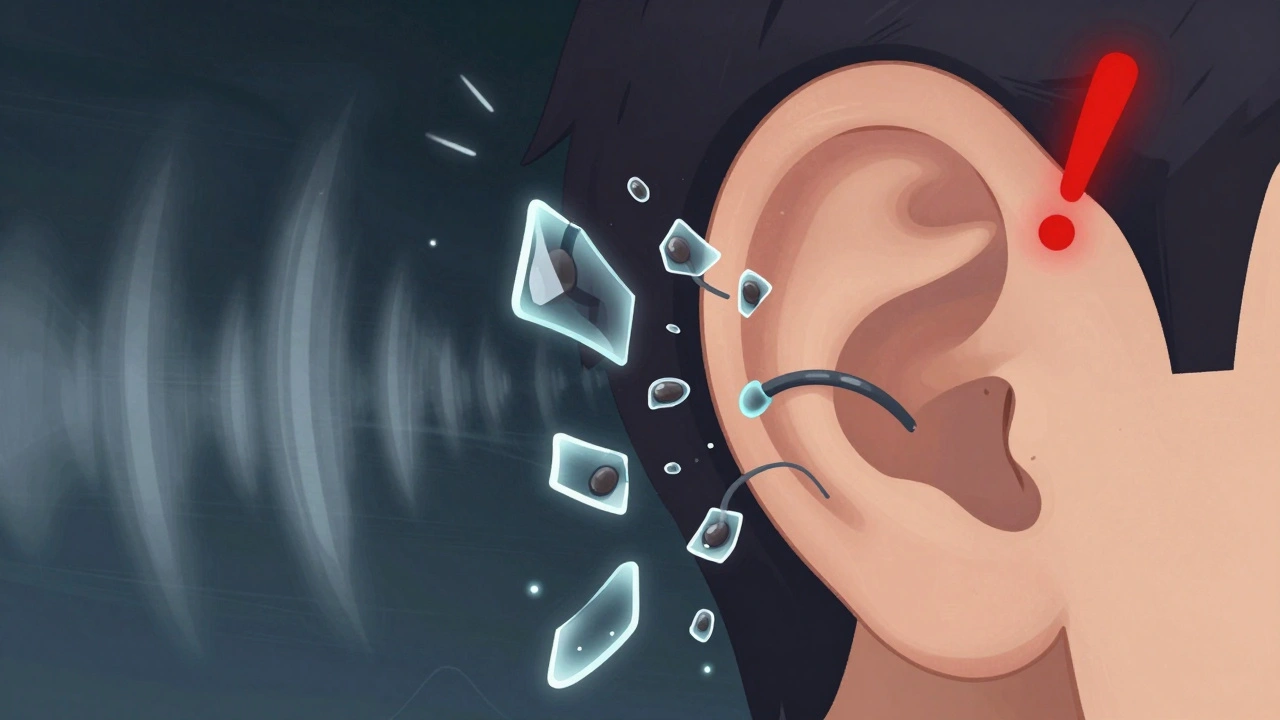
Sensorineural Hearing Loss: Causes, Symptoms, and Permanent Hearing Damage
Sensorineural hearing loss is permanent inner ear damage caused by aging, noise, or disease. Learn the causes, symptoms, and real-world solutions like hearing aids and cochlear implants - and why early action matters.
View MorePopular Posts