Parkinson's Disease: Symptoms, Treatments, and Medication Management
When someone has Parkinson's disease, a progressive nervous system disorder that impairs movement by lowering dopamine levels in the brain. Also known as shaking palsy, it doesn’t just cause tremors—it can slow walking, make speech softer, and even affect mood and sleep. This isn’t just aging. It’s a real, measurable change in how the brain controls motion, and it’s something millions live with every day.
Medications like levodopa, the most effective drug for replacing lost dopamine in the brain are the backbone of treatment. But they don’t work the same for everyone. Some people get relief for years; others notice side effects like sudden movements or nausea. That’s why tracking how your body responds—like keeping a medication journal—isn’t just helpful, it’s necessary. Dopamine, the brain chemical that Parkinson’s slowly drains away isn’t just about movement. It affects motivation, focus, and even how you feel about your day. That’s why depression and fatigue often come with the diagnosis.
And it’s not just pills. Things like exercise, especially balance and strength training can slow decline. Studies show people who walk, swim, or do tai chi regularly hold onto mobility longer. Even small changes—like standing up from a chair without using your hands—make a difference. But drugs and movement don’t fix everything. Many people struggle with swallowing, constipation, or sleep problems. Some of those are side effects of meds, others are part of the disease itself. That’s why understanding how drugs like Parkinson's medication interact with food, other pills, or even supplements matters. Grapefruit can mess with some drugs. Calcium channel blockers might be used for blood pressure, but they can interfere with how your body handles Parkinson’s meds. And if you’re on antidepressants or antibiotics, you need to know what could clash.
You’ll find real stories here—how people manage tremors while working, how they talk to doctors about dosage changes, what works when levodopa stops being enough. There’s advice on tracking side effects, when to ask for a second opinion, and how to avoid dangerous drug combos. This isn’t theory. It’s what people actually deal with when they wake up with stiff muscles, or when they drop their coffee cup because their hand won’t stop shaking. The posts below give you the tools to understand what’s happening, what options exist, and how to take control—even when the disease feels like it’s running the show.
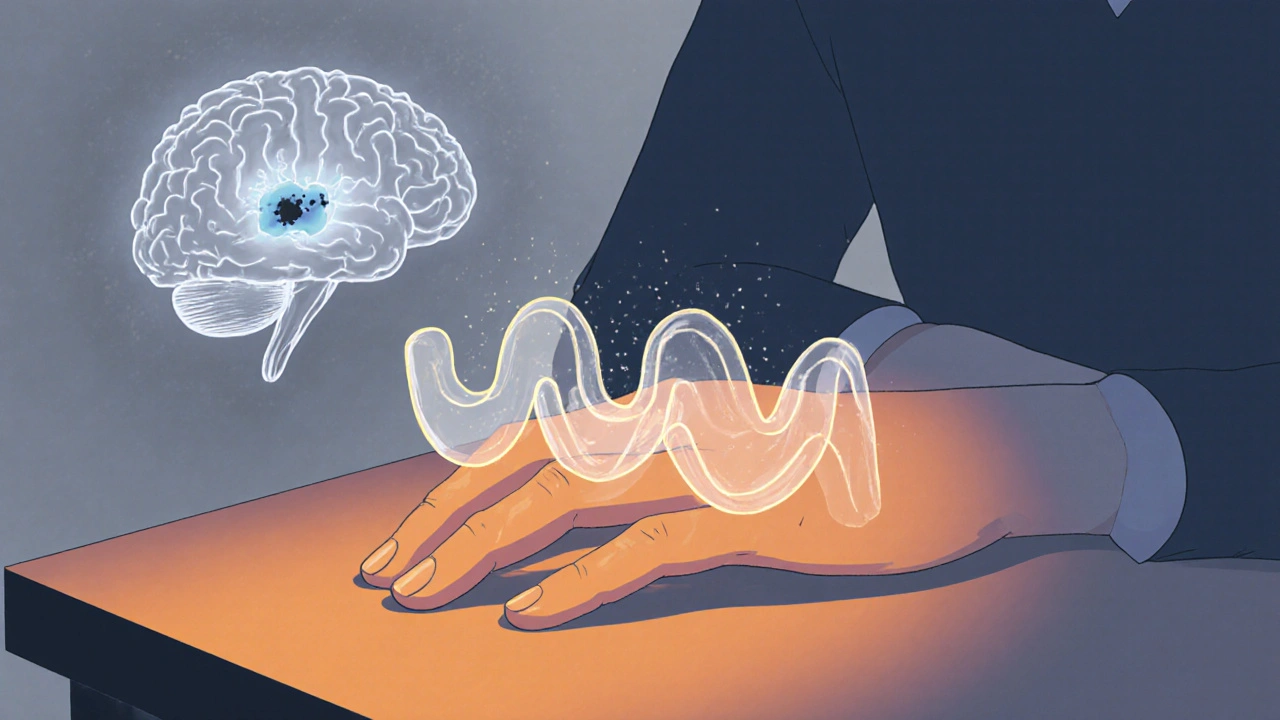
Parkinson’s Disease: Understanding Tremor, Stiffness, and How Dopamine Replacement Works
Parkinson’s disease causes tremor, stiffness, and movement problems due to dopamine loss. Dopamine replacement with levodopa helps symptoms but has long-term side effects. Learn how treatment works and what to expect.
View MorePopular Posts