
Non-Stimulant ADHD Medication: What Works, What to Watch For
When it comes to treating ADHD, non-stimulant ADHD medication, a class of drugs that manage attention and impulse control without activating the central nervous system like stimulants do. Also known as non-stimulant ADHD treatments, these drugs are often chosen when stimulants cause too many side effects, don’t work well, or aren’t safe for people with heart conditions or anxiety. Unlike Adderall or Ritalin, they don’t speed up your brain—they help it stay steady. That makes them a go-to for teens, adults, and even kids who can’t tolerate the jitteriness, sleep loss, or appetite drop that comes with stimulants.
Two main drugs dominate this category: atomoxetine, a selective norepinephrine reuptake inhibitor that boosts focus by increasing brain chemicals tied to attention, and guanfacine, a blood pressure drug repurposed to calm overactive brain signals in ADHD. Clonidine, another blood pressure med, works similarly and is often used for kids with severe impulsivity or sleep issues. These aren’t quick fixes—they take weeks to build up in your system. But when they work, the results are steady: fewer outbursts, better focus, less emotional overload. And unlike stimulants, they don’t crash or cause rebound irritability.
What’s missing from the conversation? Many people assume non-stimulants are weaker. That’s not true—they just move slower. They’re also less likely to be abused, which makes them safer for people with a history of substance use. But they’re not magic. They don’t fix poor sleep, bad routines, or untreated anxiety. They work best when paired with structure: daily planners, clear routines, therapy. And not everyone responds. If you’ve tried one and felt nothing after 8 weeks, it’s not failure—it’s data. Time to try another.
There’s also a hidden layer: drug interactions. If you’re on blood pressure meds, antidepressants, or even common OTC cold pills, non-stimulants can react in ways your doctor might not warn you about. That’s why keeping a medication journal matters. Track your mood, sleep, energy, and focus daily. Small changes add up. And if you’re switching from stimulants, don’t quit cold turkey. Tapering matters.
Below, you’ll find real-world insights from people who’ve been there—how atomoxetine affected their work life, why guanfacine helped their child sleep through the night, what clonidine does (and doesn’t) fix for PTSD-related ADHD, and how to spot when a generic version isn’t working like the brand. These aren’t theory pieces. They’re stories from people managing ADHD without the buzz, the crash, or the stigma.
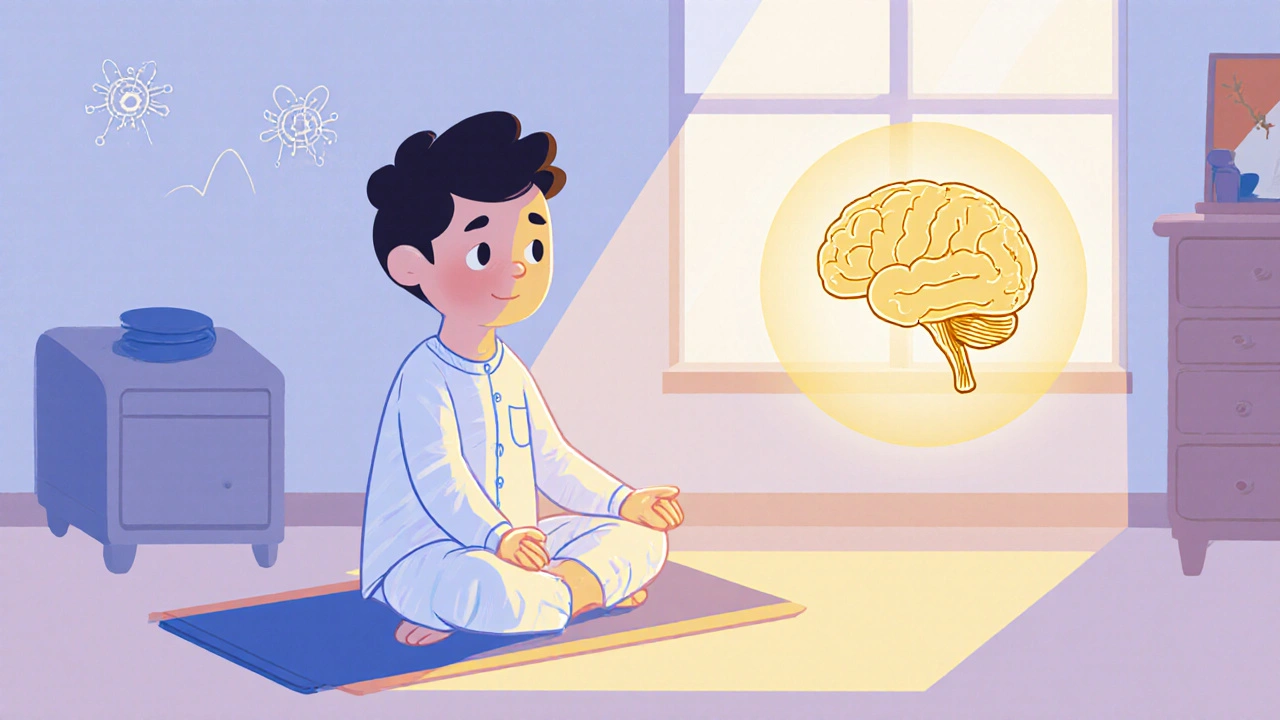
Atomoxetine and Yoga: How Combining Medication and Mindfulness Can Improve ADHD Focus
Atomoxetine and yoga work together to improve ADHD focus-atomoxetine stabilizes brain chemistry, while yoga trains attention and reduces mental clutter. Learn how combining both can lead to lasting results.
View MorePopular Posts




How Exercise Improves ADHD Symptoms
1 Oct 2025