
Inner Ear Damage: Causes, Symptoms, and How Medications Can Affect Your Hearing
When your inner ear damage, happens when the delicate hair cells or nerves in the cochlea or vestibular system are harmed, leading to hearing loss, dizziness, or ringing in the ears. Also known as sensorineural hearing loss, it doesn’t heal on its own—and once those cells are gone, they’re gone for good. This isn’t just about getting older. It’s about what you’re taking, what you’re exposed to, and whether you know the early signs.
One of the biggest hidden causes? ototoxicity, when certain medications poison the inner ear. This includes common drugs like high-dose aspirin, some antibiotics like gentamicin, and even chemo agents like cisplatin. These aren’t rare outliers—they’re prescribed daily. And while your doctor might warn you about stomach upset or drowsiness, few mention that your hearing could be at risk. tinnitus, a persistent ringing, buzzing, or hissing in the ears, is often the first red flag. It doesn’t always mean permanent damage, but it’s your body screaming for attention. If you’re on multiple meds, especially for chronic conditions, you’re stacking risk. That’s why medication side effects, especially those affecting balance or hearing need to be tracked like blood pressure or liver enzymes.
It’s not just drugs. Loud music, factory noise, even prolonged headphone use can do the same damage over time. But unlike noise, drug-related inner ear damage can be stopped—if you catch it early. That’s why knowing your meds matters. A simple pill log, like the ones we cover in our guides on medication tracking, can help you spot patterns: Did the ringing start after you began a new antibiotic? Did your balance feel off after your last chemo cycle? These aren’t coincidences. They’re signals.
You don’t need to be an expert to protect yourself. You just need to know what to watch for. The posts below give you real-world examples: which antibiotics carry the highest risk, how to read your prescription labels for hidden dangers, what to ask your pharmacist when switching meds, and how even "natural" supplements can quietly harm your hearing. This isn’t theory. It’s what’s happening to people right now—people who didn’t know they were at risk until it was too late. The good news? You can still act. Before the damage becomes permanent, before the silence sets in, before the dizziness turns into a daily battle. Start here.
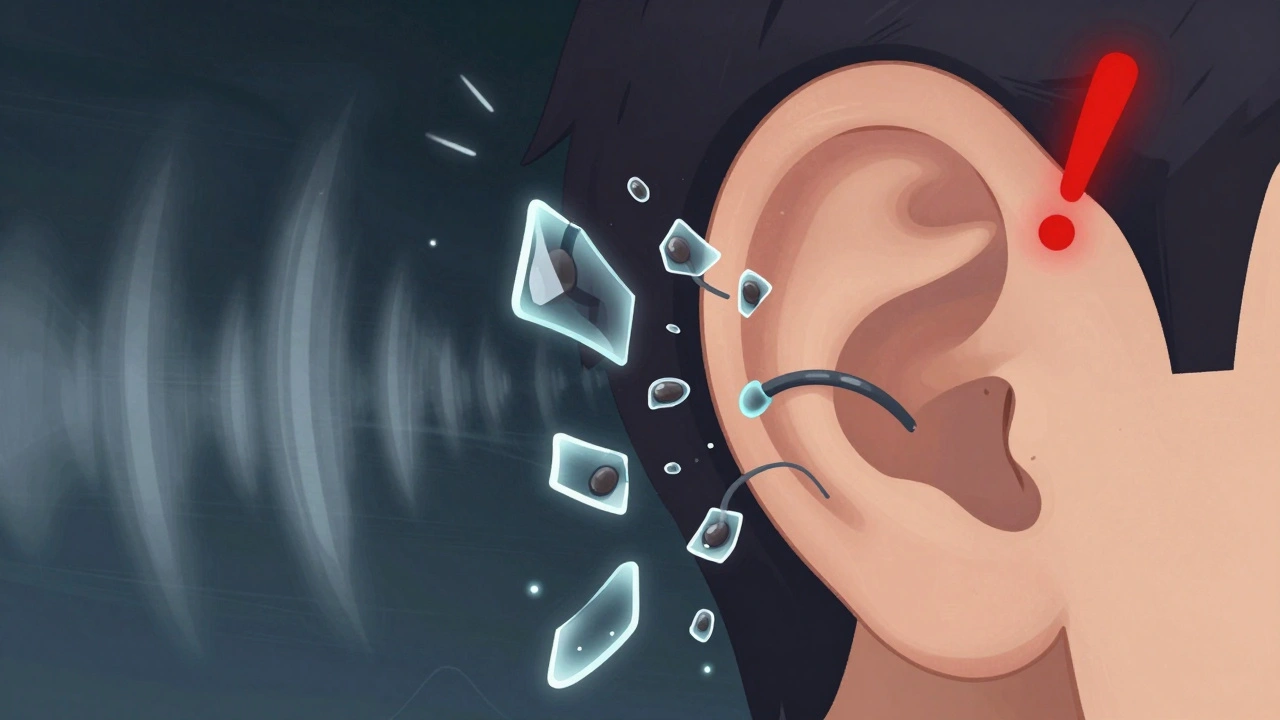
Sensorineural Hearing Loss: Causes, Symptoms, and Permanent Hearing Damage
Sensorineural hearing loss is permanent inner ear damage caused by aging, noise, or disease. Learn the causes, symptoms, and real-world solutions like hearing aids and cochlear implants - and why early action matters.
View MorePopular Posts




Top Alternatives to North Drugstore in 2025
18 Mar 2025