Borg RPE Scale: How to Measure Exercise Effort Like a Pro
When you push yourself during a workout, how do you know if you're going hard enough—or too hard? The Borg RPE scale, a simple tool that lets you rate how hard you feel you're working during physical activity. Also known as the Rating of Perceived Exertion, it’s used by trainers, rehab therapists, and people managing chronic conditions to match effort to goals without fancy gear. Unlike heart rate monitors or oxygen trackers, the Borg RPE scale works anywhere, anytime. You don’t need a device. You just need to listen to your body.
It’s not magic—it’s math with a human touch. The original Borg scale runs from 6 to 20, where 6 means "no exertion at all" and 20 means "maximal exertion." But there’s also a simpler 0-to-10 version that’s easier to remember. A 0 is sitting still. A 5 is a brisk walk where you can talk but not sing. A 7 feels like you’re pushing hard—you can only say a few words at a time. A 9 is gasping, and 10 is all-out sprinting until you collapse. These numbers line up with real physiological responses: a 13 on the 6-20 scale roughly matches 70% of your max heart rate. That’s why doctors use it to guide cardiac rehab, and athletes use it to pace intervals without a watch.
The real power of the Borg RPE scale is in its flexibility. It works whether you’re lifting weights, cycling uphill, doing physical therapy after surgery, or just walking to lose weight. It’s especially useful for people on medications that affect heart rate—like beta blockers—because their pulse might not reflect how hard they’re actually working. If you’ve ever felt confused about whether your workout was "good enough," the RPE scale gives you a clear, personal metric. No guessing. No apps. Just you and how your body feels.
It’s not just for elite athletes. People with heart disease, COPD, or diabetes use it daily to stay active safely. Physical therapists use it to adjust rehab programs without risking injury. Even gym newbies find it helps them stop comparing themselves to others and focus on their own progress. The scale turns subjective effort into actionable data.
Below, you’ll find real-world guides on how exercise interacts with medications, how to track your body’s response to treatment, and how to avoid dangerous combos that make side effects worse. Whether you’re managing high blood pressure, recovering from illness, or just trying to stay consistent, the Borg RPE scale helps you work smarter—not harder. These posts don’t just tell you what to do—they show you how to listen to your body while staying safe with your meds.
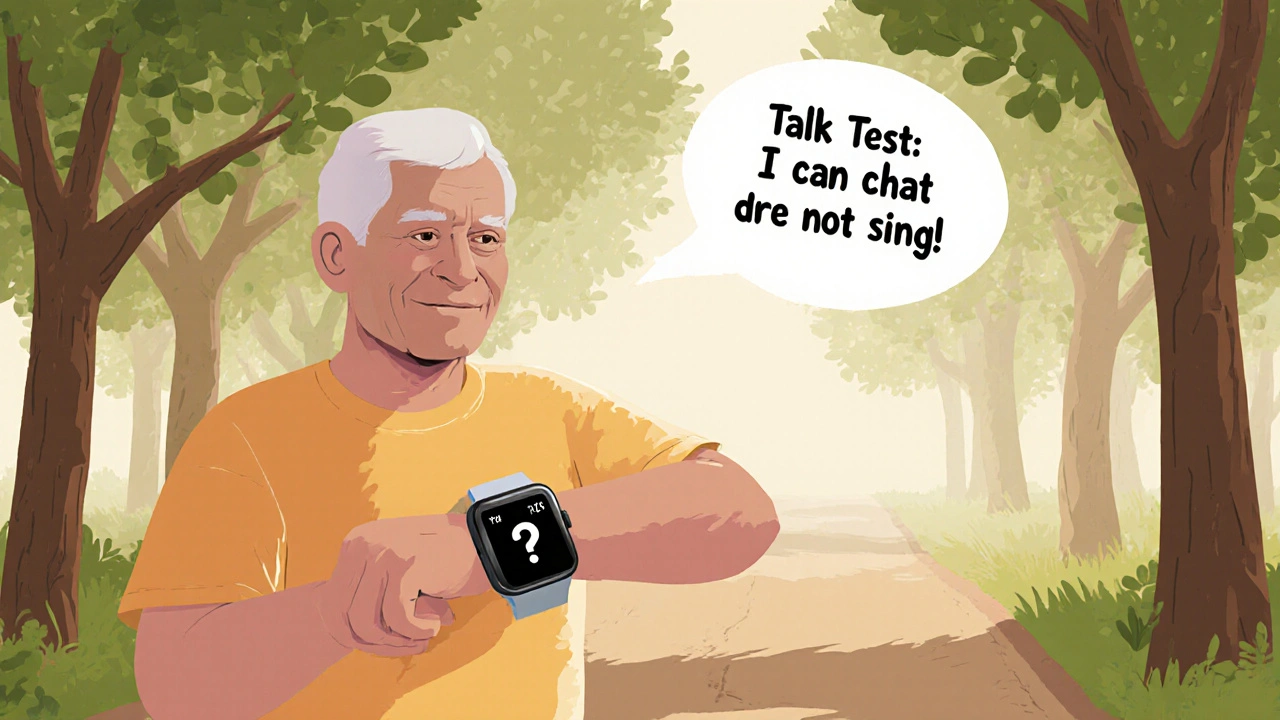
Exercise Modifications for Fatigue on Beta-Blockers and Other Drugs
Learn how to exercise safely and effectively while taking beta-blockers. Discover practical modifications like the talk test, Borg RPE scale, and adjusted workout routines to manage fatigue without giving up fitness.
View MorePopular Posts