Antisynthetase Syndrome: Symptoms, Causes, and Treatment Options
When your immune system turns on your own body, it can trigger something called antisynthetase syndrome, a rare autoimmune disease that attacks muscle tissue and lungs, often linked to specific antibodies like Jo-1. Also known as anti-synthetase syndrome, it’s not just one condition—it’s a cluster of symptoms that include muscle inflammation, lung scarring, and painful joints. This isn’t common, but for those who have it, the impact is real and lasting.
At the heart of antisynthetase syndrome is a group of enzymes called aminoacyl-tRNA synthetases. When your body makes antibodies against one of these—most often the Jo-1 antibody, a marker that identifies a specific subtype of antisynthetase syndrome tied to muscle and lung damage—it sets off a chain reaction. This leads to autoimmune myositis, inflammation of the muscles that causes weakness, especially in the shoulders and thighs, and interstitial lung disease, scarring in the lungs that makes breathing harder over time. Many people also get mechanic’s hands—cracked, rough skin on the fingers—and fever or arthritis. These aren’t random side effects; they’re the signature signs doctors look for.
What makes this syndrome tricky is that it doesn’t show up on a single test. Diagnosis needs a mix of blood work for antibodies, lung scans, muscle biopsies, and physical exams. Treatment isn’t one-size-fits-all. Most people start with steroids like prednisone to calm the immune system, but long-term use brings its own risks. That’s why many end up on immunosuppressants like azathioprine or mycophenolate. Some respond to IVIG or rituximab. The goal isn’t just to reduce symptoms—it’s to stop lung and muscle damage before it becomes permanent.
You’ll find posts here that dig into how antisynthetase syndrome overlaps with other autoimmune conditions, what blood markers matter most, and how lung function tests help track progress. There’s also practical advice on managing fatigue, dealing with medication side effects, and when to push for specialist care. Whether you’re newly diagnosed, caring for someone with this condition, or just trying to understand why muscle weakness and breathing trouble show up together, this collection gives you the facts—not the fluff.
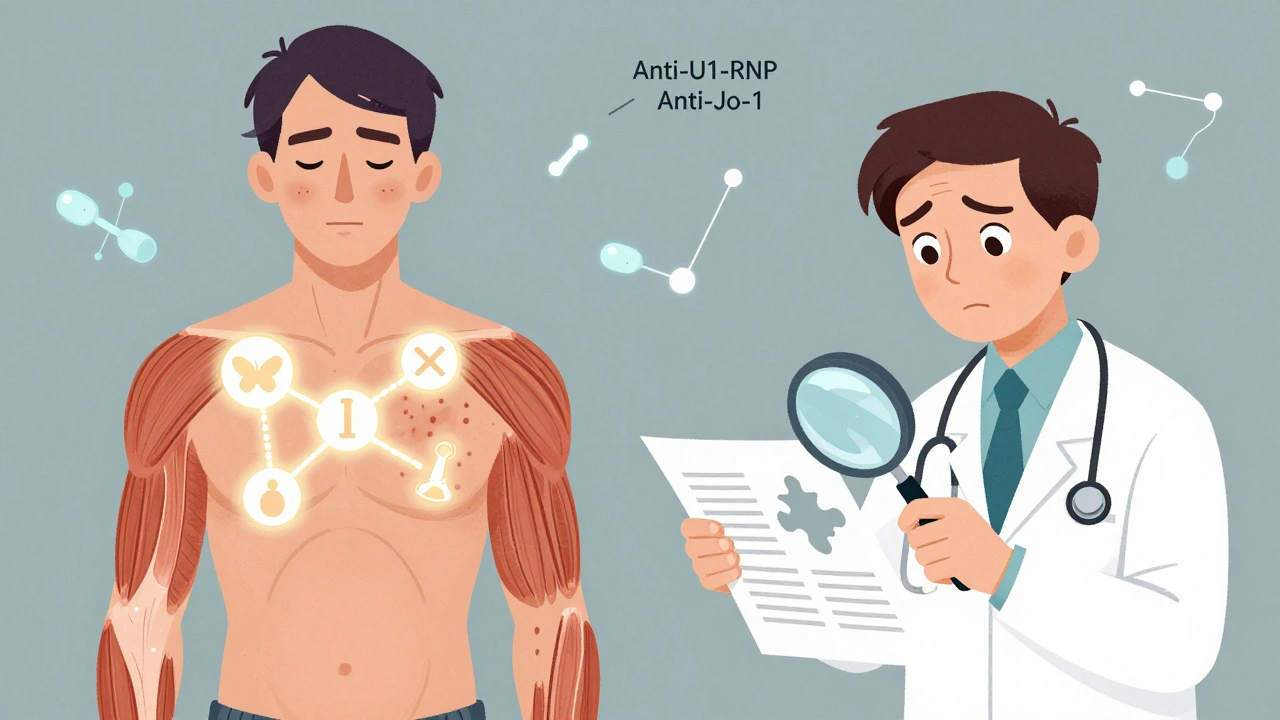
Autoimmune Overlap Syndromes: Recognizing Mixed Features and Coordinating Care
Autoimmune overlap syndromes occur when patients show features of multiple autoimmune diseases at once, like lupus, scleroderma, and myositis. Diagnosis is challenging, but specific antibodies and coordinated care can improve outcomes.
View More