Therapeutic Drug Monitoring: Track Medication Levels to Stay Safe and Effective
When you take certain medications, it’s not just about how much you swallow—it’s about how much actually stays in your blood at the right level. That’s where therapeutic drug monitoring, the process of measuring drug concentrations in the blood to ensure they’re in the safe and effective range. Also known as TDM, it’s a critical tool for drugs where the difference between helping and harming is tiny. Think of it like driving a car with no fuel gauge—you might make it to the gas station, or you might stall in the middle of the highway. For some meds, there’s no room for guesswork.
Drugs like warfarin, a blood thinner used to prevent clots, or lithium, a mood stabilizer for bipolar disorder, need this kind of precision. Too little and the drug doesn’t work. Too much and you risk serious side effects—bleeding, kidney damage, even seizures. That’s why doctors order blood tests to check levels, especially when starting a new dose, switching brands, or if you’re taking other meds that interfere. It’s not just for hospital patients—many people on long-term treatment rely on this to stay healthy at home.
Therapeutic drug monitoring isn’t just about avoiding poison. It’s also about making sure you get the full benefit. For example, antibiotics like vancomycin, used for tough bacterial infections, must reach a certain concentration in your blood to kill the bacteria without wrecking your kidneys. Same goes for anti-seizure drugs like phenytoin or antidepressants like amitriptyline. If your body processes the drug faster or slower than average—due to age, liver issues, or genetics—your dose might need adjusting. That’s where monitoring turns guesswork into science.
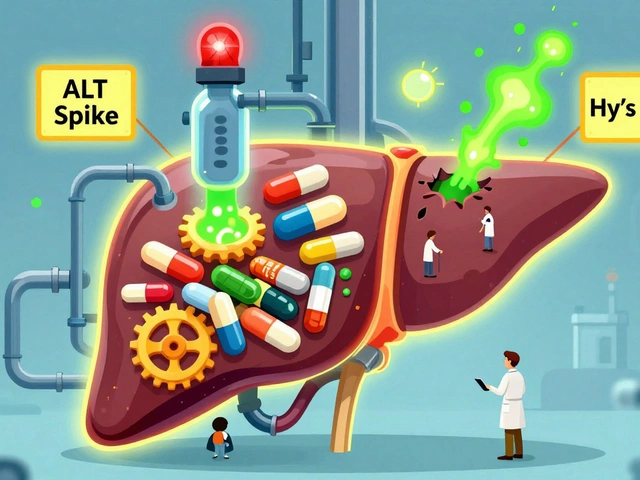
You’ll often see this used with drugs that have a narrow therapeutic index. That’s just a fancy way of saying the safe range is super tight. A small change in dose can mean the difference between control and crisis. That’s why switching generic brands of thyroid meds or heart drugs can trigger a need for retesting—something covered in posts about levothyroxine and cardiovascular generics. And if you’re on multiple drugs, like antibiotics plus painkillers, the risk of interactions goes up. That’s why drug-induced liver injury and QT prolongation are often checked alongside TDM—it’s all connected.
Tracking your medication levels isn’t about distrust. It’s about control. Whether you’re managing epilepsy, depression, heart disease, or an infection, knowing exactly what’s in your system gives you and your doctor a real edge. You’ll find posts here that show how to spot early signs of toxicity, when to ask for a blood test, and how to avoid common mistakes that throw your levels off—like skipping doses, drinking grapefruit juice, or mixing supplements. This isn’t theory. It’s real-world safety. Below, you’ll see how others have used monitoring to avoid hospital visits, fix stubborn side effects, and finally feel stable on their meds.
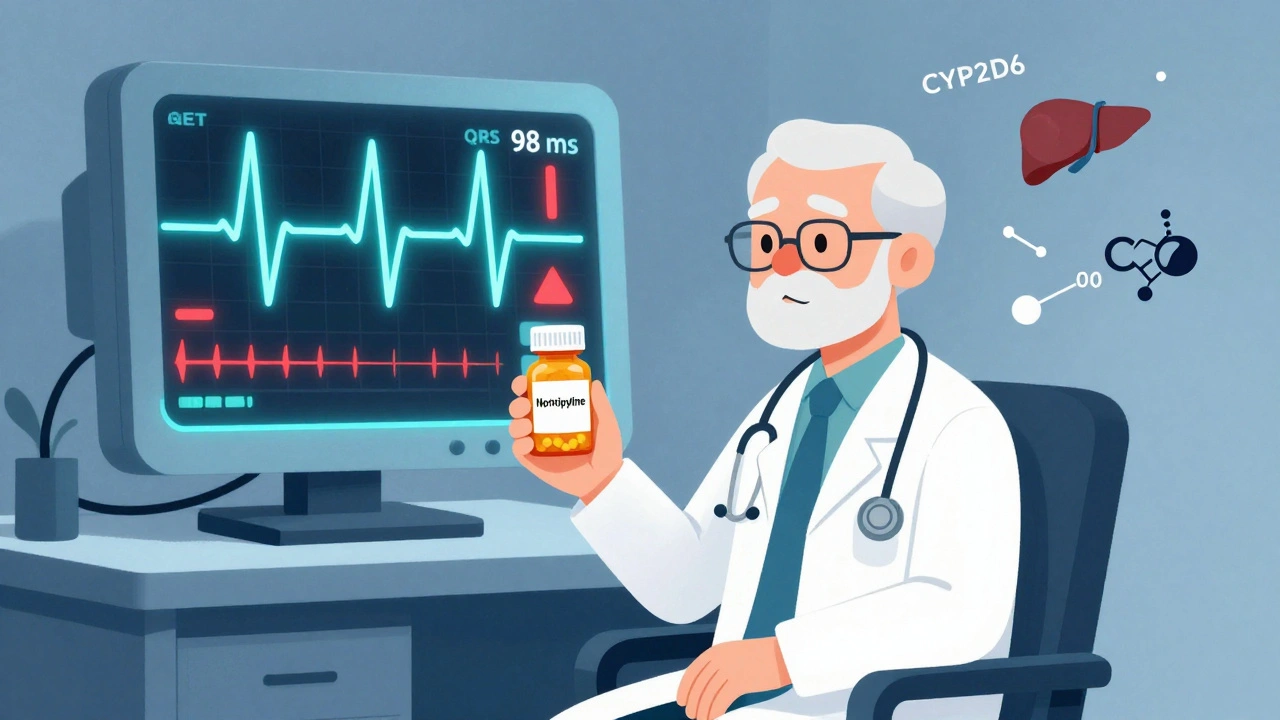
Therapeutic Drug Monitoring for Tricyclic Antidepressants: How to Prevent Deadly Toxicity
Therapeutic drug monitoring for tricyclic antidepressants prevents deadly toxicity by tracking blood levels, identifying dangerous interactions, and adjusting doses before heart or brain damage occurs. Essential for elderly patients and those on multiple medications.
View More