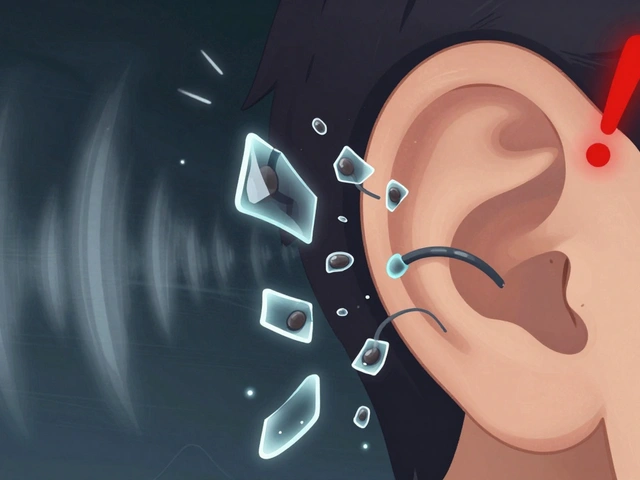
SSRIs Side Effects: What You Need to Know About Bleeding, Nausea, and More
When you take a SSRI, a class of antidepressants that increase serotonin levels in the brain to improve mood. Also known as selective serotonin reuptake inhibitors, these drugs are among the most prescribed mental health treatments worldwide. But for all their benefits, they don’t come without trade-offs. Many people feel better emotionally—but physically, they might start noticing things they didn’t expect: more bruising, nosebleeds, upset stomach, or even trouble sleeping. These aren’t rare accidents. They’re documented side effects, and you deserve to know them before you start—or while you’re already on one.
One of the most serious but least talked-about risks is bleeding risk, a condition where SSRIs reduce serotonin in platelets, making blood less able to clot. It’s not just about cuts. Think nosebleeds that won’t stop, heavy periods, or even internal bleeding after minor injuries. Paroxetine carries the highest risk; sertraline is generally safer. If you’re also on blood thinners like warfarin or even daily aspirin, this risk multiplies. Another big one is serotonin, the brain chemical SSRIs target to lift mood. Too much of it, especially when mixed with other meds, can trigger serotonin syndrome—a rare but life-threatening surge of symptoms like confusion, rapid heartbeat, and muscle rigidity. And then there’s the everyday stuff: nausea in the first few weeks, weight gain, lowered sex drive, and insomnia. These aren’t just "side effects"—they’re signals your body is adjusting, and sometimes, they mean you need to switch meds.
You’re not alone if you’ve felt confused or dismissed when bringing up these issues. Doctors focus on mood improvement, but your physical experience matters just as much. The posts below cover real cases: how SSRIs interact with other drugs, why some people bleed more easily, what alternatives exist, and how to track your own response. You’ll find guides on talking to your doctor without fear, spotting hidden dangers like drug combos, and understanding why generic switches can change how you feel. This isn’t about scaring you off SSRIs. It’s about giving you the facts so you can use them wisely—and safely.
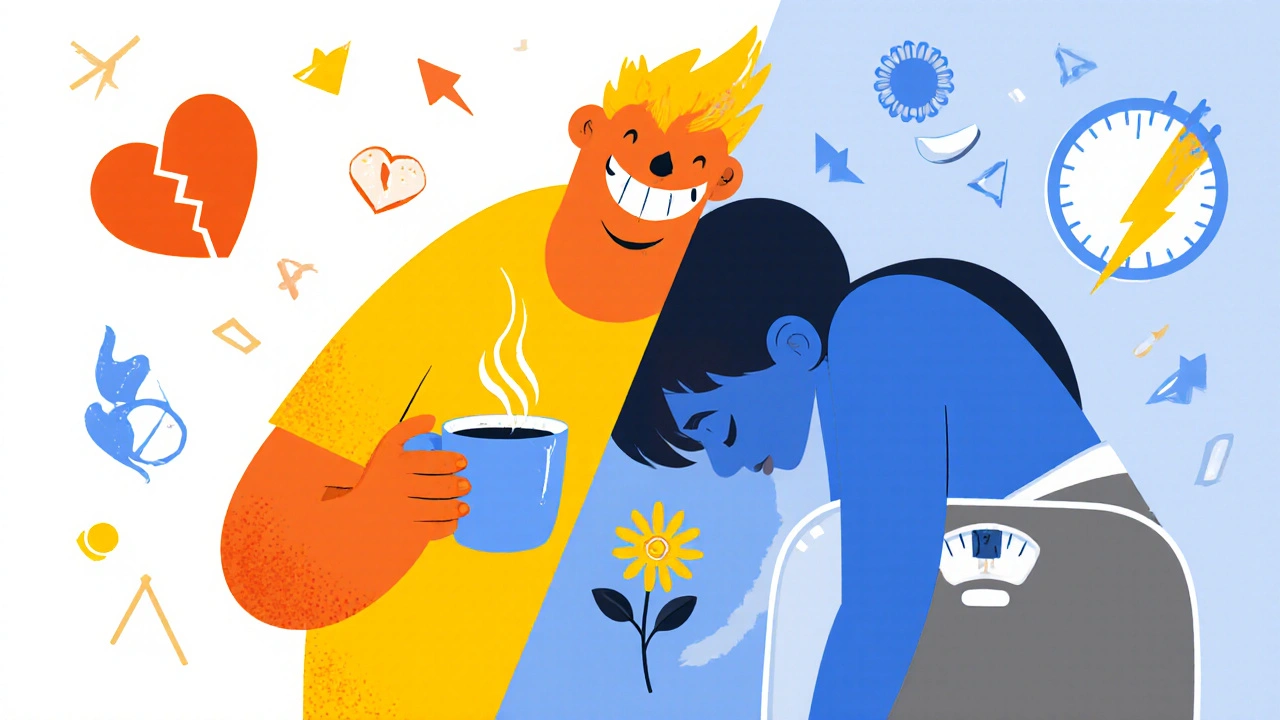
Bupropion vs SSRIs: Side Effects Compared for Real-World Use
Bupropion and SSRIs work similarly for depression, but their side effects are very different. Bupropion is less likely to cause weight gain or sexual problems but can trigger anxiety or seizures. SSRIs help anxiety but often reduce libido and cause weight gain.
View More