Antibiotic Diarrhea: What It Is, Why It Happens, and How to Handle It
When you take an antibiotic diarrhea, a digestive side effect caused by antibiotics disrupting the natural balance of gut bacteria. Also known as antibiotic-associated diarrhea, it’s not just a mild upset stomach—it’s a sign your gut microbiome is under siege. This isn’t rare. About 1 in 5 people who take antibiotics end up with loose stools, and for some, it turns into something much worse.
At the heart of this problem is the gut microbiome, the trillions of bacteria living in your intestines that help digest food, train your immune system, and keep harmful bugs in check. Antibiotics don’t pick and choose. They wipe out both the bad bacteria causing your infection and the good ones keeping things balanced. When that happens, opportunistic bugs like C. diff, a dangerous bacterium that can overgrow when normal gut flora are destroyed. Also known as Clostridioides difficile, it causes severe diarrhea, fever, and even life-threatening colon damage. takes over. You might think, "I just had a bad reaction," but if your diarrhea starts after starting antibiotics—especially if it’s watery, frequent, or lasts more than two days—you’re not imagining it. It’s a known side effect, and it needs attention.
What makes antibiotic diarrhea tricky is that people often treat it the wrong way. Taking anti-diarrhea pills like loperamide might feel like quick relief, but it can trap the bad bacteria inside you. Instead, the real fix is restoring balance. That’s where probiotics, live beneficial bacteria that can help repopulate the gut after antibiotic use. Also known as good bacteria supplements, they’re not magic—but strains like Saccharomyces boulardii and Lactobacillus rhamnosus have shown real results in studies tracking patients who took them alongside antibiotics. come in. Not all probiotics are equal, and not every brand works. But for people who’ve had antibiotic diarrhea before, taking one during and after treatment cuts the risk by nearly half.
And it’s not just about what you take—it’s about what you avoid. Sugary foods, processed snacks, and even too much fruit juice can feed the bad bacteria and make things worse. Simple, whole foods—oats, bananas, plain yogurt, cooked vegetables—give your gut a chance to heal. Hydration matters too. Diarrhea drains electrolytes. Water alone won’t cut it. A pinch of salt and a splash of orange juice in your water? That’s a cheap, effective fix.
Some antibiotics are worse than others. Clindamycin, amoxicillin, and cephalosporins like Keflex are the usual suspects. If you’ve had antibiotic diarrhea before, tell your doctor before the next prescription. They might choose a different drug, shorten the course, or recommend a probiotic upfront. You don’t have to just suffer through it.
What you’ll find in the posts below aren’t just generic tips. They’re real stories from people who’ve been there—how they tracked their symptoms, what actually helped their gut recover, which probiotics worked, and when they knew it was time to go back to the doctor. You’ll also see how antibiotic side effects connect to broader issues like drug contamination, generic medication safety, and how even heart meds and thyroid drugs can interact with your digestive system. This isn’t just about diarrhea. It’s about taking control of your health after antibiotics, knowing what to watch for, and making smarter choices so it doesn’t happen again.
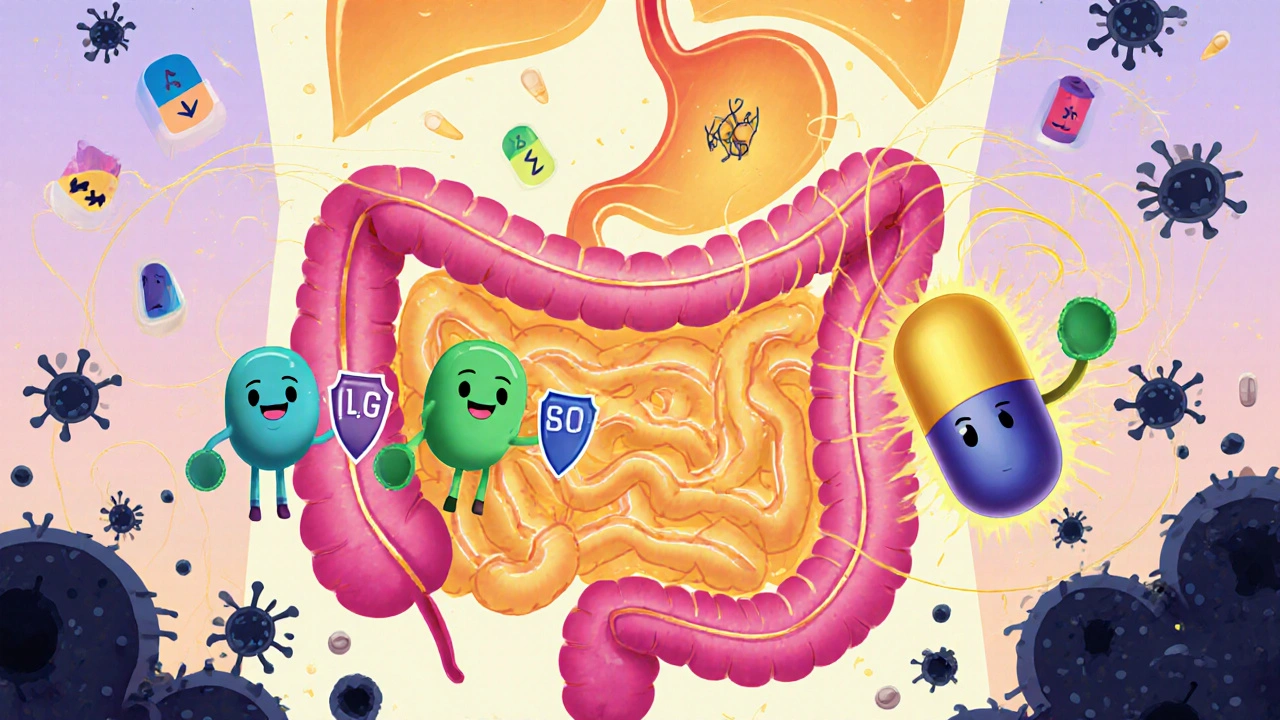
Probiotics During Antibiotic Therapy: How to Reduce GI Side Effects
Probiotics can reduce antibiotic-related diarrhea by up to 70% when taken correctly. Learn which strains work, how to time them, and what to avoid for safer gut health during antibiotic treatment.
View MorePopular Posts



How Pets Help People Recover from Illness
6 Oct 2025